




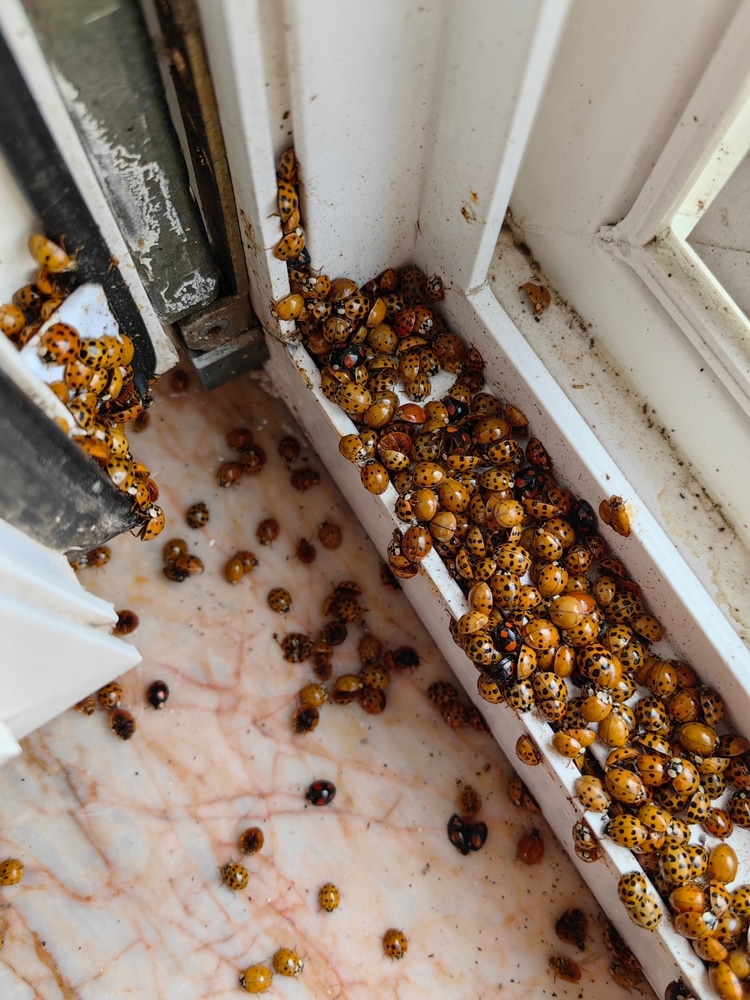
As fall arrives in North Carolina and South Carolina, homeowners may begin noticing clusters of small, colorful beetles gathering on the outside of their homes. These insects are often mistaken for ordinary ladybugs, but they may actually be Asian lady beetles.
Although Asian lady beetles can benefit gardens and landscapes by feeding on other insects, they can become a nuisance when large numbers gather on buildings and enter homes in search of a place to spend the winter.
Here is what you need to know about Asian lady beetles.
1. How Can You Identify Asian Lady Beetles?
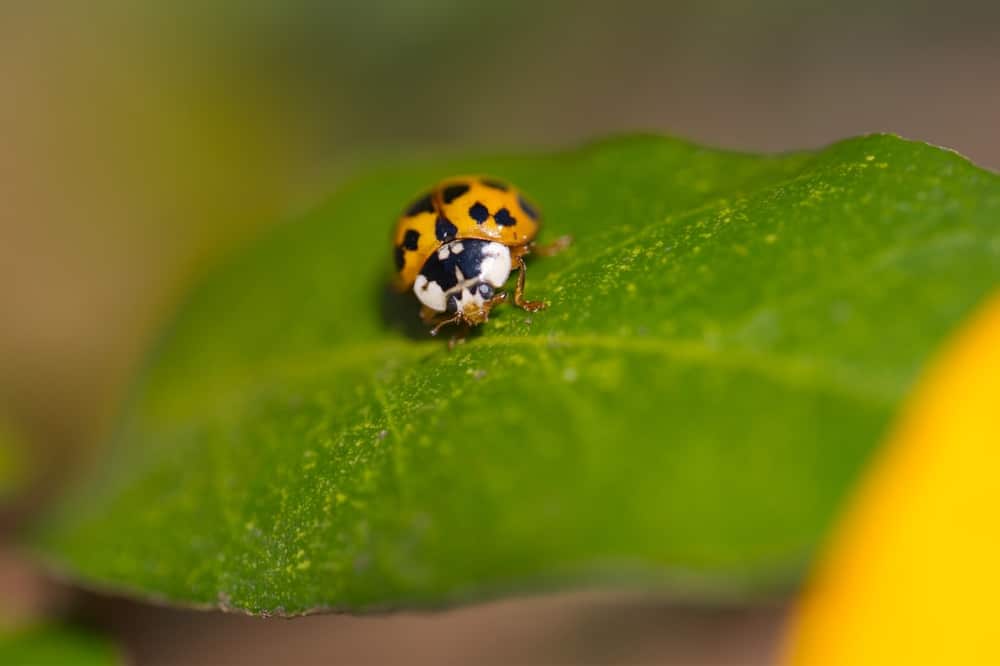
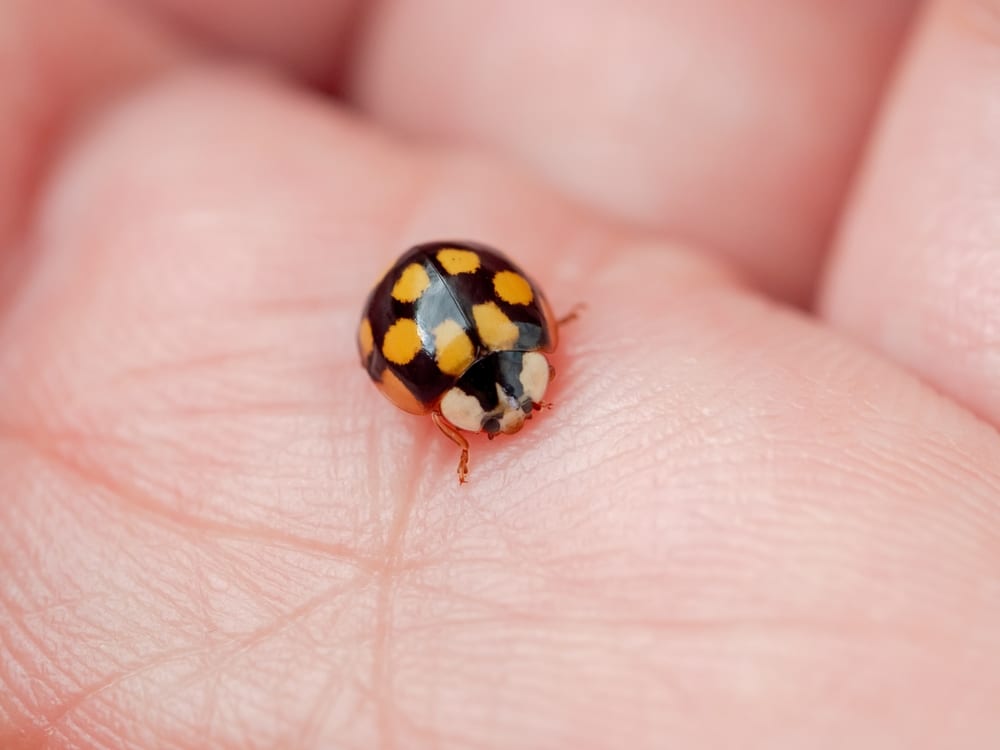
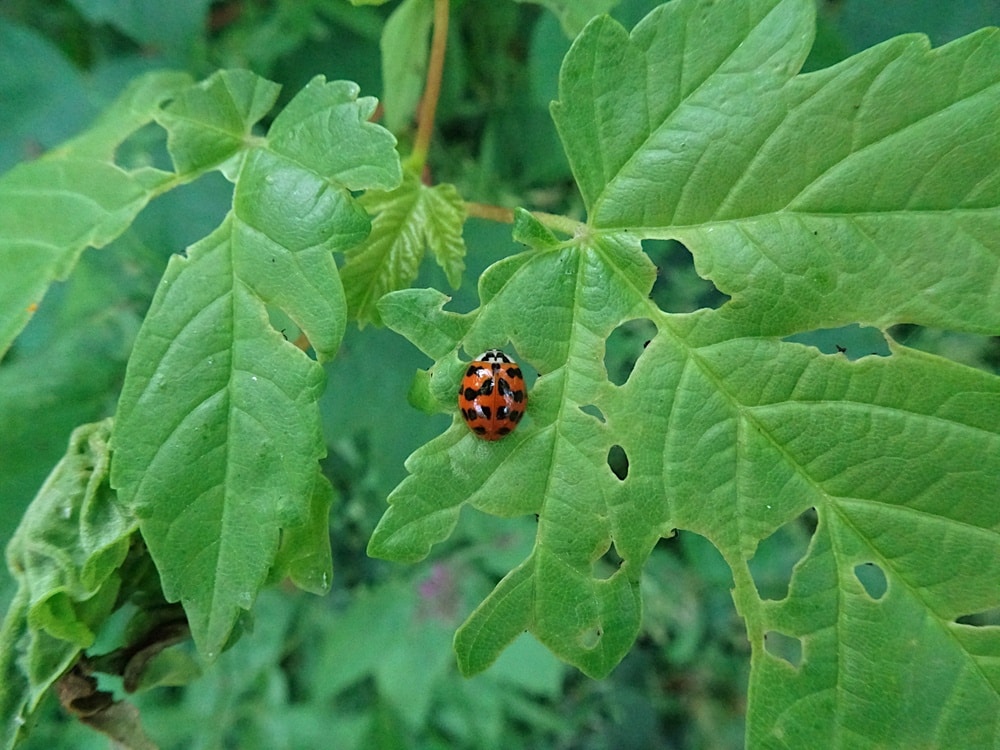
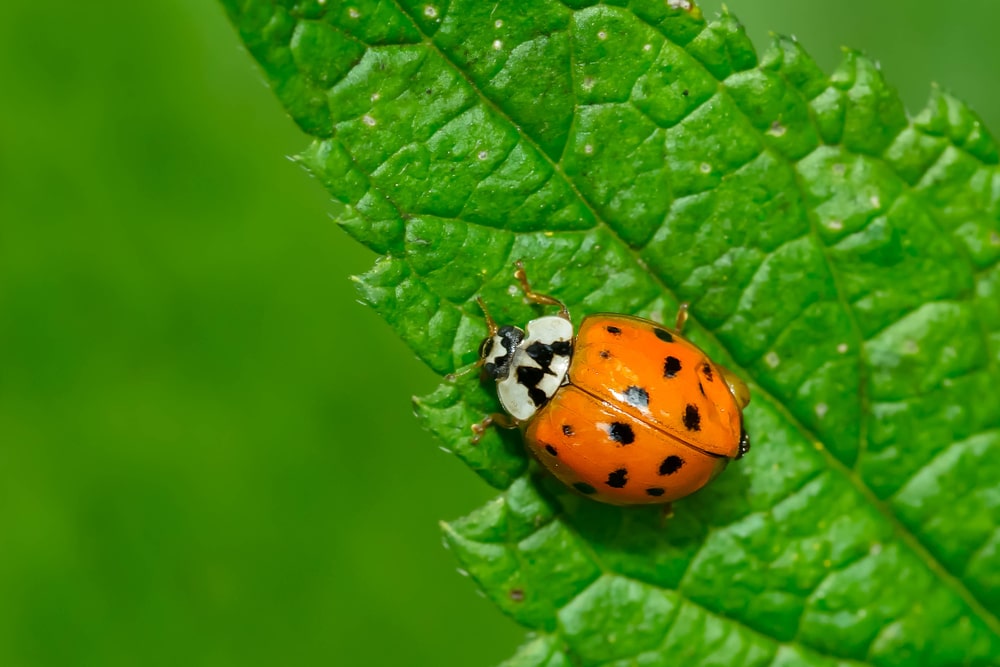
Asian lady beetles can vary considerably in appearance, making them difficult to identify by color alone. They may be yellow, orange, reddish-orange, or red, and some have numerous black spots while others have only a few or none at all.
One of the most recognizable identification features is the light-colored area directly behind the head. This area often has a dark marking resembling the letter M or W, depending on the viewing direction.
Asian lady beetles typically measure about a quarter of an inch long and have a rounded, dome-shaped body similar to other familiar lady beetles.
Their tendency to gather in large numbers on buildings during the fall is another clue that can help homeowners recognize them.
2. What Is the Difference Between Asian Lady Beetles and Ladybugs?
Asian lady beetles are not a completely separate type of insect from ladybugs. They belong to the same family of beetles, commonly known as lady beetles or ladybugs. The multicolored Asian lady beetle is a particular species within this group.
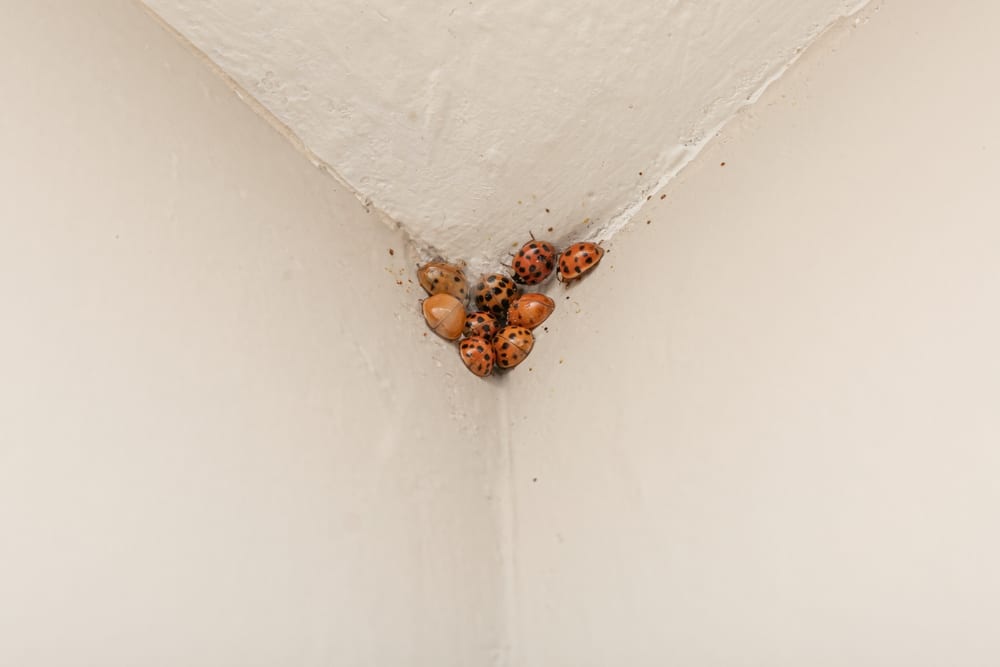
The main difference homeowners tend to notice is their behavior. Asian lady beetles can gather in large numbers on the exterior walls of buildings during the fall, then find their way indoors through small gaps and openings.
Unlike the familiar image of a single ladybug resting on a plant, a group of Asian lady beetles congregating around windows, doors, or siding can quickly become a household nuisance.
3. Why Do Asian Lady Beetles Invade Homes in the Fall?
Asian lady beetles seek protected locations where they can spend the winter. As temperatures begin to drop, adult beetles look for sheltered places to escape the cold.
Homes and other buildings can provide suitable overwintering sites. The beetles often gather on sunny exterior walls, particularly those facing south or west, where they can benefit from the warmth.
From there, they may enter through small gaps around windows, doors, siding, rooflines, and utility openings. Once indoors, they may congregate around windows, ceilings, and other areas of the home.
Asian lady beetles generally enter buildings to seek shelter rather than to feed on household materials. However, large numbers inside a home can still create an unpleasant and persistent nuisance.
4. How Can You Keep Asian Lady Beetles Out of Your Home?
Prevention is one of the most effective ways to reduce problems with Asian lady beetles. Before beetles begin congregating on buildings in the fall, inspect your home’s exterior and seal potential entry points.
Consider these preventive steps:
- Seal cracks and gaps: Check around windows, doors, siding, rooflines, and utility penetrations for openings that insects could use to enter.
- Repair screens: Replace damaged window screens and repair gaps around screen frames.
- Check weatherstripping: Make sure weatherstripping around exterior doors and windows fits properly.
- Inspect the exterior: Pay particular attention to areas where different building materials meet, since these locations can develop gaps over time.
Try a Light-Leak Test
A simple way to identify potential gaps around your home is to look for places where indoor light escapes through the building envelope.
After dark, close your doors and windows, turn on the interior lights, and switch off exterior lights where practical. Walk around the outside of your home and look for light shining through gaps around doors, windows, siding, and utility openings.
Visible light can help reveal areas that may need attention. Not every gap will be visible using this method, but it can be a useful addition to a regular home inspection.
If Asian lady beetles have already entered your home, a vacuum is often a convenient way to remove them without crushing them.
Why Should You Avoid Crushing Asian Lady Beetles?
When disturbed or crushed, Asian lady beetles can release a yellowish defensive fluid with an unpleasant odor. This fluid may also stain walls, fabrics, and other surfaces.
Rather than swatting individual beetles, use a vacuum or another suitable removal method. Preventing them from entering in the first place is generally easier than dealing with a large indoor congregation.
5. Can Asian Lady Beetles Bite?
Asian lady beetles can occasionally pinch or nip exposed skin. They do not seek out people for blood meals, but contact with the insects can sometimes result in a minor, uncomfortable sensation.
For most people, these encounters are more of a nuisance than a serious concern. However, large numbers of beetles indoors can increase the likelihood of unwanted contact.
Avoid handling large groups of beetles unnecessarily, and use a suitable removal method if they begin gathering inside your home.
6. Are Asian Lady Beetles Harmful?
Asian lady beetles are generally considered nuisance pests when they enter homes. They do not typically damage the structural components of a house, but their presence can create several problems.
Common concerns include:
- Indoor infestations: Large numbers of beetles may gather around windows, walls, and ceilings.
- Unpleasant odors and staining: Their defensive fluid can produce an unpleasant smell and leave yellowish marks on surfaces.
- Occasional skin irritation: Beetles may nip exposed skin when handled or disturbed.
- Allergic reactions: Some people may experience allergic reactions to Asian lady beetles, and exposure may aggravate asthma in sensitive individuals.
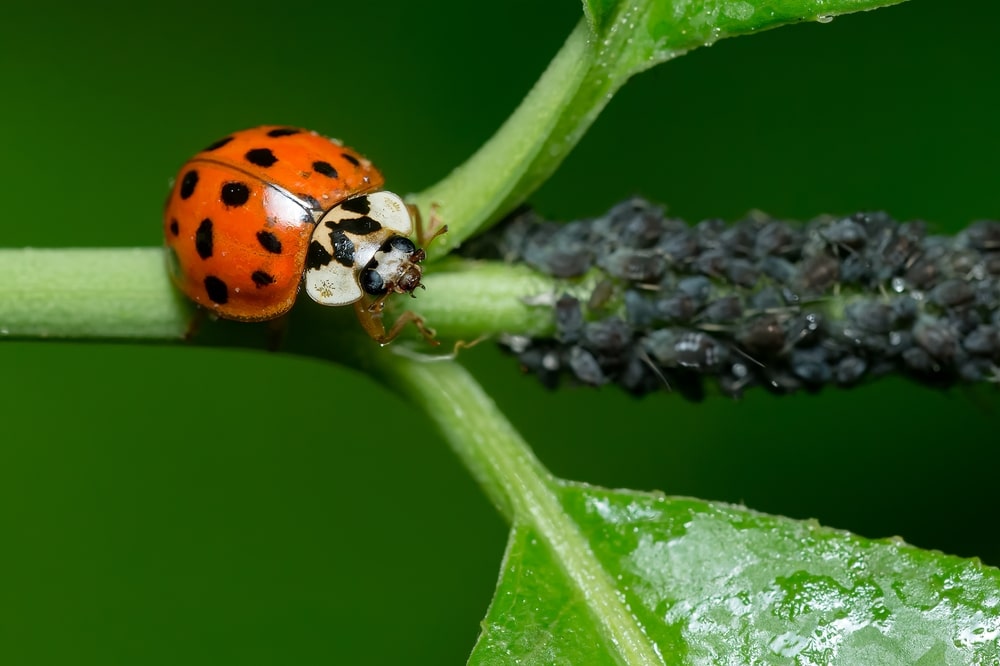
Despite these drawbacks, Asian lady beetles can be beneficial outdoors. Both adults and larvae feed on aphids and other small insects that damage plants, including certain scale insects and mites.
For that reason, they are not necessarily insects that need to be eliminated wherever they are found. The goal is to prevent large numbers from entering your home while allowing beneficial insects to remain part of the outdoor environment.
Keep Asian Lady Beetles Outside With Anticimex Carolinas
Asian lady beetles can be helpful in gardens but frustrating when they gather around your home and find their way indoors. Sealing entry points, repairing screens, and maintaining weatherstripping before fall can help reduce the likelihood of an indoor infestation.
If Asian lady beetles continue to enter your home despite your prevention efforts, Anticimex Carolinas can help assess your pest concerns and identify appropriate next steps.
Contact Anticimex Carolinas to learn more about protecting your home from seasonal pest problems.