






Mice Control & Extermination Services in the Carolinas

Home » Pest Library » Professional Mice Control in the Carolinas

Anticimex Carolinas is the leading mice control and pest management provider serving North Carolina and South Carolina.
Are mice keeping you up at night? You’re not alone; approximately 10.2% of homes in the Carolinas unknowingly harbor these pests. Our region’s mild climate and natural landscape create an ideal environment for rodents to thrive.
Take, for example, the pine-straw mulch beds many homeowners love for curb appeal. Unfortunately, they also serve as cozy nesting grounds for mice. Once temperatures drop in October, it’s not uncommon for rodents to sneak indoors—often through HVAC vents or unseen gaps around the foundation. If you’re hearing rustling noises in the middle of the night, it’s likely not just your imagination.
Get a Free Pest Control Quote
Table of Contents
What Are Mice?
Mice are small rodents that reproduce rapidly. A single female mouse can have 15 litters per year with an average litter size of 10 to 12. These numbers add up quickly. If several mice get inside your home or business and start to breed, you could have an infestation on your hands in no time. Mice can squeeze through openings as small as a quarter of an inch, making them one of the hardest pests to keep out without professional help. Once inside, these pests often set up nests in warm spots near appliances, insulation, or ductwork.
How to Identify Mice
Mice are small rodents that reproduce rapidly. A single female mouse can have 15 litters per year with an average litter size of 10 to 12. These numbers add up quickly. If several mice get inside your home or business and start to breed, you could have an infestation on your hands in no time. Mice can squeeze through openings as small as a quarter of an inch, making them one of the hardest pests to keep out without professional help. Once inside, these pests often set up nests in warm spots near appliances, insulation, or ductwork.

Are Mice Dangerous?
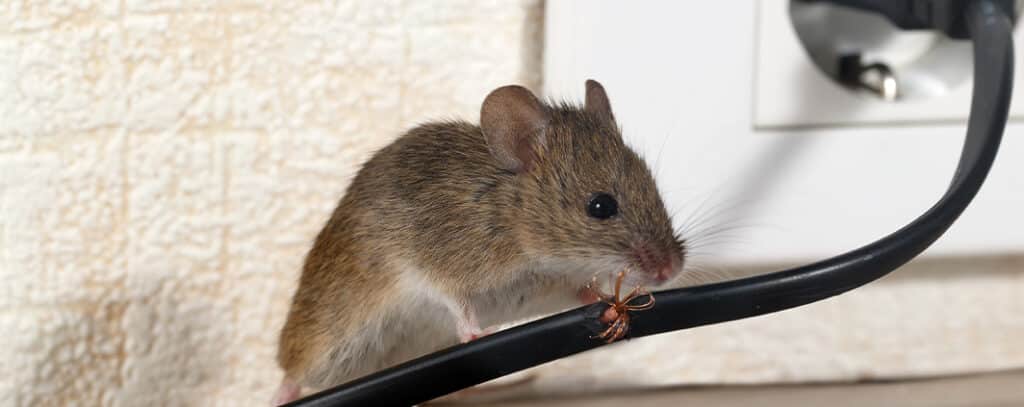
Even a small mouse infestation can quickly become dangerous. Mice spread harmful bacteria, viruses, protozoa, and allergens, contaminate food and kitchen surfaces, and damage property by gnawing through wiring, drywall, and insulation. Their constant chewing can strip the protective coating off electrical wires, creating a serious fire hazard within walls and attics. In addition to structural risks, mice attract other pests, such as fleas and ticks, which can spread additional diseases. In commercial settings, mice can threaten food safety, damage equipment, and harm reputations.
How Long Do Mice Live?
While a number of factors can extend or shorten mice’s life spans, the average mouse will live up to 2 years in a safe environment with easily available food.
Common Mice Species in the Carolinas
Numerous species of mice live in the Carolinas, but all fall into two main categories:
House Mice
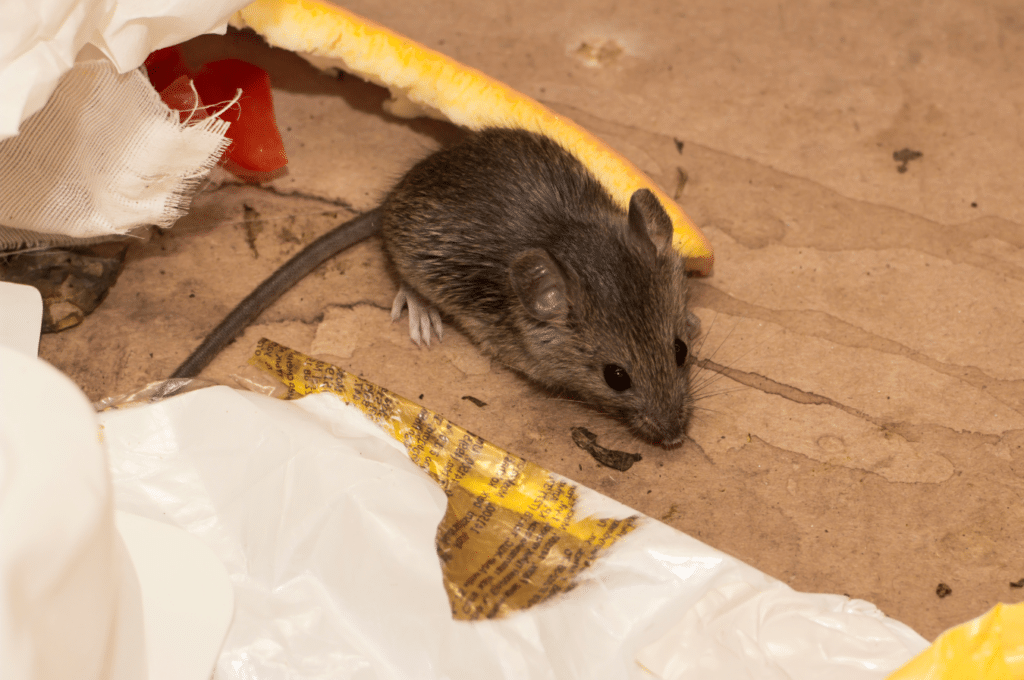
House mice usually have a pointed nose and protruding, beady black eyes. Their ears are large and rounded. House mice range in color from tan to gray to brown and generally have a lighter-colored underbelly. Rarely, some house mice are black. They have slender bodies and long, nearly hairless tails. They grow to about five inches long, including the tail.
Field Mice

Field mice differ from common house mice in appearance. The exact physical characteristics vary by species, but the average appearance is dark gray to brown, with a white underbelly and white feet. Their eyes and ears are larger than those of a house mouse. They also grow up to seven inches long and have hairless tails. Deer mice and white-footed mice are just two examples of field mice.
Signs of a Mouse Infestation
Rodents reproduce rapidly. One mouse today can turn into sixty within a year. The sooner you act, the better your chances of preventing serious health and safety concerns.
Here are some common warning signs of a mouse problem:
Droppings & Nesting Material
Small, dark droppings near food sources or shredded paper and fabric in hidden corners.
Nocturnal Noises
Subtle scratching or scurrying inside walls, particularly at night.
Unusual Pet Behavior
Pets fixated on certain areas may indicate hidden rodents.
Food Packaging Damages
Chewed or torn packaging with food scattered on shelves.
Persistent Odors
A musky, ammonia-like smell in enclosed spaces.
How Did I Get Mice?
Mice are extremely small, and their unique muscular and skeletal structures enable them to shrink even further. They can squeeze themselves through openings the size of a dime. Most homes and businesses have gaps large enough for mice to get through if proper precautions aren’t taken. Mice control professionals at Anticimex Carolinas are trained to find and seal common entry points that mice are likely to use.
What Attracts Mice?
Mice are mammals and prefer the same sorts of climates as people. So, when they come inside, odds are they are looking for food and shelter.
Where Do Mice Live?
Mice prefer concealed or unused areas, such as basements, attics, and garages. Call a mouse exterminator immediately if you suspect a mouse infestation. The best way to get rid of mice is to take swift action at the first signs of mouse activity.
Why Do I Have Mice in My Clean Home?
While mice may be the cause of a home’s poor sanitation, they are not specifically attracted to it. If your home is warm, has safe places to nest, and has food, mice will move in. While certain precautions to seal off food and garbage can help reduce the likelihood of a mouse infestation, they are not guaranteed to prevent one.
Mice are extremely small, and their unique muscular and skeletal structures enable them to shrink even further. They can squeeze themselves through openings the size of a dime. Most homes and businesses have gaps large enough for mice to get through if proper precautions aren’t taken. Mice control professionals at Anticimex Carolinas are trained to find and seal common entry points that mice are likely to use.
Effects of Mice For Carolinas Homes and Businesses
As with many pest control issues, mouse infestations can escalate quickly, especially during hot Carolina springs and summers. Let’s dive into why it’s so important to take preventative measures or address existing issues as soon as you realize there could be a problem.
Health Risks
Although mice can be very small and may look harmless, you don’t want to simply allow them to live in your home. To begin with, many mice carry dangerous pathogens in their saliva, feces, and urine that can make you and your loved ones incredibly sick.
Property Damage
Mouse infestations can also lead to serious property damage. Their teeth grow continuously throughout their lives, making it necessary for them to constantly find things to chew on, including your walls, foundation, insulation, and electrical wiring. They’ve even been known to destroy personal items like books, clothing, or furniture.
Impacted Well-Being
No one enjoys the unsettling visuals and feelings associated with an escalating mice infestation. Live mice sightings and feces can make a property seem neglected, unkempt, or uninviting. They make people uneasy and impact a property owner’s quality of life. Mice like to stay hidden and unnoticed, but the scurrying of a rodent is enough to gross anyone out.
Why It's Important to Get Rid of Mice
Mice don’t have to be inside your home or business to do damage, either. They can also damage vehicles, as well as many of the plants and trees growing in your carefully tended Carolina garden.
And keep in mind how quickly mice can reproduce. Each female mouse can produce up to ten litters a year with up to 14 baby mice per litter. She’s also immediately ready to mate again, making it possible for her to produce yet another litter in just 25 days.
Imagine how quickly even one or two mice could turn into a serious infestation that has you way over your head.
Diseases Mice Can Spread
Diseases Carolina mice can spread include (but aren’t limited to):

Some modern-day rodents even spread diseases you may assume don’t exist anymore, like typhus and the plague.
How Do I Prevent Mice?
Professional prevention is the key to lasting protection. It is especially important to seal gaps, cracks, and entry points in foundations and walls; store food in sealed containers; dispose of garbage regularly; and keep firewood and debris at least 20 feet from structures. If you’re renovating or leaving a property vacant, schedule an inspection to prevent mice from nesting in construction debris or insulation.
Anticimex SMART: A Game-Changer in Rodent Control
Sometimes, mouse control methods can’t keep up. That’s why Anticimex uses advanced digital rodent control systems that operate 24/7—so you don’t have to. Homeowners across the Carolinas are turning to our expert exterminators for fast, long-lasting solutions.
The Anticimex SMART system provides intelligent protection that works while you sleep, work, or travel. It’s discreet, eco-friendly, and incredibly effective. Skip the guesswork and harmful products. Our system provides peace of mind through precision and automation.
SMART Technology Includes:
- SMART Connect: A wireless hub that links all components and reports activity in real time.

- SMART Eye: Heat and motion sensors that detect rodent presence in hard-to-reach areas.
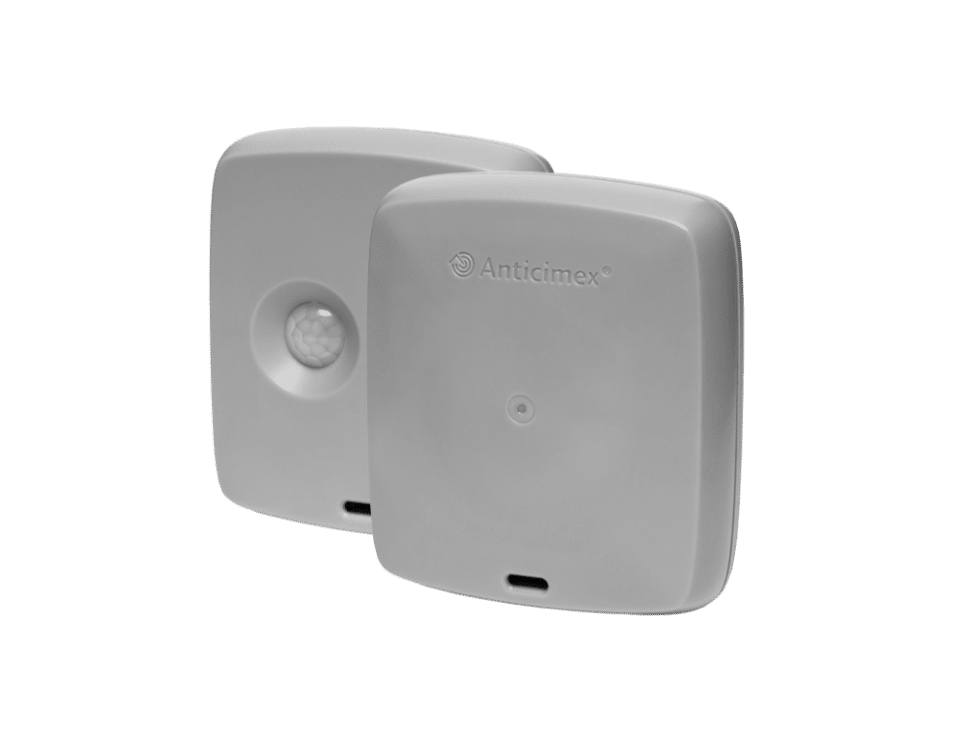
- SMART Catch: Automated traps that capture mice and send immediate alerts.
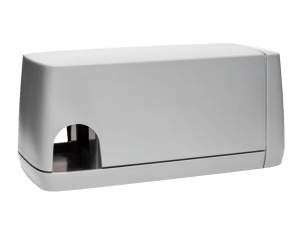
- SMART Box: High-capacity units for areas with elevated activity.

Skip the guesswork and harmful products. Our system provides peace of mind through precision and automation.
How to Get Rid of Mice
In addition to SMART technology, DIY traps may reduce activity, but professional mice control ensures both removal and prevention.
There are many places mice can hide, but these are the most common:
- Garages
- Walls
- Attics
- Basements
- Crawlspaces

How to Get Rid of Mice in the Garage
Garages are common entry points because they often contain clutter, food sources, and easy access from outdoors. Removing debris, keeping garbage sealed, and eliminating nesting materials to make the space less attractive are the best practices when dealing with a mice infestation. Sealing cracks, gaps, and door openings is critical, as mice can squeeze through holes as small as a quarter inch. Long-term control comes from combining sanitation, exclusion, and ongoing monitoring to prevent mice from returning.
How to Get Rid of Mice in the Walls
Mice inside walls are especially challenging because they remain hidden and reproduce quickly. Effective control requires locating entry points and nesting areas, then using targeted treatments—not just traps placed in living spaces. Because mice can travel through wall voids and avoid basic traps, professional pest control is typically needed to eliminate the infestation and prevent further structural damage.
How to Get Rid of Mice in the Attic
Attics provide warmth, insulation, and low human activity, making them ideal nesting sites. AX Carolinas recommends sealing rooflines, vents, and any openings that provide access, and removing stored materials that mice can use for nesting. Since mice often chew through wiring and insulation in attics, prompt intervention is essential to prevent fire hazards and costly damage. Ongoing monitoring systems, such as SMART technology, help detect and stop activity before it escalates.
Cleaning & Sanitization After an Infestation
Once the mice are gone, it’s essential to properly disinfect the area to remove mouse droppings, nests, and bacteria. It is important to fog and wipe surfaces from floor to ceiling, targeting hard-to-reach areas.
Schedule Your Free Property Assessment with AX Carolinas Today

Don’t wait until mice have damaged your wiring, contaminated your pantry, or invaded your walls. Schedule a free professional assessment with AX Carolinas and let us customize a protection plan tailored to your property.
AX Carolinas combines several well-known and established pest control brands in North Carolina and South Carolina: Clarks Pest Control, Killingsworth Environmental Pest Control, & Strand Pest Control. You know you can trust our mice exterminator teams across all brands under the Anticimex Carolinas umbrella because our technicians know the area as well as the specific pest concerns that the Carolinas face. Contact us today for a free estimate!
Frequently Asked Questions: Mice Control in the Carolinas
How quickly can mice infest a home?
Extremely quickly. A single pair of mice can produce up to 60 offspring per year. What begins as a minor issue can escalate into a full infestation within weeks.
Why do mice keep coming back even after using traps?
Traditional traps only catch a fraction of the population. Mice quickly adapt and avoid danger zones. Our SMART system addresses the entire infestation at once and prevents reinfestation.
How soon after mice treatment will I see results?
Many customers report noticeable improvements within one week. Full control usually occurs within 2–3 weeks, depending on the severity of the problem.
Do mice attract other pests into my home?
Yes, mice infestation can lead to other pest problems. Mice can introduce parasites such as fleas, mites, and ticks into your home, and their nesting materials and waste can create conditions that attract insects. Effective mice control helps reduce the likelihood of secondary infestations and protects indoor health overall.
What materials can mice chew through in a home?
Mice have strong teeth that allow them to chew through a wide range of materials, including insulation, wood, plastic, and softer construction materials. This behavior can lead to structural damage and even increase fire risk if wiring is affected.