






Mosquito Extermination & Pest Control Services in the Carolinas

Home » Pest Library » Mosquito Control

Home and business owners across North Carolina and South Carolina trust Anticimex Carolinas for year-round mosquito control and general pest protection.
Mosquitos are small insects easily identified by their slender body, three pairs of long legs, and delicate wings. Female mosquitoes require blood to produce eggs, which is why they feed on humans. While a mosquito’s bite is usually painless, its saliva can cause a reaction that leads to intense itching. In rare cases, it’s possible to contract a disease if you get bitten by an infected mosquito carrying a pathogen. The Carolinas have several species of mosquitoes. Some are more likely to carry diseases than others, but you should always take precautions to avoid getting bitten.
Get a Free Pest Control Quote
Table of Contents
What Are Mosquitoes?
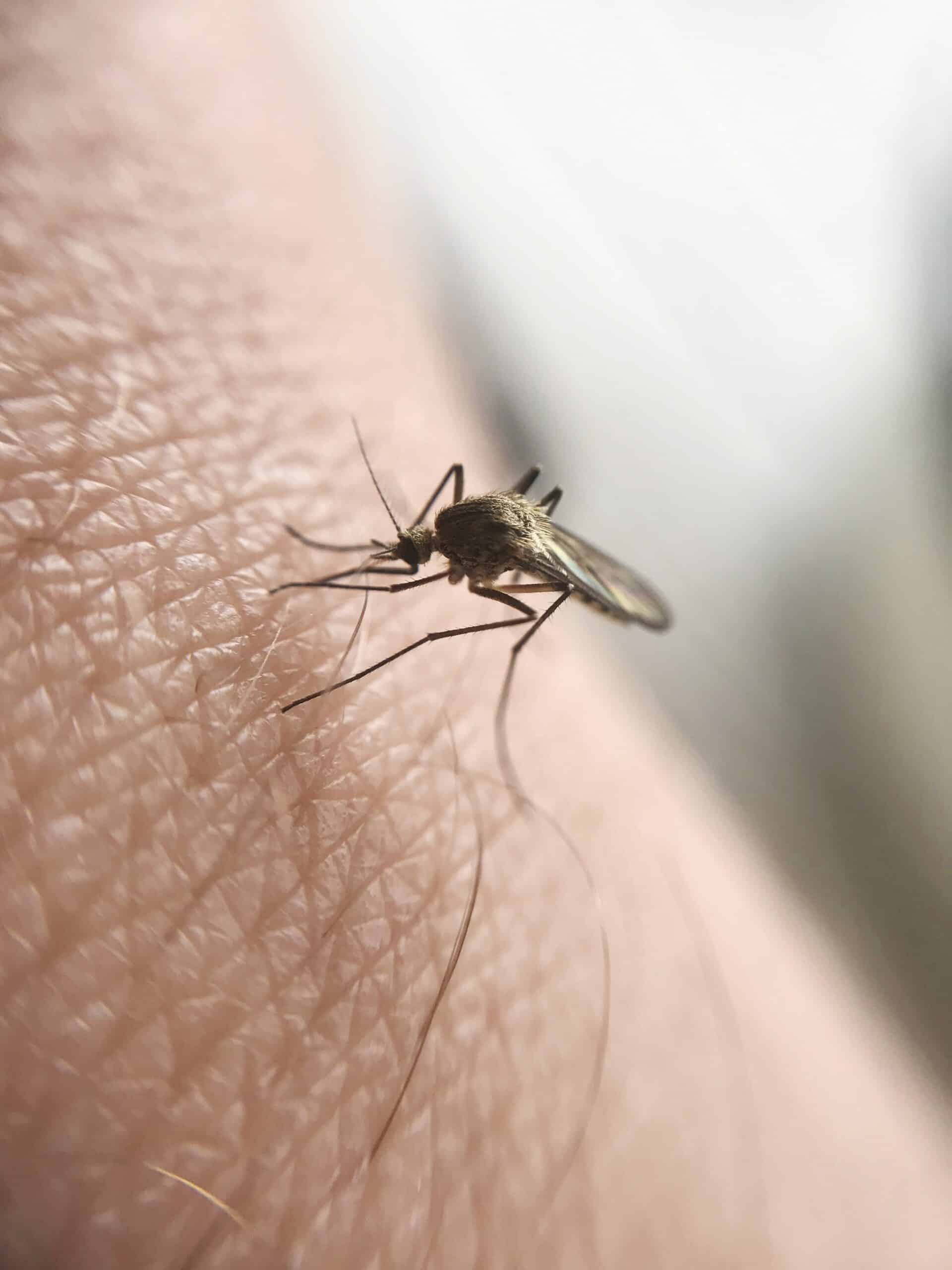
Mosquitoes are small flying insects with slender bodies, narrow wings, and long legs. Female mosquitoes bite humans and animals to obtain blood to produce eggs.
- The bite itself is often painless
- It's the mosquito's saliva that causes itching and irritation
Mosquitoes are also unusually abundant throughout the Carolinas, thanks to the area’s warm, humid climate. They breed very quickly, with emerging adults ready to reproduce within only 28 hours, as well, so it doesn’t take long for even a couple of mosquitoes to lead to a full-blown problem. For that reason, it’s crucial to get on top of potential infestations right away.
How to Identify Mosquitoes
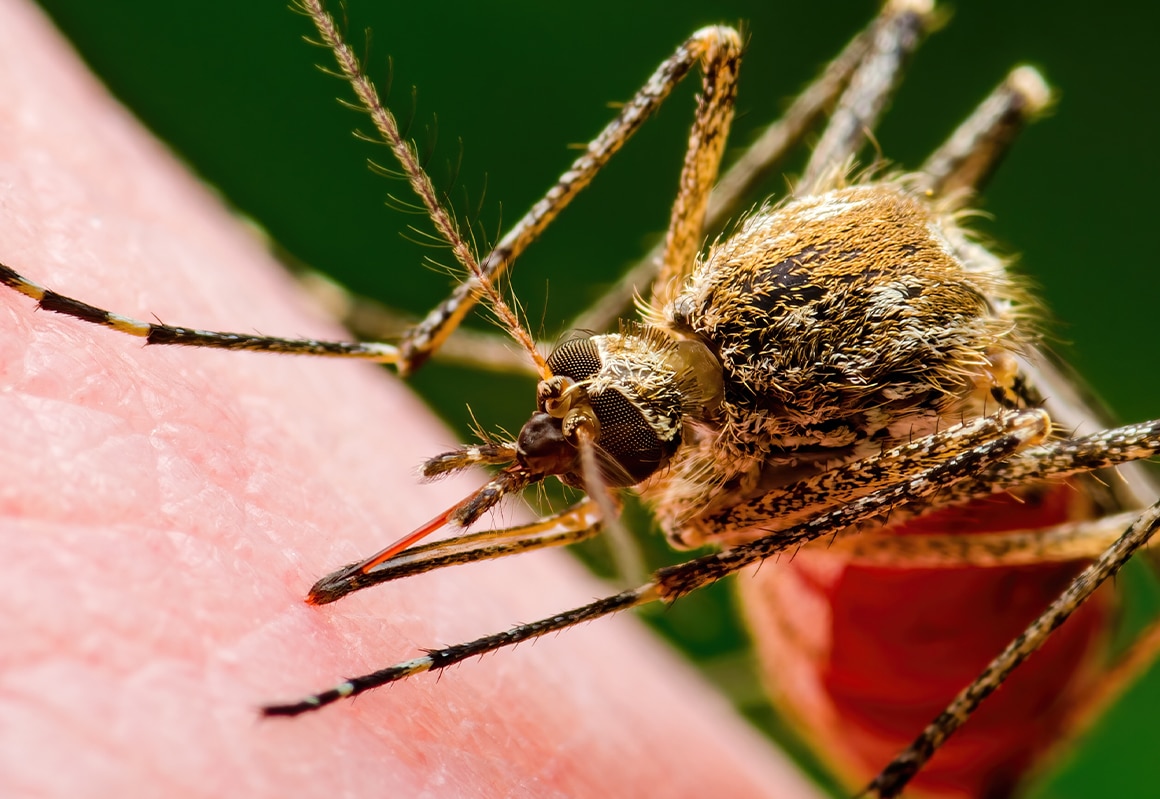
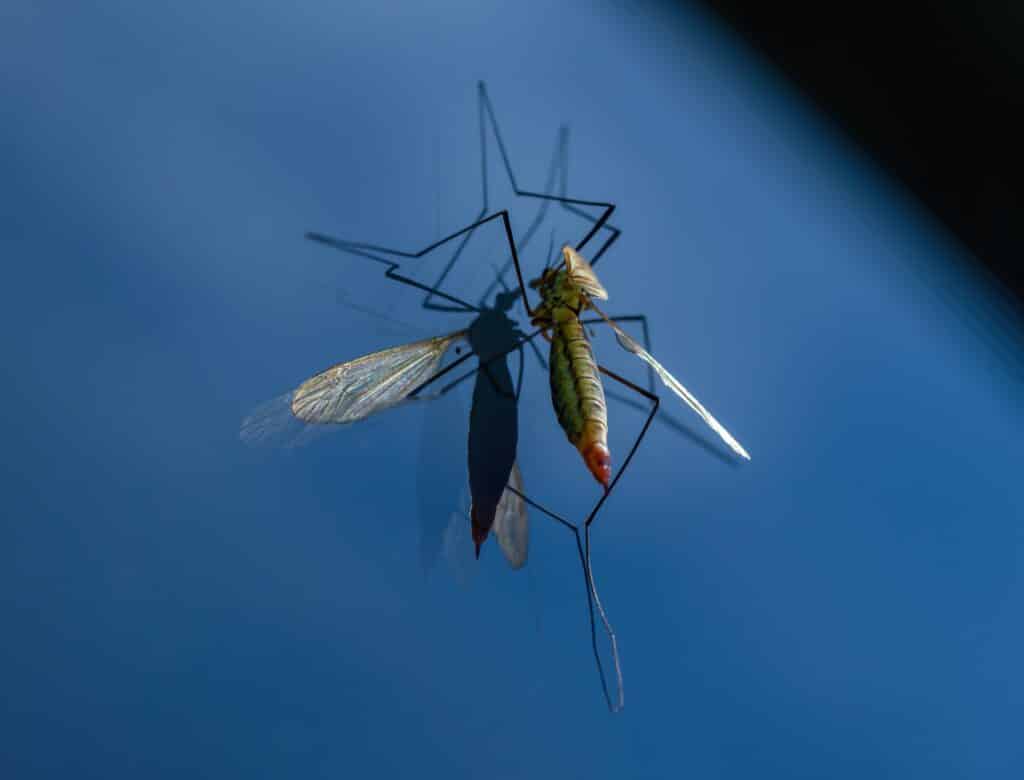
Mosquitoes are small, slender insects defined by a long, piercing proboscis, scaled wings, and fragile legs:
Proboscis
A long, sharp tube used to feed on plant nectar; only females use it to pierce skin and draw blood.
Antennae
Long and hairy on females, but very bushy and feathery on males.
Scales
Tiny scales cover their bodies and the veins along their narrow wings.
Legs
Six very thin, fragile-looking legs are attached to the middle body segment
Different types of mosquitoes are active and biting at various times of the day. The type of mosquito you’re dealing with can also dictate which conditions they prefer and what diseases they’re most likely to carry. However, mosquitoes in the Carolinas can be more than just a nuisance, as some species are capable of transmitting disease. Active mosquito control can help reduce mosquito populations around your property.
Mosquito Species Found in the Carolinas
Don’t make the mistake of thinking all mosquitoes are the same. More than 60 different mosquito species live and thrive throughout North Carolina and South Carolina. Some of the most common types include the following:
- Aedes mosquitoes
- Gallinipper mosquitoes
- Southern house mosquitoes
- Culex mosquitoes
- Aedes mosquitoes
- Gallinipper mosquitoes
- Southern house mosquitoes
- Culex mosquitoes
How Long Do Mosquitoes Live?
Mosquito lifespan depends on species and environment:
- Male mosquitoes live about 1 week and do not bite
- Female mosquitoes can live 2–4 weeks and do bite
In warm, humid climates like the Carolinas, mosquito populations can persist from spring through fall.
Why Are Mosquitoes Dangerous?
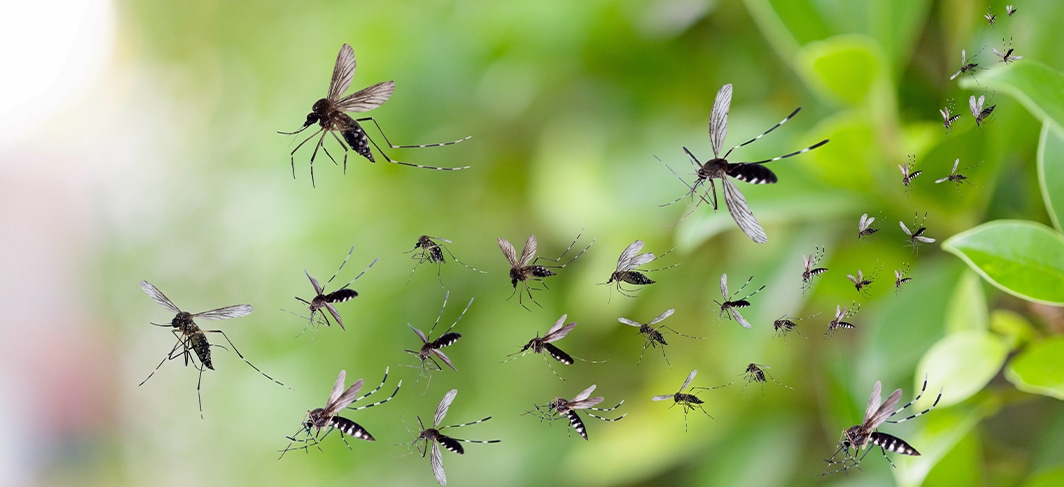
North Carolina and South Carolina mosquitoes are more than just annoying. Many species that live in the area can carry and spread serious disease-causing pathogens. Examples of diseases mosquitoes can spread throughout North Carolina and South Carolina include:
They can even spread parasites like heartworms to your beloved pets, so the right mosquito treatment can be an important part of helping reduce mosquito populations and mosquito-bite exposure around your property.
Vegetation
The midday sun is often too intense for mosquitoes, so they tend to hide in your vegetation for shade. You can find them underneath leaves, tall grasses, trees, and shrubs. The more landscaping you have, the more likely they are to be hiding there!
People & Animals
There’s no getting around it, the number one thing mosquitoes are attracted to is you and your pets! CO2 and the chemicals naturally released from our bodies draw mosquitoes in like moths to a flame. If you have pets or livestock, expect mosquitoes to come in larger numbers. The more bodies, the more mosquitoes.
What Are Mosquitoes Attracted To?
Mosquitoes have several attractants, most of which are easily preventable on your property:
Standing Water
Mosquitoes and water go hand-in-hand. These pests require just a small amount of water to breed and lay their eggs. All they need is a pond, a bird bath, a flower pot, or standing water on your lawn to reproduce.
High Temperatures
As cold-blooded pests, mosquitoes can only survive in warm environments. Which is why you tend to find them in places like North and South Carolina (and why mosquito control in
Clogged Gutters
Mosquitoes love to live in clogged drains and gutters because they provide both shelter and breeding water. Because most homeowners don’t keep up with cleaning out their drains and gutters, mosquitoes are left to do what they please.
Yard Debris
Debris around your property, such as leaf piles, grass clippings, compost piles, or stacked wood, is a potential breeding ground for mosquitoes. These tiny pests can’t fly very well in windy conditions, so they seek places to hide out when they’re in need of shelter.
What Are the Effects of Mosquitoes In & Around Homes or Businesses?
If you have many mosquitoes laying their eggs nearby, it’s likely that you’ll be forced to deal with mosquitoes swarming around your home or business. Mosquitoes around your home or business can make sitting outdoors extremely difficult, and you may feel unable to use your outdoor space due to potential health risks. This means that backyard barbecues, or even casual evenings spent sitting outside with friends and neighbors, are out of the question. It’s frustrating to feel unable to use such a large part of your property.
Depending on how much coming and going you experience daily, you may find that the mosquitoes make their way indoors and torment you there as well.
How Do I Prevent Mosquitoes?
The best way to prevent mosquitoes, and by extension mosquito bites, is to ensure there is no standing water on your property. Walk around and dump out water from containers. By taking control of their breeding grounds, you can cut off mosquito eggs and larvae before they hatch into full-grown adults.
After you’ve removed all standing water, take steps to prevent it from collecting again. Store empty containers indoors and work with your neighbors to remove standing water throughout your neighborhood.
What Can I Do to Help Get Rid of Mosquitoes in My Yard?
While mosquito control services are the most effective way to combat mosquitoes in your yard, there are several other things you can do during yard maintenance to reduce the number of mosquitoes even further.
- Remove any standing water in your yard.
- Trim your grass and plants.
- Get rid of objects that collect water, such as tarps and buckets.
- Purchase foliage that repels (or at the very least doesn’t attract) mosquitoes.
What Eats Mosquitoes?
While mosquitoes are some of the most experienced and established hunters on earth—they’ve been around for over 100 million years—they are also hunted by many mammals, reptiles, birds, and insects. These include:
- Birds – Purple martins, swallows, and some species of ducks feed on mosquitoes.
- Dragonflies – Both adult dragonflies and their larvae (nymphs) consume mosquitoes.
- Fish – Mosquito fish (Gambusia) and goldfish eat mosquito larvae in standing water.
- Frogs and Toads – Some species eat mosquitoes, though they are not a primary food source.
Mosquito Control Services: Our Step-By-Step Process
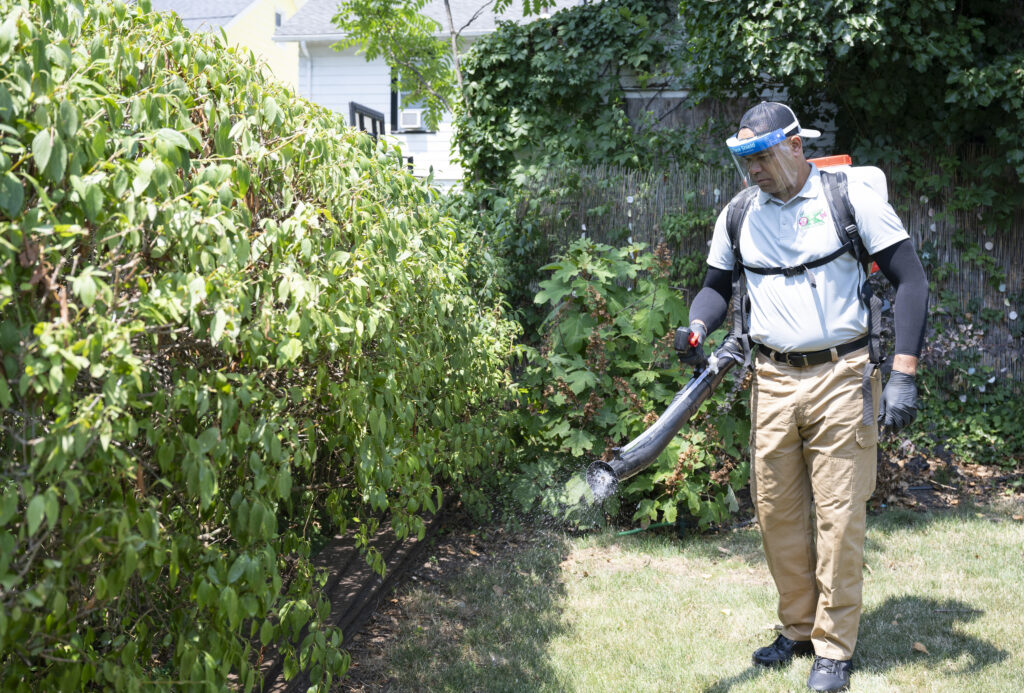
Your home and family are unique and deserve custom pest protection. By examining every nook, cranny, and potential pest entry point in your home, we can provide a comprehensive treatment designed to help prevent and reduce pest activity in and around your home. Each of our pest control plans includes baseline services that go above and beyond standard treatment.
Eliminate Existing Mosquitoes
Once the habitats have been identified, the next step is to
eliminate adult mosquitoes to break the breeding cycle. Approximately every 28 days, a residual pesticide will be applied onto any vegetation they may be attracted to and ontoareas of standing water. This guarantees that all mosquitoes that land in your yard will encounter the pesticide at some point.
Ongoing Mosquito Protection
The warm, humid climate of the Carolinas makes your yard the perfect environment for mosquitoes to breed almost all year long. Because of this, long-term mosquito control treatment is essential. Our expert treatment uses targeted applications around your property to help reduce adult mosquito populations in treated areas and provide ongoing control between scheduled treatments.
Identifying Mosquito Habitats
One of our pest experts will arrive at your home and go over any mosquito-related concerns you may have. At this time, let your tech know if there are any areas that require extra attention where you believe mosquitoes may be breeding. From that point, we will identify any potential breeding places around your home and notify you of what needs to be drained of water. If it can’t be drained, we have eco-friendly treatments for non-target organisms, such as bees and butterflies. It can even be used in bird baths or ponds with aquatic life.
Is Mosquito Control Treatment Safe for Your Family & Pets?
We use EPA-approved mosquito control products:
- Applied by trained professionals
- Used according to all label directions and precautions
- Typically dry within 30 minutes
Does Mosquito Control Treatment Hurt Plants?
Many of our clients are worried that the treatments used to target mosquitoes will harm their gardens and the plants in their yards. All our products are applied according to label directions and in accordance with all applicable regulations.
Will Rain Affect the Efficacy of Mosquito Treatments?
Our treatments typically dry quickly, although drying time can vary depending on weather and application conditions. Treatments are targeted to mosquito resting areas, including the undersides of leaves, which helps limit direct exposure to rainfall. Once dry, properly applied products are designed to provide residual mosquito control between scheduled treatments, in accordance with product label directions.
Schedule Your Free Property Assessment with AX Carolinas Today
DIY prevention methods are an important part of pest control, but professional treatments can provide additional control by targeting insects and helping reduce their numbers. At Anticimex Carolinas, our team provides quality, state-of-the-art pest management services to homes and businesses in North Carolina and South Carolina. Mosquitoes are persistent, but our mosquito treatments are designed to help reduce mosquito populations and activity around your property, allowing you to spend more time enjoying your outdoor spaces. Treatments take effect quickly, making them a great option when preparing for an outdoor event, or you can opt for seasonal mosquito control with periodic treatments from spring through fall to help manage mosquito activity throughout mosquito season. Contact us today!
Frequently Asked Questions
Do I need to be home for my mosquito treatment?
No. As long as the exterior treatment areas are accessible and pets are kept inside, you do not need to be home during your mosquito treatment. Your technician will document the service and provide information about the treatment performed.
Do I need to prepare my yard before mosquito treatment?
Please make sure your technician can access the areas around your home and yard that need to be treated. People and pets should remain away from treatment areas, and items such as toys, pet dishes, and other belongings should be removed from treatment areas. Your technician will also inspect the property before beginning treatment.
What happens if you find standing water on my property?
Your technician will inspect the property for potential mosquito breeding sites. Small sources of standing water that can be emptied may be drained. Certain standing-water areas that cannot be drained may be treated with an appropriately labeled larvicide. Larger areas that cannot be drained or treated will be identified so you can take steps to correct the condition when possible.
Can mosquitoes come into my yard from neighboring properties?
Yes. Mosquitoes can travel from breeding and resting sites outside your property, so conditions on neighboring properties and surrounding areas can affect mosquito activity in your yard. Professional treatment, combined with eliminating standing water and other potential breeding sites on your property, can help reduce mosquito populations and activity.
Does extreme weather affect mosquito populations?
Mosquitoes thrive during warm, humid Carolina summers – one reason they’re most abundant during the warmer months. Extreme heat or cold can reduce mosquito activity and survival. Prolonged dry spells or drought can also make it hard for mosquitoes to breed and thrive.