






If you’re dealing with pests, your first instinct is to try to smack, whack, or step on any pests you see. When it comes to bed bugs, eliminating them is a little more complicated.
So, the question is: are bed bugs hard to kill?
The short answer is yes. Bed bugs are uniquely built to survive, avoid detection, and resist many common treatments. The bottom of your shoe isn’t going to fix this issue that easily, especially not if it has developed into an infestation.
At Killingsworth Environmental, we’ve been protecting Charlotte-area homes for years. Here’s what you need to know about the pests most likely to invade your home—and what you can do to stop them.
Why Are Bed Bugs So Hard to Kill?
Understanding why bed bugs are so difficult to kill is the first step toward getting rid of them for good:
They Hide Most of the Time
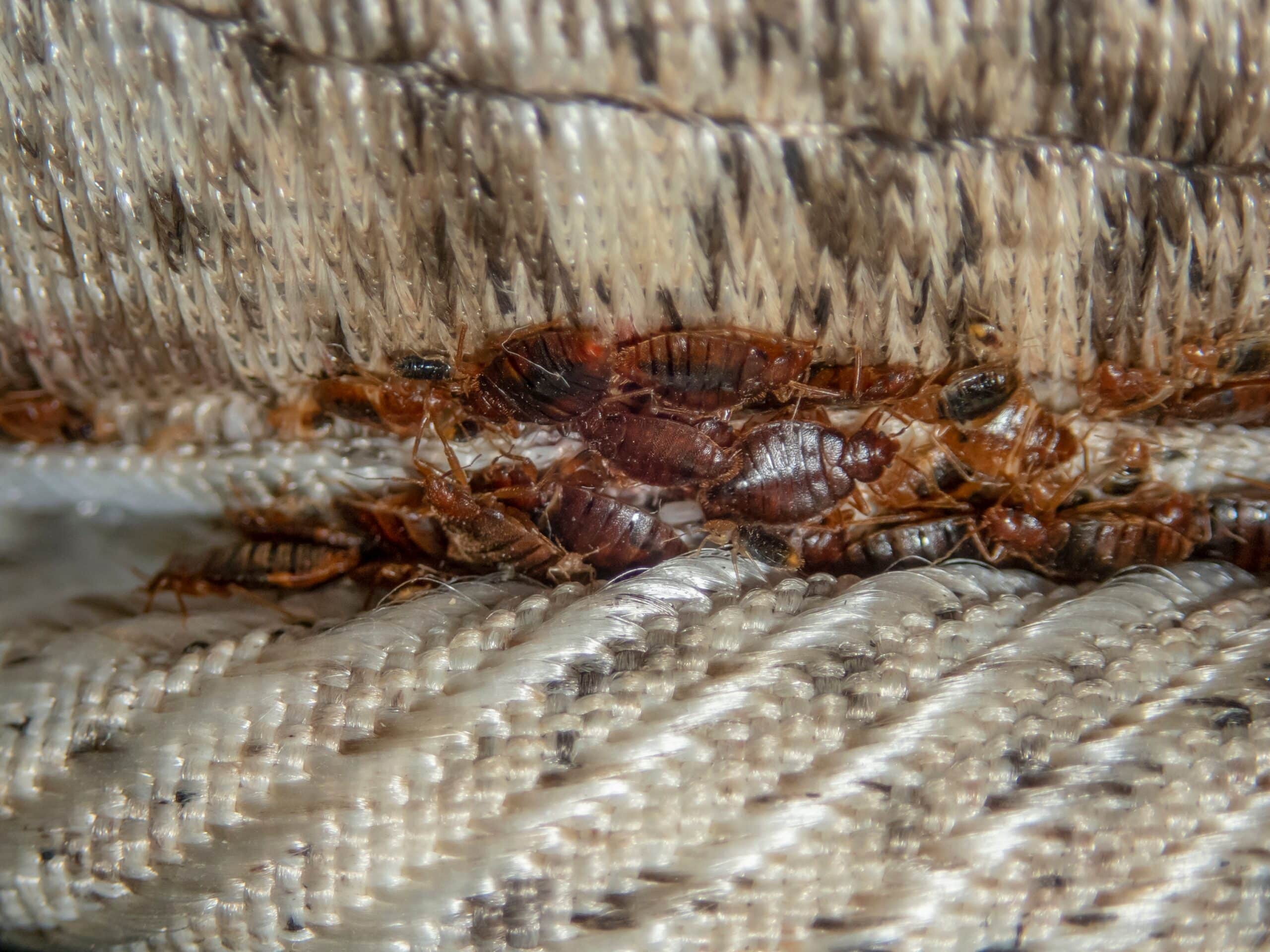
Bed bugs are cryptobiotic, meaning they spend most of their lives hidden in cracks, crevices, and tight spaces. They typically come out only once per week, limiting their exposure to pesticides and other treatments.
They Don’t Respond to Bait-Based Treatments
Many pests, such as ants and cockroaches, are controlled using bait because they ingest pesticides. Bed bugs, on the other hand, do not behave this way:
- They feed exclusively on blood
- They don't ingest pesticides through grooming
Because of this, one of the most effective pest control strategies simply does not apply to them.
Their Body Structure Protects Them
- Bed bugs are flat enough to hide in very small spaces
- They prefer tight areas where their bodies contact surfaces on both sides (a behavior known as thigmotaxis), which is difficult to reach with standard surface spray treatments
- Their breathing openings are positioned in ways that reduce exposure to chemicals
Many Treatments Don’t Reach Them
Standard baseboard sprays are often ineffective because bed bugs don’t spend much time in those areas. Without direct contact, pesticides are far less likely to work. The real challenge is reaching where bed bugs actually live, rather than only where they are seen.
Resistance Makes Them Even Tougher
Bed bugs have developed resistance to many commonly used pesticides, especially widely available consumer products. Some strains survive extremely high doses, which makes DIY treatments far less reliable.
DIY Methods Can Backfire
Speaking of DIY treatments, foggers and bug bombs are often used, but can make infestations worse. These products tend to push bed bugs deeper into hiding rather than eliminating them entirely, spreading the infestation and making professional treatment more difficult.
Can You Completely Get Rid of Bed Bugs?
Yes, bed bugs can be fully eliminated, but success depends on thorough treatment and preventing reinfestation. Here are the most common reasons why treatments can fail:
Incomplete Coverage
Cracks and crevices missed during a treatment are the most common reason infestations continue. Bed bugs can hide in many places throughout the home, especially in small openings that an untrained eye might miss.
Reinfestation Sources
Bed bugs can return from a variety of sources, including:
- Travel (hotels, planes, public transportation)
- Overnight guests (luggage is the common culprit)
- Moving trucks or storage units
- Used furniture or secondhand items
Because they spread easily, identifying the source isn’t always straightforward.
What Kills Bed Bugs Efficiently?
Many bed bug treatments rely on residual pesticides that kill on contact and continue working for several months or weeks. The challenge is that bed bugs often survive initial treatments, requiring follow-up exposure after they hatch.
That is why it is particularly important to understand that treatment application matters more than speed. The limiting factor is not how quickly a pesticide works, but whether it actually reaches the bed bugs. Several treatment methods can work when applied correctly:
Professional Liquid Treatments
These are one of the most effective and widely used options. Success depends on proper product selection and thorough application.
Heat Treatments
Heat treatments raise indoor temperatures to around 135–140°F, killing bed bugs at all life stages. This can be highly effective but tends to struggle in cluttered environments or areas with limited heat penetration.
Fumigation
Fumigation can eliminate bed bugs quickly, sometimes within a single day, by using gas to penetrate all hiding areas. However, this is not a long-term solution to prevent future infestations, and it also requires vacating the home.
Cold Treatments
Cold treatments use CO₂ or similar methods to instantly freeze bed bugs. These are effective but require direct contact.
Biological Treatments
Some treatments use fungal agents to infect and kill bed bugs over time. These are effective but slower and typically require professional application.
Plant-Based and Natural Options
Essential oil-based treatments can kill on contact but generally lack long-term effectiveness and may produce strong odors.
Why Professional Help Matters Especially for Bed Bugs
Bed bugs are difficult to eliminate because they:
- Stay hidden
- Avoid common treatment methods
- Have developed resistance to pesticides
Even with the right products, success depends on thorough application and proper technique. That’s where we come in at Killingsworth Environmental. Contact us today if you are overwhelmed with a bed bug infestation and your shoe just isn’t doing it anymore; we are here to help!