





Bird Control

Home » Pest Library » Bird Control
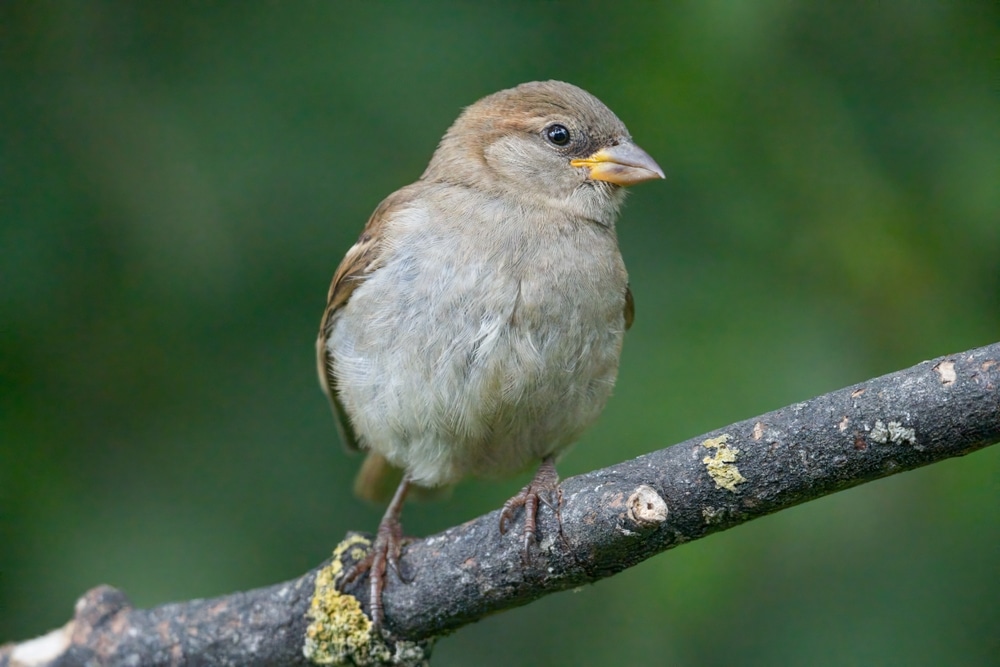
Many people love birds for the colors and sounds they bring to Carolinas neighborhoods, but seeing a bird in the wild is much different from having one living in your attic. Droppings, blocked openings, and repeated activity around your roof deserve professional attention before birds damage your home.
Anticimex Carolinas provides state-of-the-art bird removal and exclusion services to residents of North Carolina and South Carolina. Our team starts by identifying the bird, evaluating your property, and developing a protection plan. Exclusion addresses access points to prevent birds from returning.
Get a Free Pest Control Quote
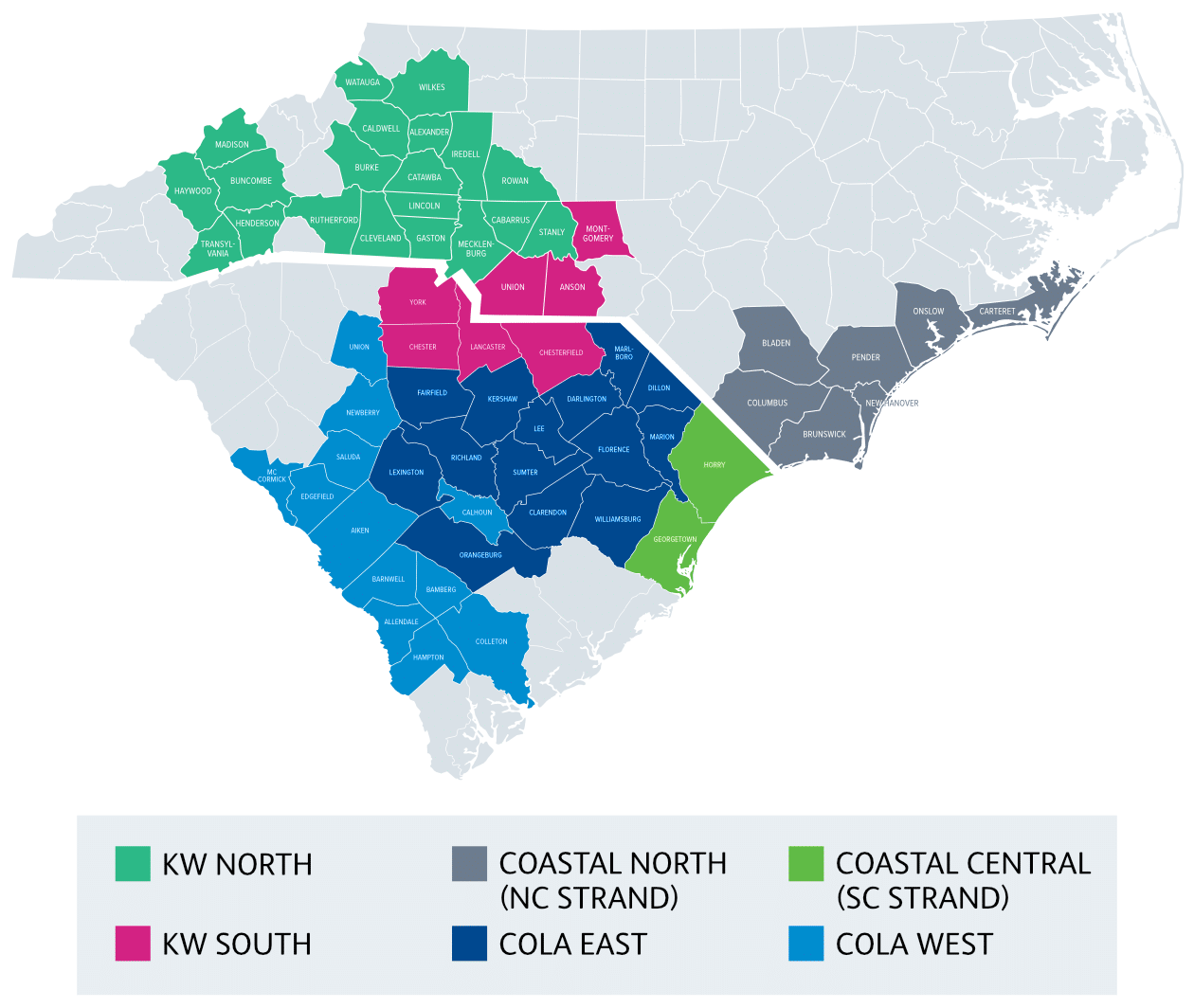
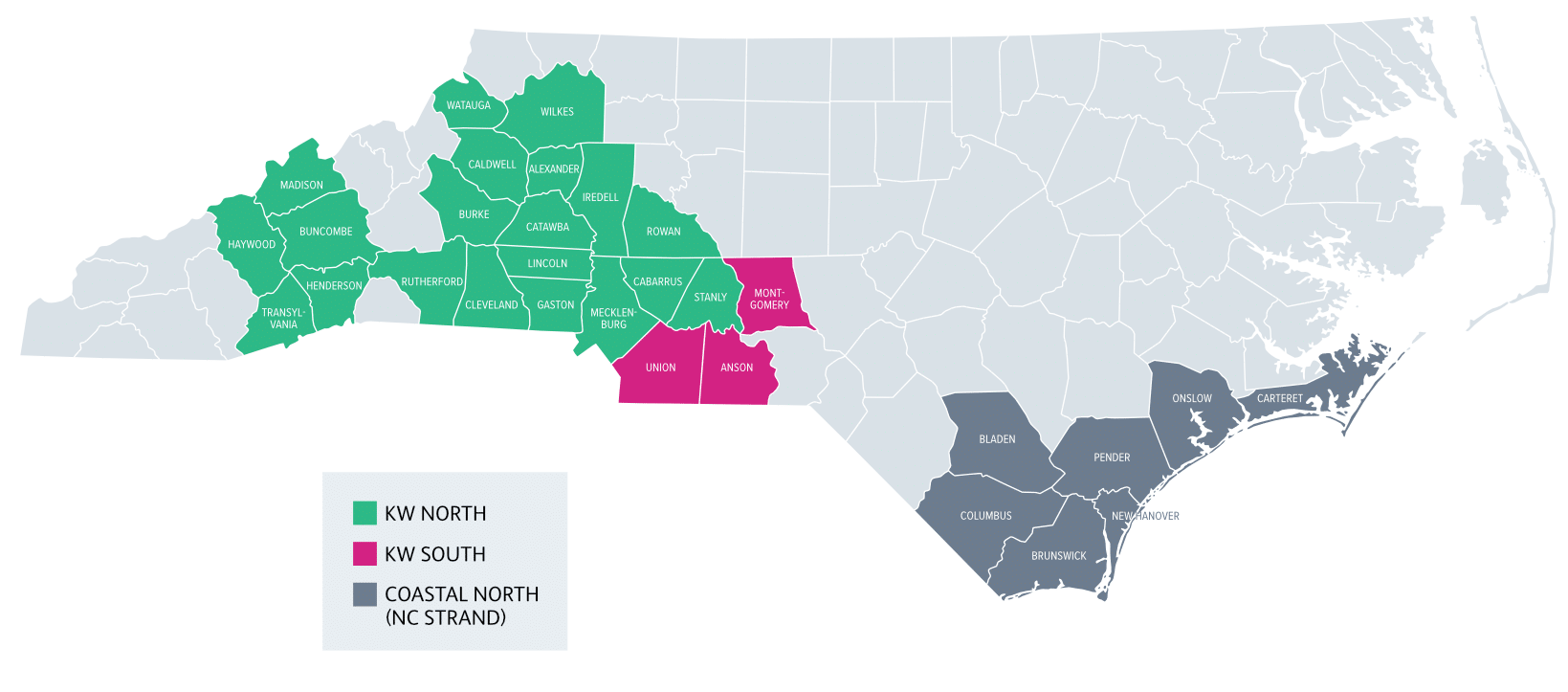
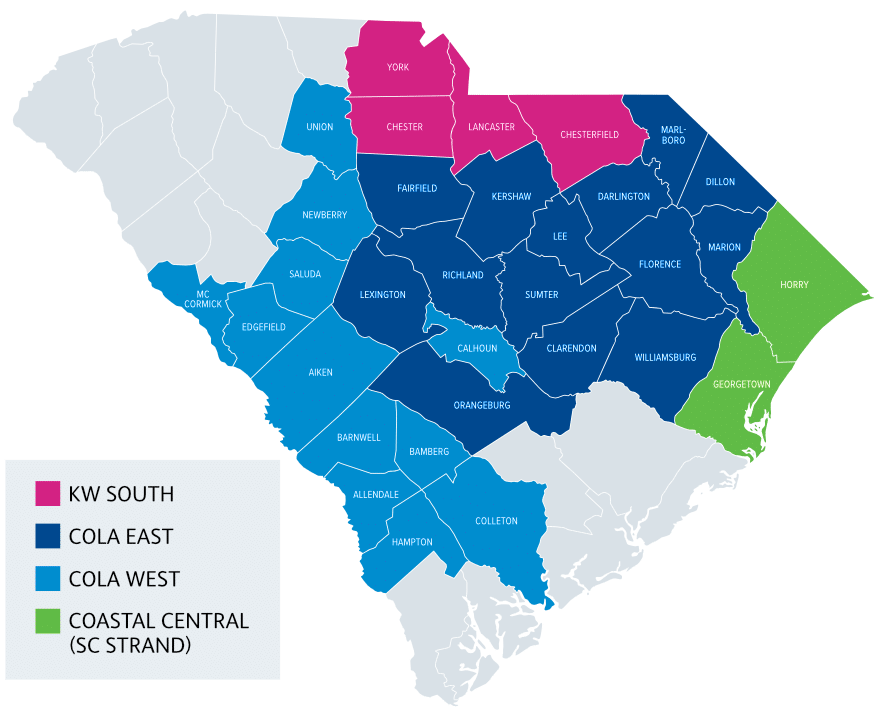
Bird Control is Available in These Regions
What Are Birds?
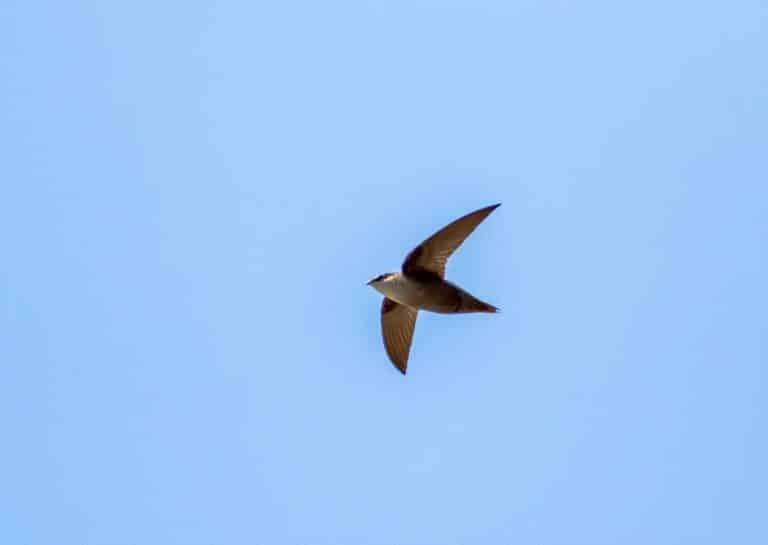
Birds are feathered, warm-blooded animals with beaks and wings. You may not want them in your home, but they play an important role in the Carolinas ecosystems. Birds eat insects and spread seeds, helping local plant populations flourish.
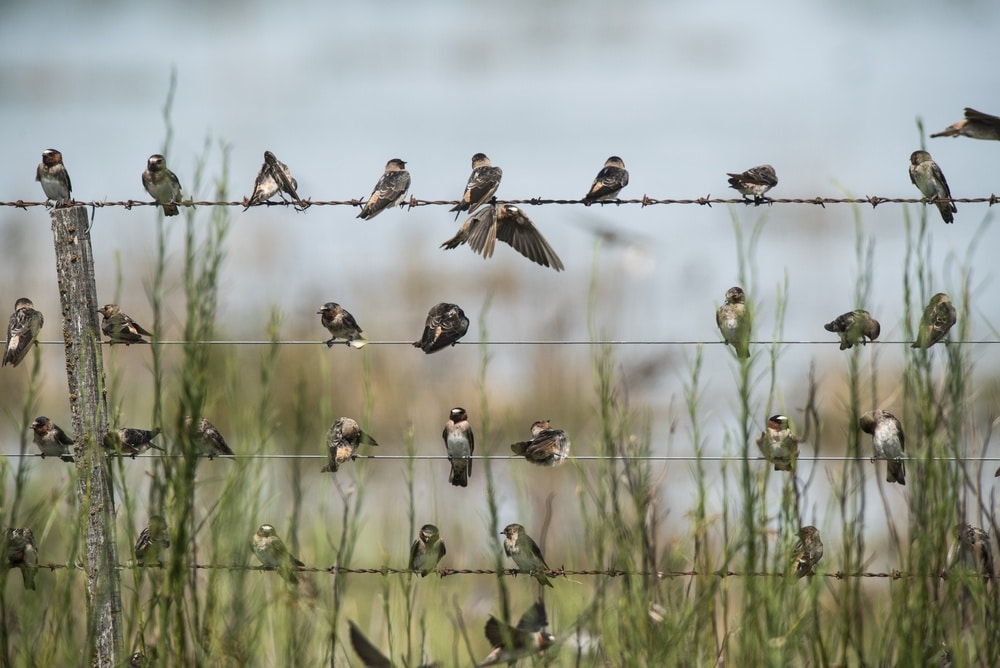
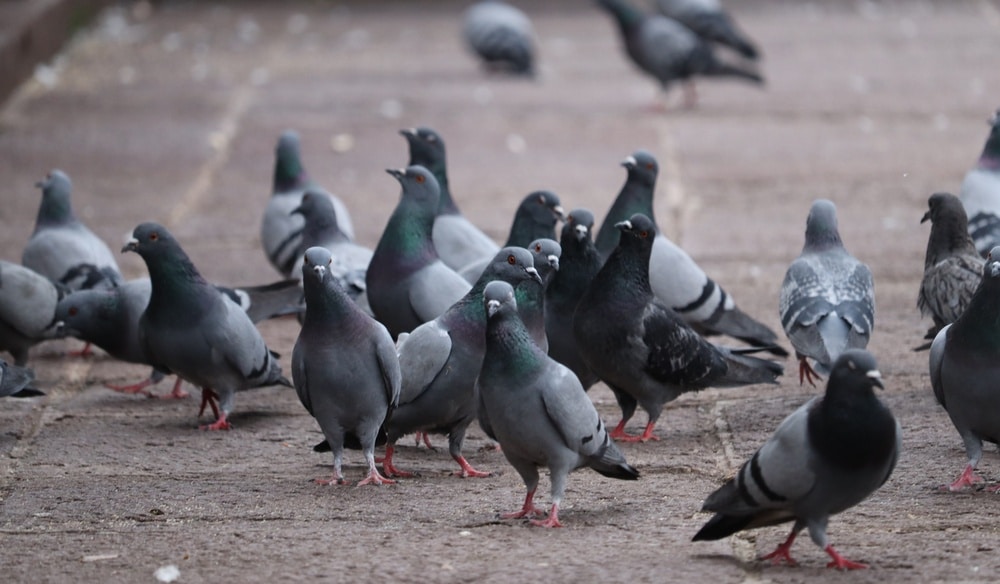
Pigeons, European starlings, and house sparrows are a common sight, as they often gather near buildings or take cover under sheltered openings. It’s important to identify the species before attempting removal and exclusion, as different birds respond to different techniques.
How Do I Identify Birds?
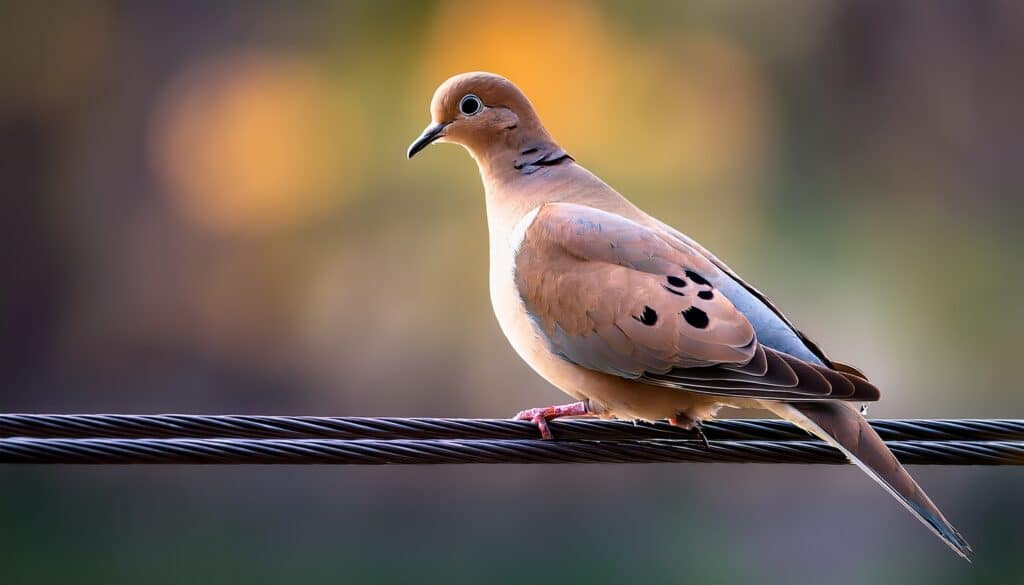
When attempting to identify a bird, pay attention to its size, coloring, sounds, bill shape, and behavior, but keep your distance. Pigeons have small heads and stocky bodies, European starlings have dark plumage and pointed bills, and sparrows have stout bills.
How Do I Get Birds?
Birds are attracted to food sources, so they may move into your structure if you spill birdseed, leave your trash containers open, or feed your pets outdoors. They also look for water sources, such as bird baths, wading pools, and planters.
You may also get birds if your roof has gaps or damaged areas. Damaged soffits, roof ledges, uncovered vents, and gaps beneath removing are all good sources of shelter. You may notice more activity in the spring, but birds can turn your home or business into a roosting area at any time.
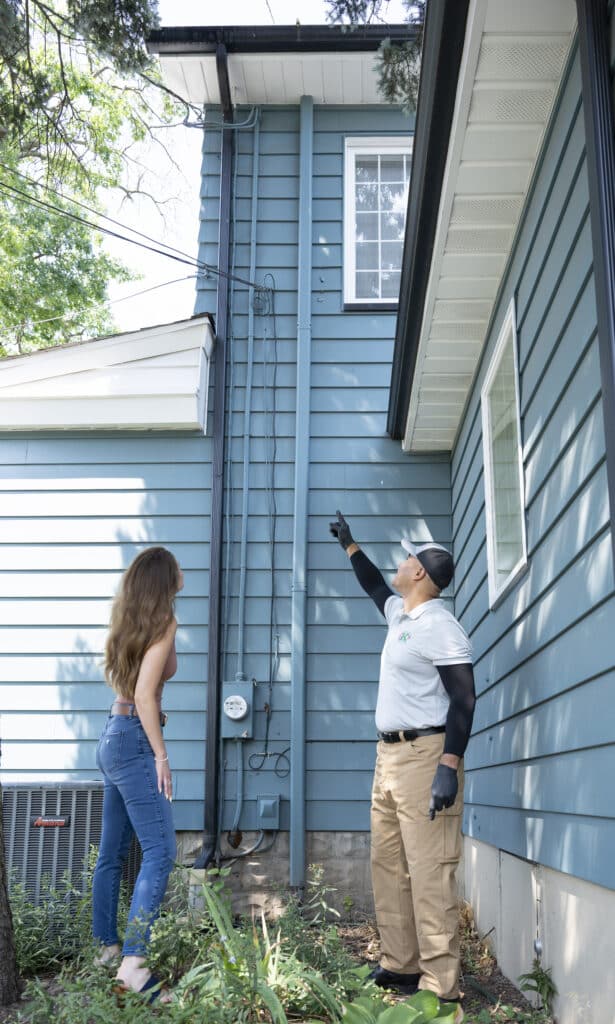
Signs of a Bird Problem
Birds are a natural part of the environment, so you may see them flying through the trees or searching your lawn for worms. They aren’t a problem unless they manage to enter your home. Common signs that warrant a professional inspection include:
- Chirping, fluttering, or scratching noises in attics or walls
- Repeated flights into a roof opening, soffit, or vent
- Droppings accumulating beneath roof ledge
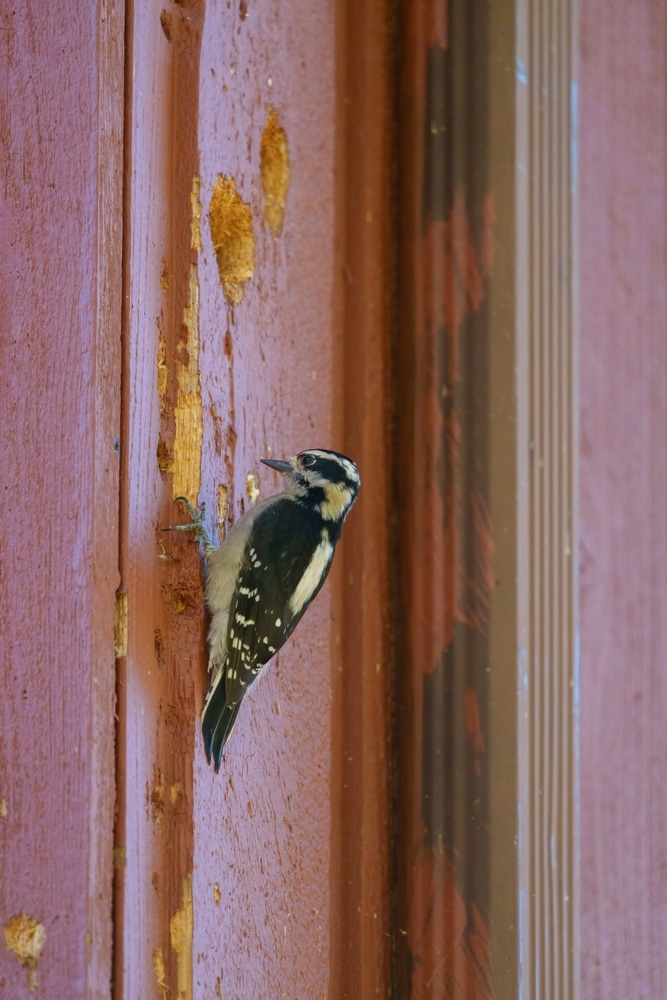
- New holes or persistent pecking marks on your siding
- Feathers and debris around entry points
- Nesting materials sticking out of gutters or roof vents
What Are the Effects of Birds in and Around My Property?
Exposure to wild birds poses some serious health risks to humans. For example, birds can carry bacteria, viruses, or fungi. If disturbed, piles of droppings can release a significant amount of dust. Bird activity also creates safety issues, especially if you don’t address it right away. Nesting materials can prevent water from draining normally, creating slippery surfaces. Damaged siding and obstructed ventilation are also common bird-related concerns.
How Long Do Birds Live?
How long a bird lives varies significantly from one species to another. Some birds survive for only a few years, while others can live for 20 years or more. Their lifespan depends on food availability, weather patterns, predator activity, and habitat.
How Do I Prevent Birds?
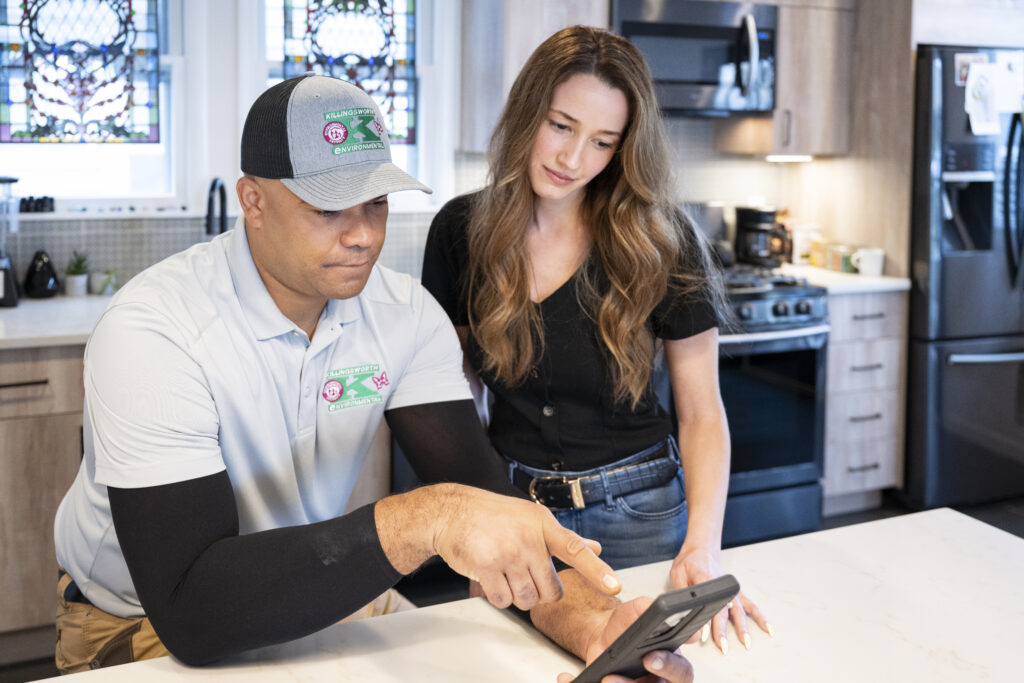
Keeping birds away from your home or business starts with removing potential food and water sources. We recommend bringing pet food indoors, securing your trash, cleaning up spilled birdseed, and removing standing water. Next, keep your roof in good condition. A professional inspection can help determine if there are issues with the edges or soffits. You may also want to add a vent cover or screen to prevent birds from entering without interfering with vent function.
If you see a bird enter an opening, call us before you act. Some species are protected by state or federal law, so there may be removal restrictions. Once your home is bird-free, ask Anticimex Carolinas about SMART Wildlife Exclusion. This technology allows us to monitor your property remotely, preventing birds from returning without putting them in harm’s way.
Schedule Your Free Property Assessment with Anticimex Carolinas
If birds are entering your home or nesting around vulnerable areas, call Anticimex Carolinas. We can evaluate the activity, explain your removal and exclusion options, and develop a plan that accounts for any state or federal restrictions. Request a free estimate today to start protecting your Carolinas property.
Frequently Asked Questions About Bird Removal
Can I remove a bird myself?
It’s better to call a professional. There may be restrictions on removal, especially if you have an active nest.
Will birds come back after removal?
Birds may come back after removal if they continue to have easy access to food and water. Exclusion helps prevent renewed bird activity, making it an important part of a protection plan.
When should I call a professional?
Call us if birds are obstructing your vents, damaging your siding, or leaving droppings near occupied areas. We understand the removal restrictions and can develop a personalized protection plan that complies with relevant regulations.
Do plastic owls keep birds away?
Birds can get used to plastic decoys that are always in the same position. It’s better to call a professional to have the birds removed and excluded correctly.