






Bat Control

Home » Pest Library » Bat Control
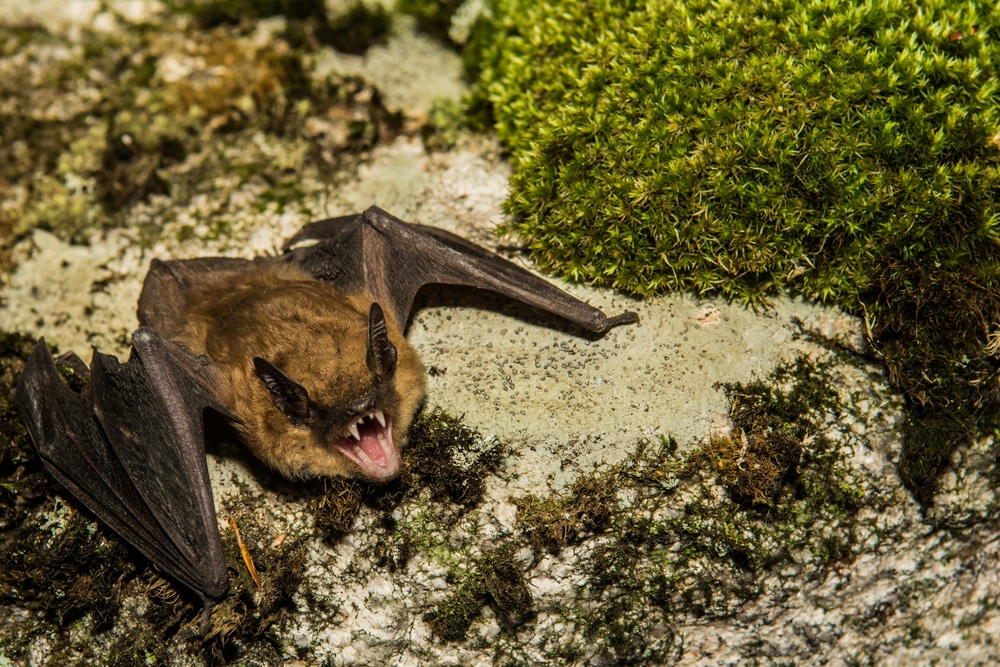
Bats help the environment by eating insects, but that doesn’t mean you want them living in your attic or inside wall cavities. Droppings, odors, and unexpected bat encounters are all signs that you need professional help. Understanding bat behavior and scheduling removal and exclusion services at the right time can help you solve the problem without harming wildlife or disrupting your household.
Get a Free Pest Control Quote
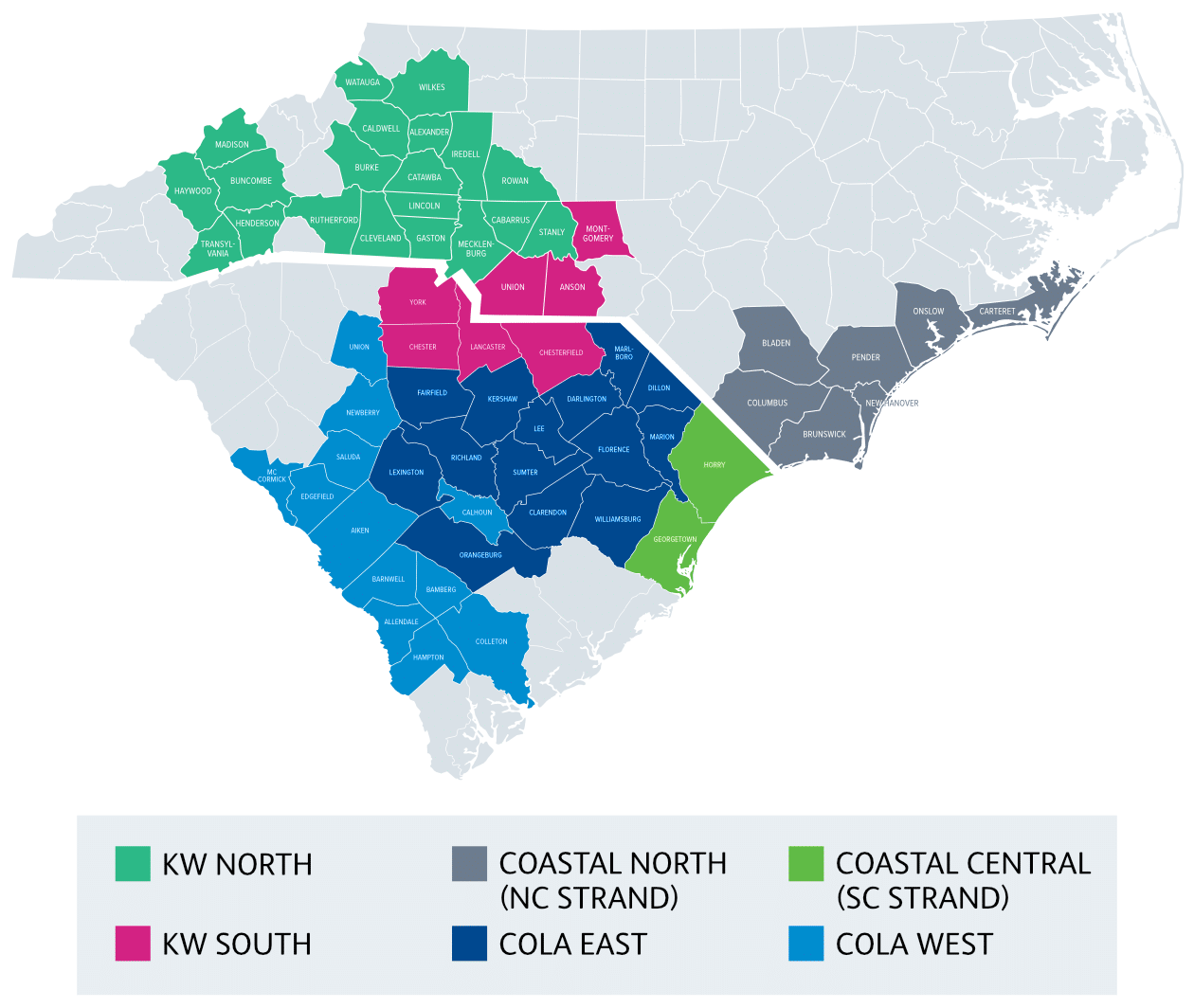
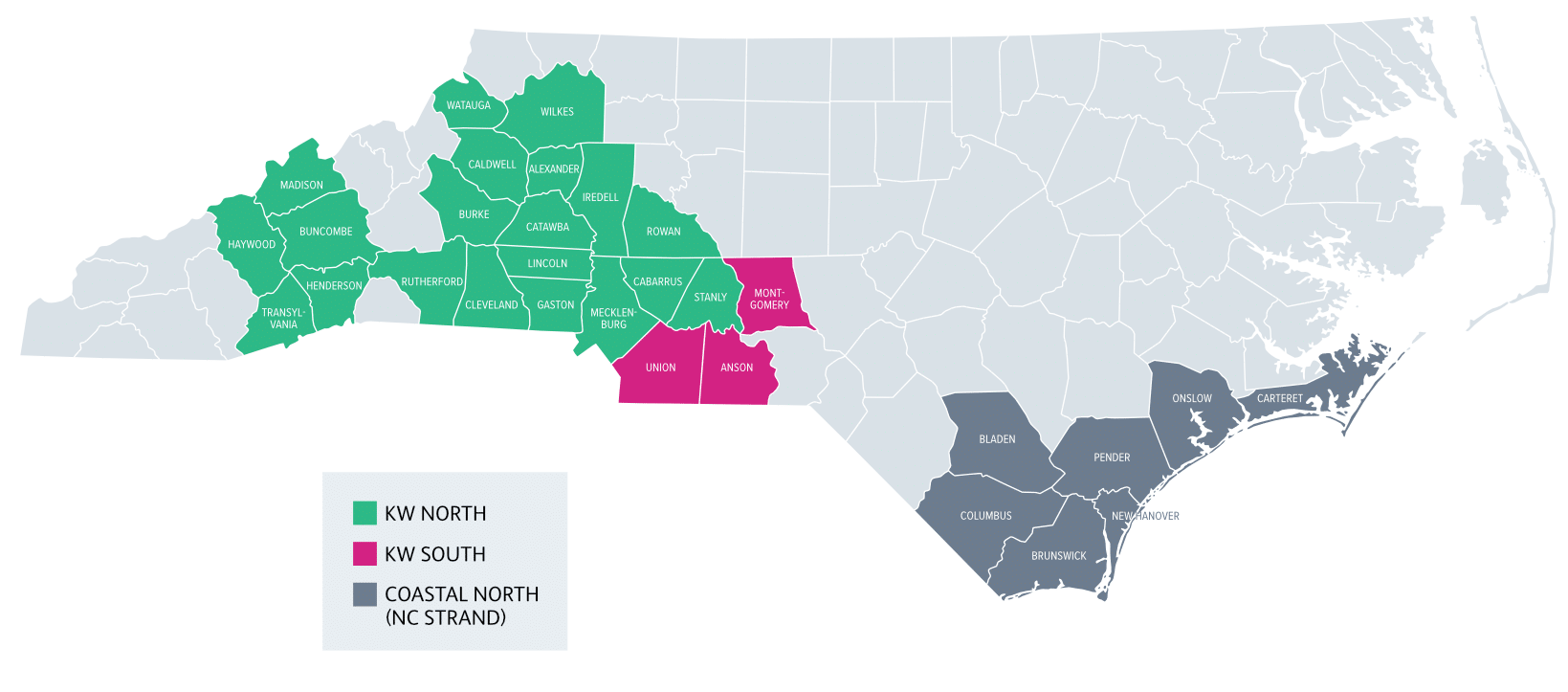
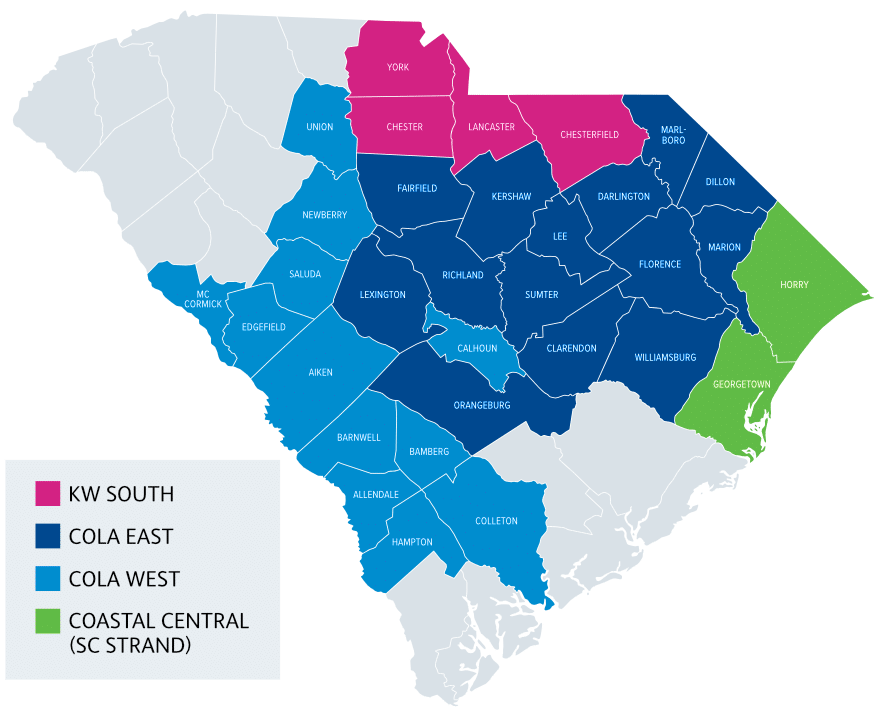
Bat Control is Available in These Regions
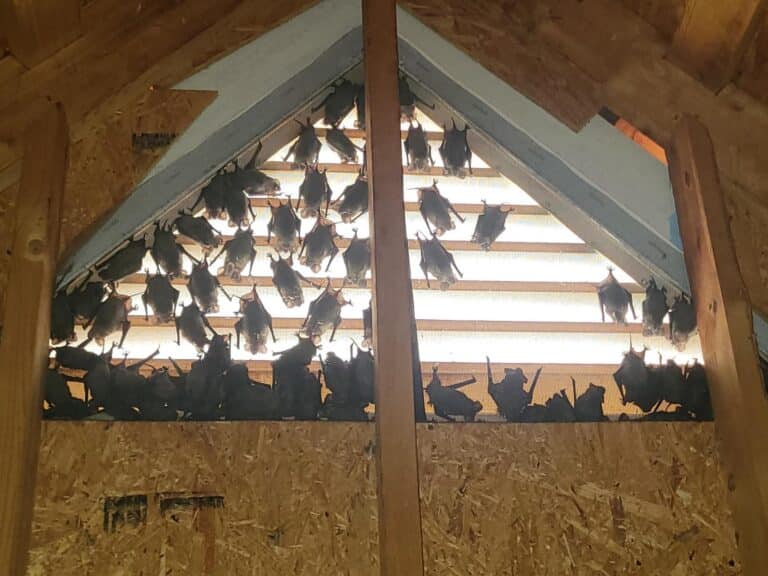
What Are Bats?
Bats are small, winged mammals that use echolocation to find food. This involves producing high-frequency sound waves and listening for their echoes. Species found in the Carolinas usually eat insects and become more active around dusk.
How to Identify Bats
Bats have large ears, furry bodies, and long fingers with wing membranes stretched over them. They’re the only mammals capable of sustained flight, so they help the environment by carrying pollen and spreading seeds. Although there are more than 1,500 bat species in the world, three of them are commonly found in the Carolinas.
Big Brown Bats
Big brown bats have broad faces, dark wings, and brown fur. They often use buildings for shelter, making them a common concern for homeowners and businesses.
Eastern Red Bats
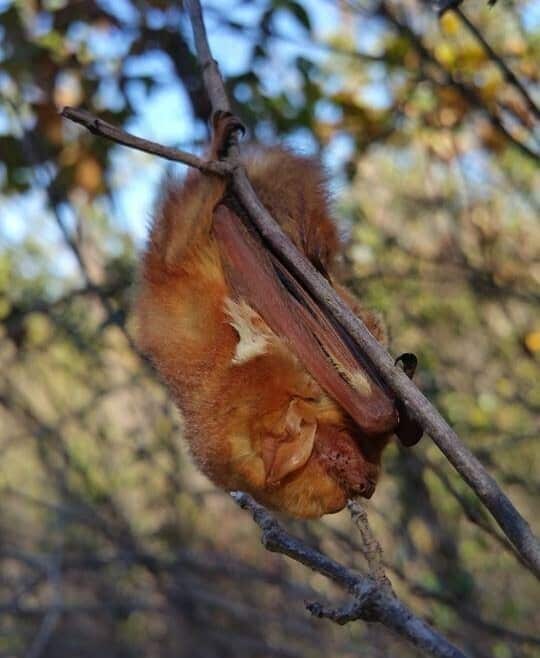
You can distinguish an Eastern red bat from a big brown bat by looking at its fur, which is reddish or rusty. This coloration is a protective measure designed to help the bats hide in foliage. Eastern red bats usually shelter in trees instead of buildings, making them less of a nuisance than other bat species.
Evening Bats
Evening bats look similar to big brown bats, but they’re smaller. They typically roost in tree cavities and buildings. Females may also live together in maternity colonies.
How Do I Get Bats?
Unlike raccoons and skunks, bats are attracted to sheltered roosts, not pet food or household trash. Keeping pet food inside or putting a lid on your outdoor garbage can won’t deter them. Gaps around rooflines, damaged vents, loose flashing, and openings behind siding can all make your home more attractive to these pests. Attics and other secluded spaces may also provide suitable shelter.
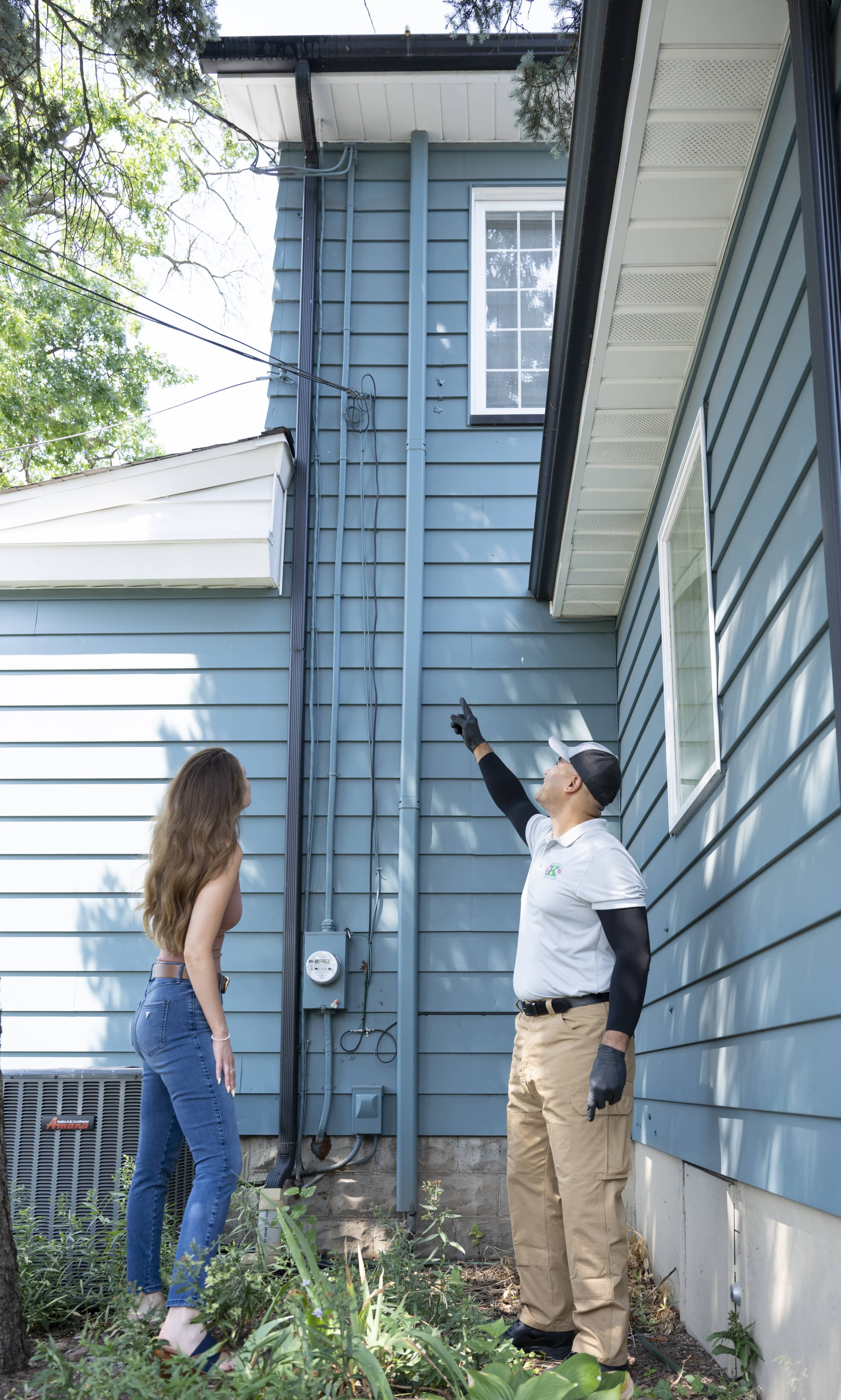
Instead of digging or gnawing their way through building materials, bats generally enter buildings via existing gaps. Seeing one bat doesn’t mean you have a problem, but repeated sightings near the roof indicate that you should call for a professional assessment.
Signs of a Bat Infestation
Common signs that bats have been using your building to roost include:
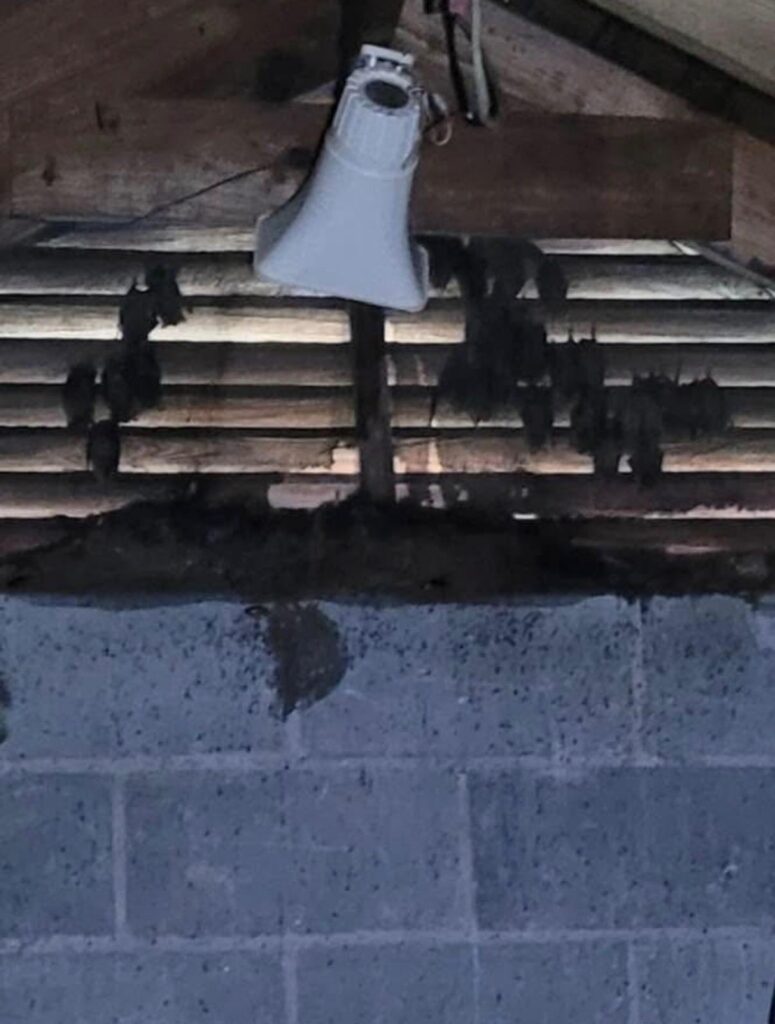
- Small droppings below an exterior entry point
- Bats repeatedly emerging from the same opening at dusk
- Dark stains around frequently used gaps
- Squeaking or rustling noises in the attic or walls
- Flattened paths through tall grass that lead to a burrow
- Unpleasant odors near an occupied roost
- Recurring sightings of live bats
What Are the Effects of Bats in and Around My Property?
Clusters of bat droppings, known as guano, create unpleasant odors and can even put your health at risk. For example, contaminated materials may release mold spores known to cause histoplasmosis. In some people, this lung infection turns into meningitis, a life-threatening condition.
Bats can also carry rabies, so you should never handle one with your bare hands. If someone in your household comes into contact with a bat, contact your local health department immediately.
How Long Do Bats Live?
The lifespan of a bat depends on the species. Some, such as big brown bats, can live for up to 20 years in the wild. Others live for only a few years, but that doesn’t mean its colony will disappear. Once bats find a safe roosting area, the colony may remain there for multiple seasons.

How Do I Prevent Bats?
One of the best ways to prevent bats from calling your property home is to check your roof and siding. Look for damaged vents, gaps in the roof edges, and other potential roosting areas. If you see signs of bat activity, don’t seal the entrance. You might trap the bats inside.
Our team can assess entry points, remove bats without harming them, and then seal the openings after confirming there are no bats remaining. Your property protection plan may also include SMART Wildlife Exclusion, which uses advanced technology to monitor your property and keep unwanted wildlife away.
Bat Exclusion During Maternity Season
Note that North Carolina has laws protecting bats during the pup-rearing period, which runs from May 31 to July 31. Young bats can’t fly right after they’re born, so excluding adults during this critical period may cause them to be trapped inside dwellings without their mothers. As a result, bat exclusion is only permitted between August 1 and April 30. South Carolina also recommends avoiding exclusion during maternity season.
Schedule Your Free Property Assessment
Contact Anticimex Carolinas for a free property assessment and wildlife protection plan tailored to your home or business. Our family of brands includes Killingsworth Environmental, Clark’s Pest Control, and Strand Pest Control, so we have a thorough understanding of local wildlife concerns and know how to remove and exclude bats in a humane way.
Frequently Asked Questions About Bats in The Carolinas
Is it safe to remove bats myself?
It’s best to have a professional remove bats from your home or business. We have specialized training that helps us handle bats safely without causing further contamination.
Do bats return after exclusion?
Bats may return after exclusion if you don’t address the conditions that attracted them to your property. Thorough sealing helps prevent bats from returning to their former roosts.
How do exclusion and removal differ?
Removal addresses bats that are already roosting in your home or business. Exclusion allows them to leave and prevents them from coming back.
When should I call a bat removal professional?
Call Anticimex Carolinas if you notice droppings or see bats repeatedly entering gaps in your roof or siding. If you come into contact with a bat, contact local health officials for guidance.