

Wildlife Control

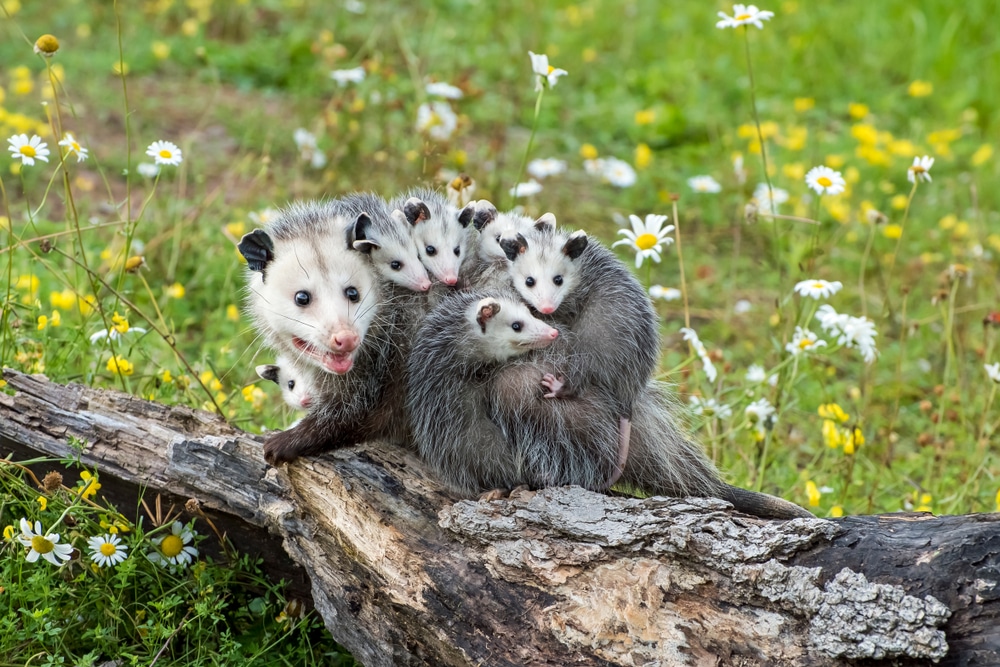
Opossum and Young

The Carolinas are home to many beautiful and interesting wildlife species. However, they can become a problem when they get too close to or inside your home, spreading bacteria and disease, damaging property, and causing stress and discomfort.   

While you may be tempted to remove wildlife yourself, health and safety risks, and even legal restrictions, make professional services the better choice.  At Anticimex Carolinas, we provide state-of-the-art wildlife removal & exclusion services to residents of North Carolina and South Carolina. Our services are safe, effective, and deliver long-term results. 

Get a Free Pest Control Quote

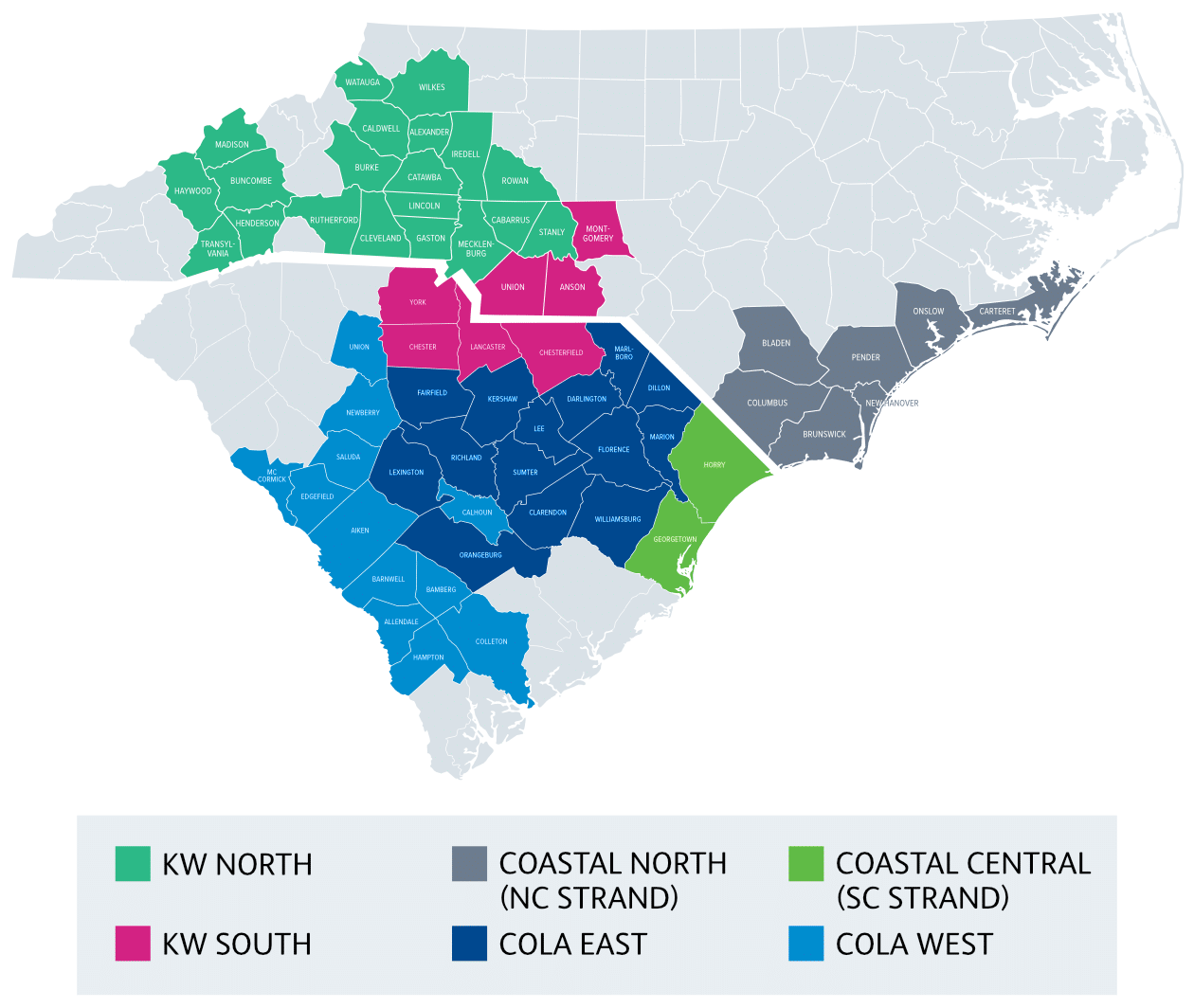
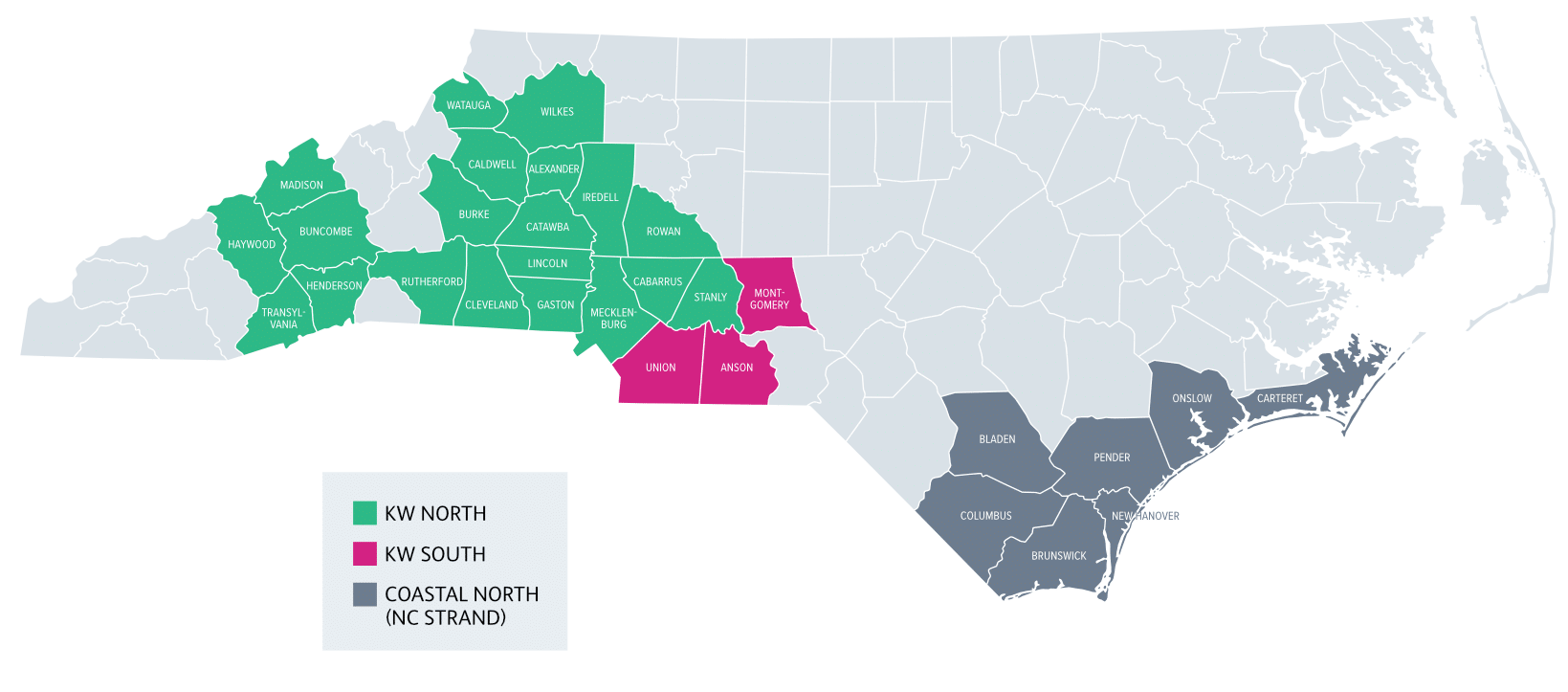
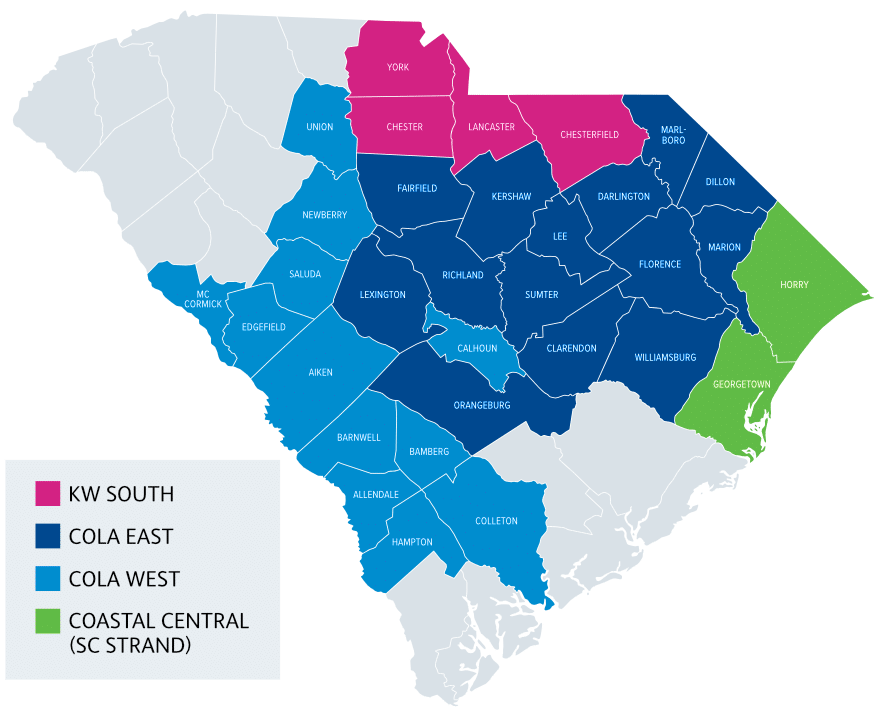
Wildlife Control is Available in These Regions

Anticimex Carolinas Wildlife Control Service Map
Anticimex Carolinas North Carolina Wildlife Service Area
Anticimex Carolinas South Carolina Wildlife Service Area

Problematic Wildlife Species Handled by Anticimex Carolinas

Our team is trained in removal and exclusion techniques for a wide range of pest species, including the following.
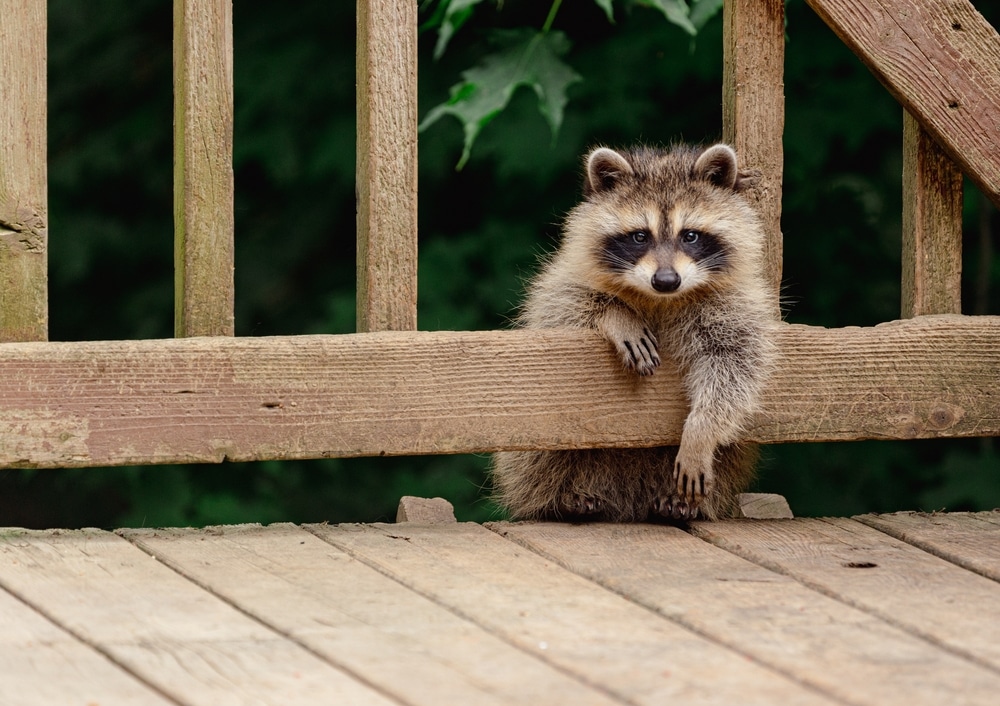
Raccoons

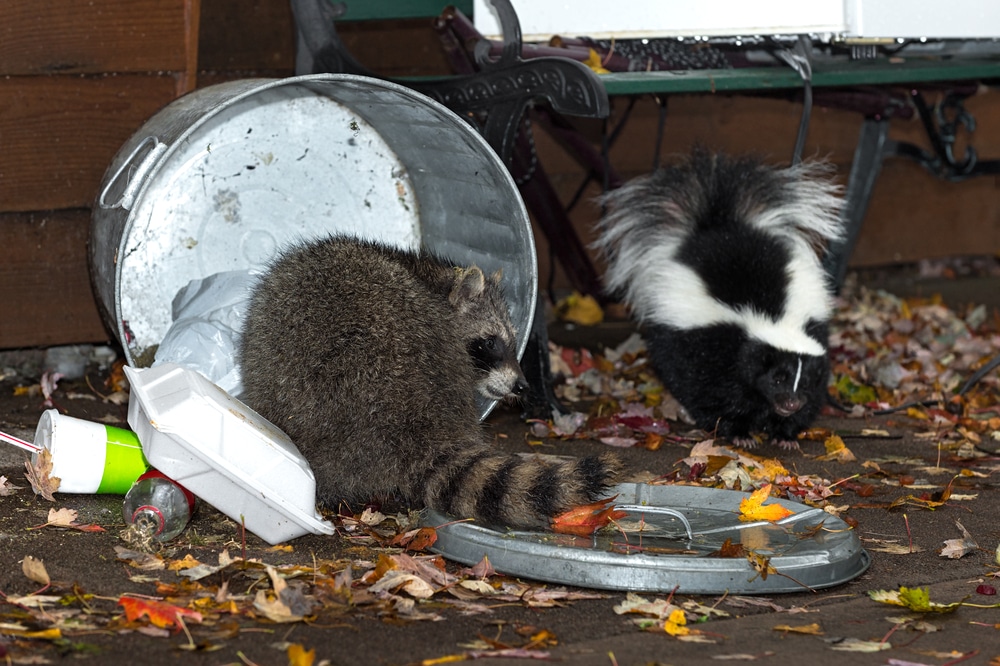
Raccoons may knock over your trash cans searching for food, spread disease, and cause widespread property damage if they get inside.

Opossums

You may discover opossums nesting in safe spaces at ground level, like under decks and porches or inside crawl spaces.

Bats

Bats are a protected species, and removal can only happen during approved periods. It is prohibited from May 1 through July 31 in North Carolina, and from May 1 through mid-to-late July in South Carolina.

Birds

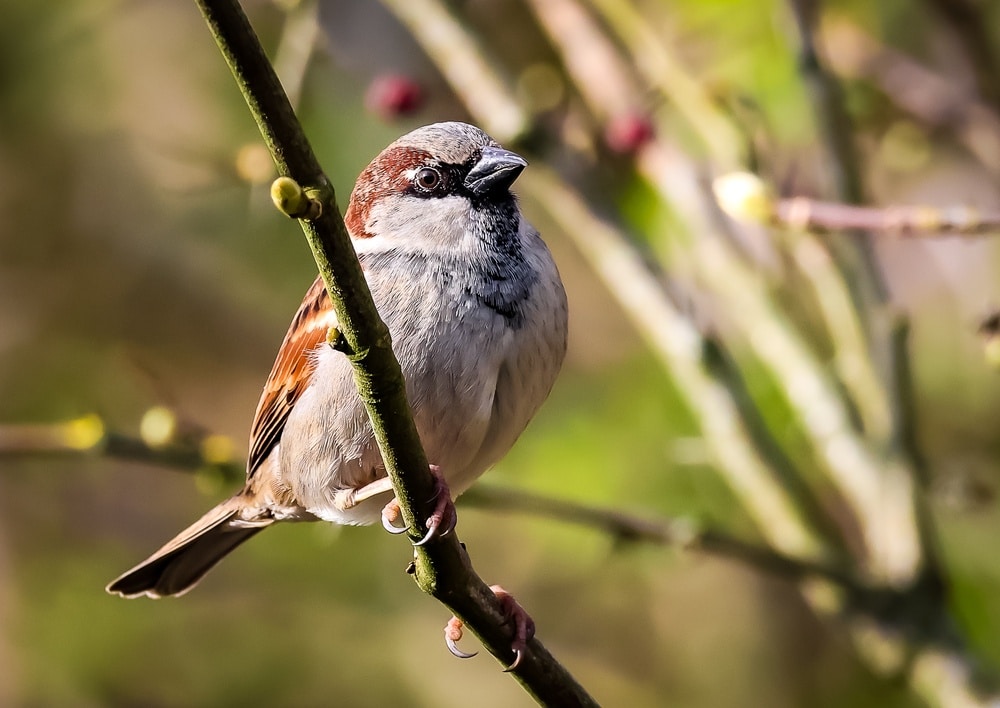
Birds like to nest in sheltered and elevated spots. You may find nests in eaves, chimneys, vents, or even porches.

Skunks

Skunks are well-known for their odor, but they can also cause damage if they nest or burrow near foundations.

Squirrels

Squirrels are a common pest that loves to invade attics by chewing through shingles and soffits. They can destroy insulation and even chew through electrical wiring, causing a fire risk.

Groundhogs

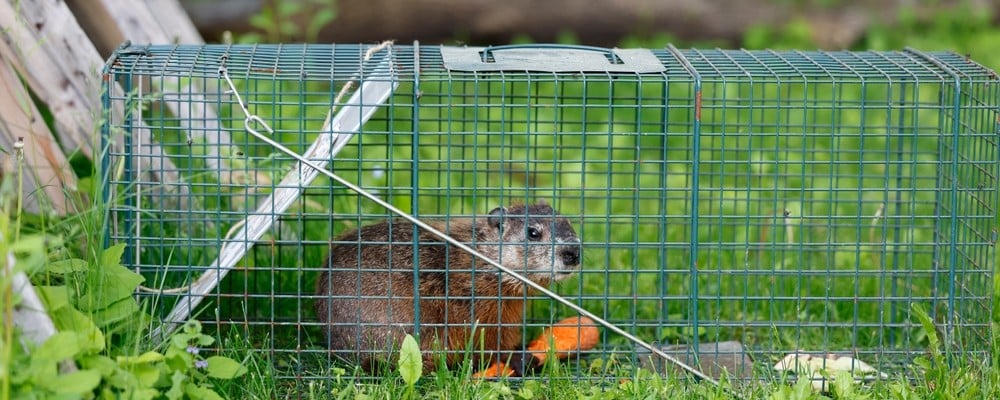
Groundhogs destroy gardens and create an extensive tunnel network in your yard, which can cause damage to foundations, decks, and walkways.

Snakes

Snakes inspire fear in many people, even the non-venomous species. They typically enter homes hunting mice or other prey and prefer damp, quiet, and dark spaces.
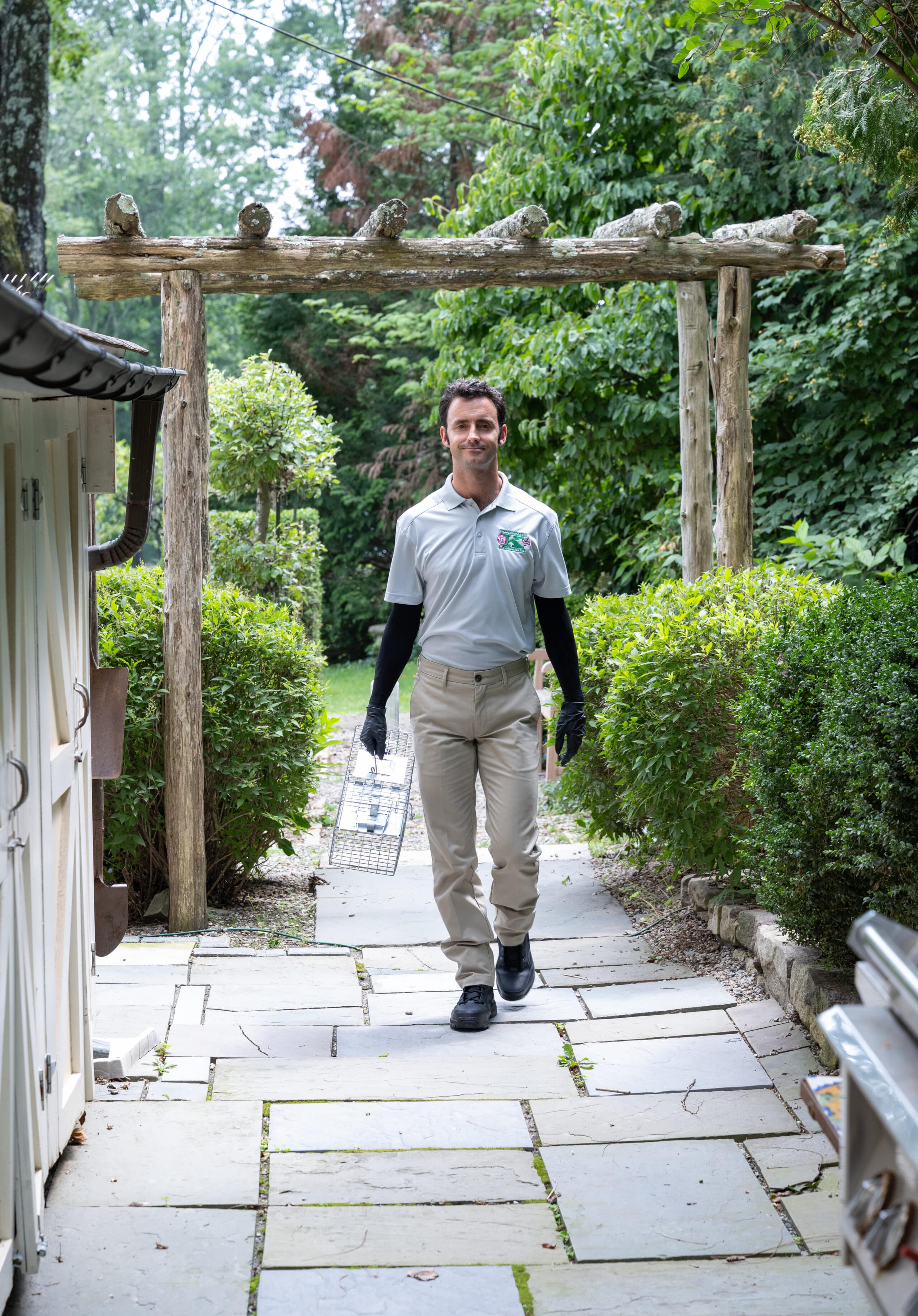
Killingsworth Technician with Wildlife Trap

Problems and Dangers Caused by Local Wildlife

There are good reasons for not wanting wild animals close to your home. Many carry diseases that can infect humans. They spread bacteria and parasites. Their droppings can lower air quality. An encounter with an animal may result in an attack that leaves you with bites or scratches that cause pain and carry the risk of infection. Many species also cause extensive home and property damage. 

Understanding What Attracts Wildlife to Homes

Animals enter yards and homes searching for food, water, and shelter. Food sources include trash cans, pet food, and fruit fallen from trees. Gaps and cracks along rooflines, vents, utility entrances, and foundations offer tempting entry points for pests to shelter away from intense heat, cold spells, or even heavy rains and inclement weather.

The spread of residential areas into fields and forests increases the risk of wildlife issues because the displaced animals must find new resources to survive. Woodpiles, yard debris, and clutter also make your property more tempting. 

Taking simple steps to keep your yard tidy and free of debris, securing trash in sealed bins, and installing fences or barriers can all help deter wildlife from making themselves at home at your property. 

House Sparrow

Where Wildlife Pests Typically Hide and Nest

Wildlife may hide out or nest in any out-of-the-way spot where they find safe shelter with access to food. Attics, crawl spaces, and wall voids offer tempting shelter for species like squirrels, bats, and raccoons. Birds may build nests in eaves, gutters, under overhangs, or in ceiling rafters. Opossums, skunks, groundhogs, and snakes prefer spaces under porches, decks, sheds, and foundations. 

Skunk and Raccoon in garbage

Signs of a Wildlife Problem

Some common signs you may have wildlife include:

Take action immediately if you notice any of these by calling a professional wildlife control company. 

Why DIY Efforts Fall Short of Solving Wildlife Pest Issues

While it may be tempting to tackle wildlife problems yourself, DIY strategies often don’t solve the problem. You may temporarily deter animals, but fail to locate nests and entry points, which means they can return. 

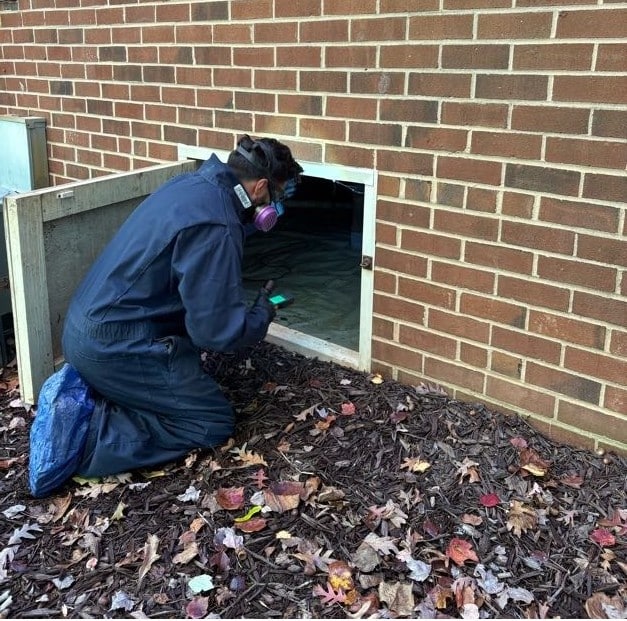
Killingsworth Pest Control Technician Prepares to Enter a Crawlspace

Benefits of Professional Removal and Exclusion

Professional services are ideal because they include a property inspection to identify all issues, removal of animals currently present, and prevention by sealing off entry points. Our experts at Anticimex Carolinas have the training and equipment to handle animal removal and exclusion safely and legally. We use the latest innovations, like SMART Wildlife Exclusion, a highly effective advanced technology that uses a system of SMART infrared sensors and traps to monitor wildlife activity 24/7 and send the data back to us so we can reposition and empty traps when needed. 

You don’t have to put up with the stress and anxiety of wildlife invading your home and causing damage, along with the threat of sickness or injury. At Anticimex Carolinas. we offer comprehensive wildlife control services customized to your needs. Contact us today to get started with a free estimate. 

Frequently Asked Questions About Wildlife Control and Removal

Can I just handle the animal removal myself?

It’s important to leave wildlife removal and exclusion to the experts to avoid injury, illness, and the possibility of continuous damage and prolonged animal presence due to missed nests, hiding spots, or entry points. 

Yes, our technicians use a combination of safe materials to seal gaps and cracks to prevent entry, and SMART technology, which provides continuous digital monitoring and non-toxic mechanical traps. 

Wildlife exclusion includes property inspection and permanent sealing of entry points to prevent recurring problems. 

Wildlife removal refers to the short-term effort of trapping and removing animals currently present in or around your home. Exclusion is a long-term strategy that blocks off entry points to prevent animals from getting inside or causing damage. 

Contact us at the first signs of wildlife activity. Our team can act quickly to resolve the problem before it escalates to greater damage and a larger infestation.