






Skunk Control

Home » Pest Library » Skunk Control
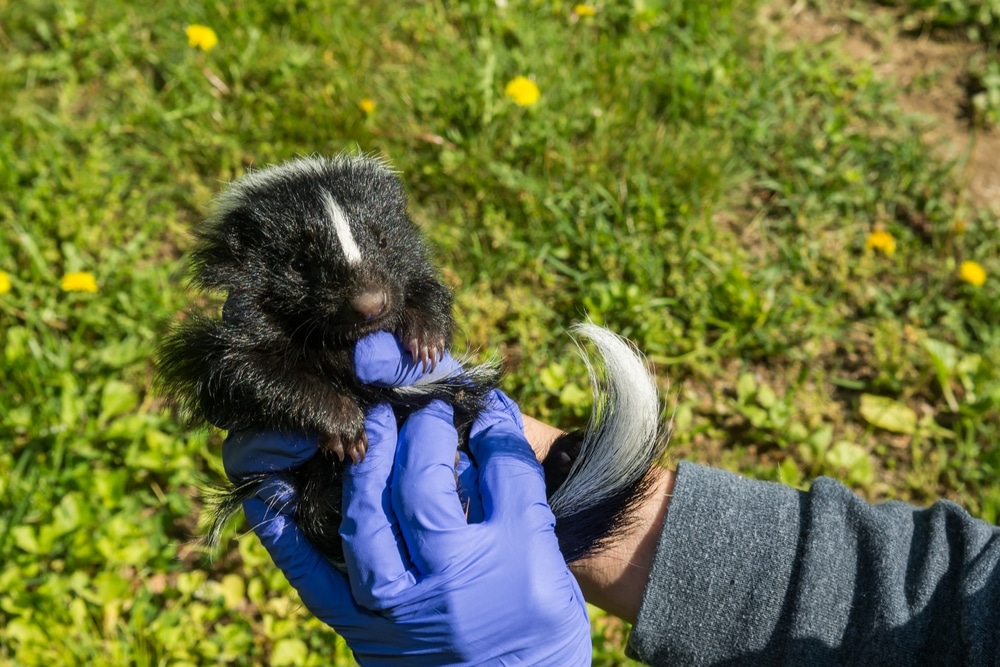
Homes and businesses in North Carolina and South Carolina know to call Anticimex Carolinas for Skunk Control, removal, and exclusion.
At Anticimex Carolinas, we use state-of-the-art techniques to help homeowners and businesses address unwanted wildlife. A skunk walking through your yard isn’t a big deal, but having one under your house, porch, deck, or shed is.
Skunks can create persistent odors, get into scuffles with your pets, or dig up your lawn while they’re searching for food. Understanding what attracts them and where they like to hide can help you spot problems early. If you have a skunk on your property, our team can assess the situation and recommend a solution.
Get a Free Pest Control Quote
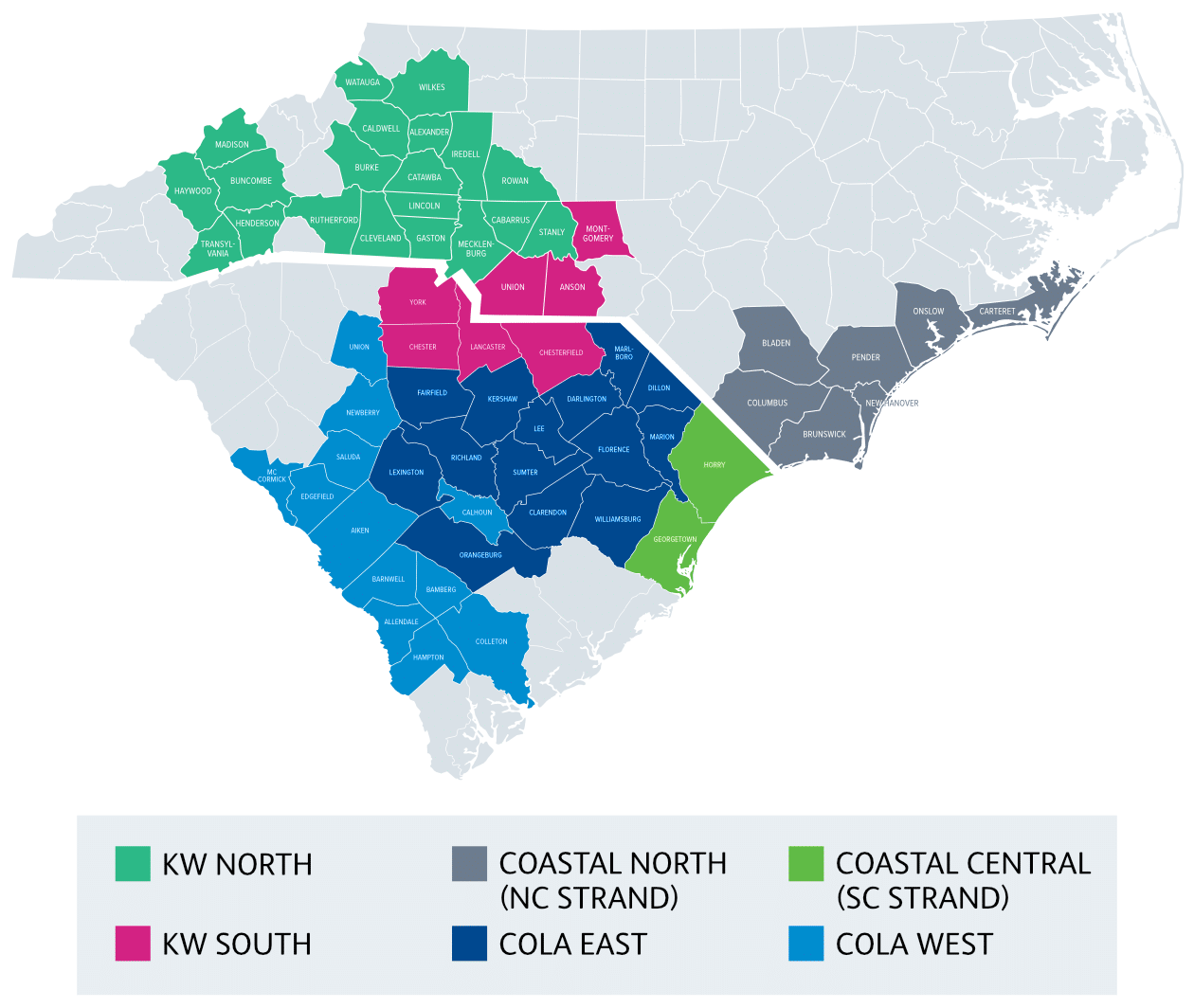
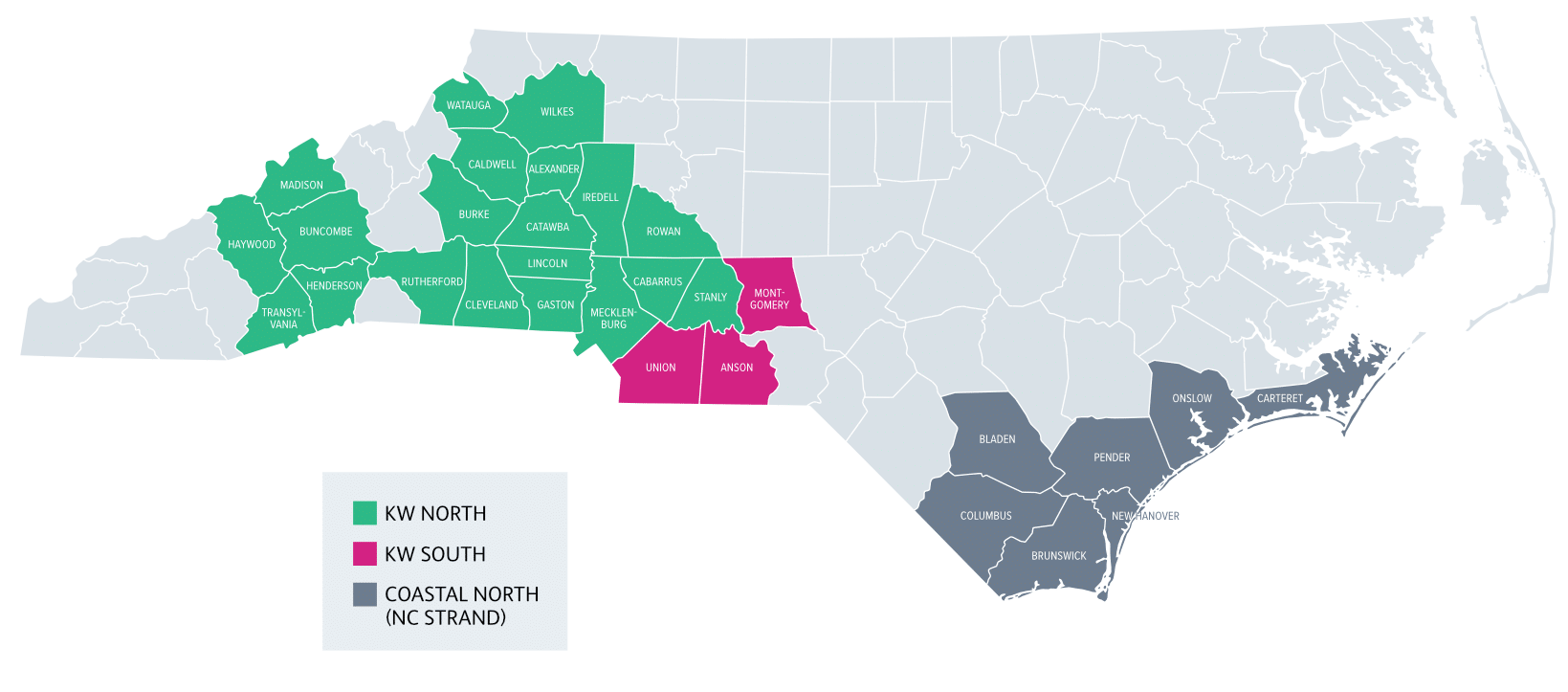
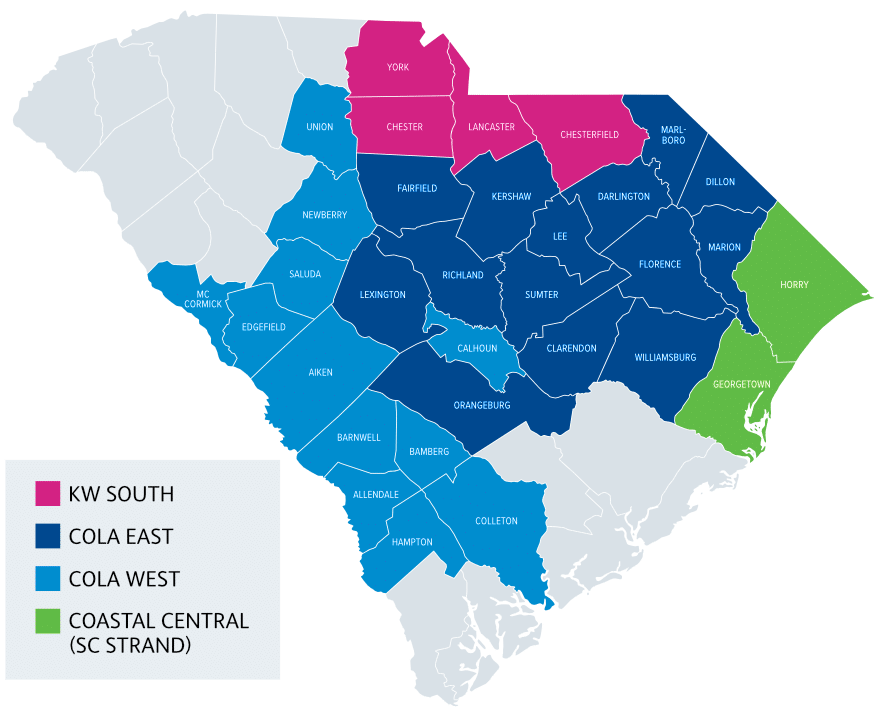
Skunk Control is Available in These Regions
What are Skunks?
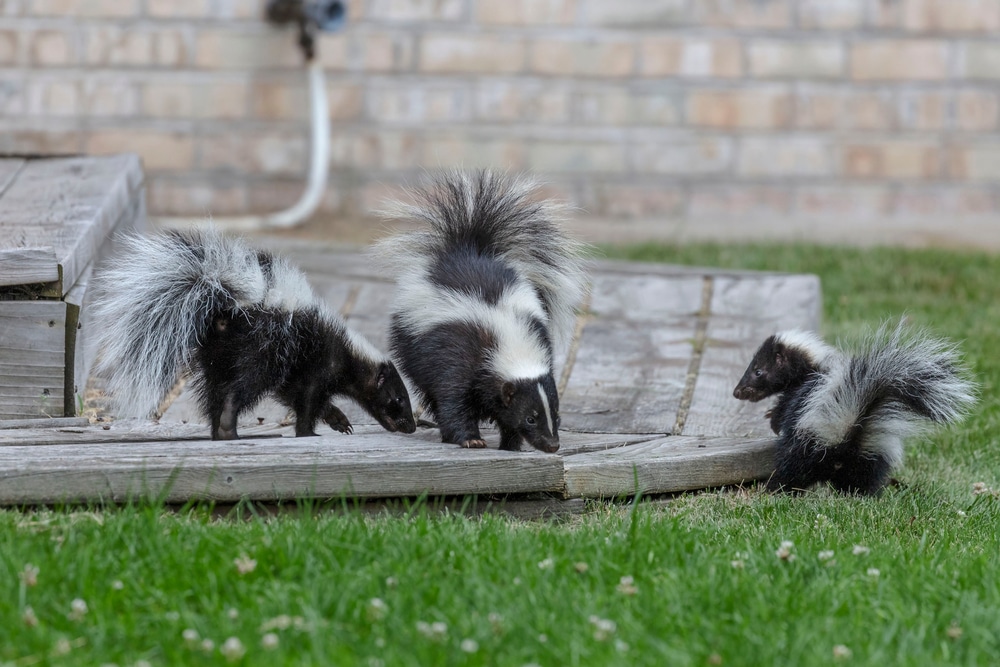
Skunks are small mammals that eat grubs, small animals, fruit, and any scraps left outdoors by humans. They’re most active at night, but you may see them during the day, especially if someone disturbs a nearby den.
Skunks normally hide under logs or in ground dens, but the space under a building, porch, deck, or shed offers similar cover, making local homes and businesses more attractive. These animals are known for releasing an intense-smelling spray any time they feel threatened.
How to Identify Skunks
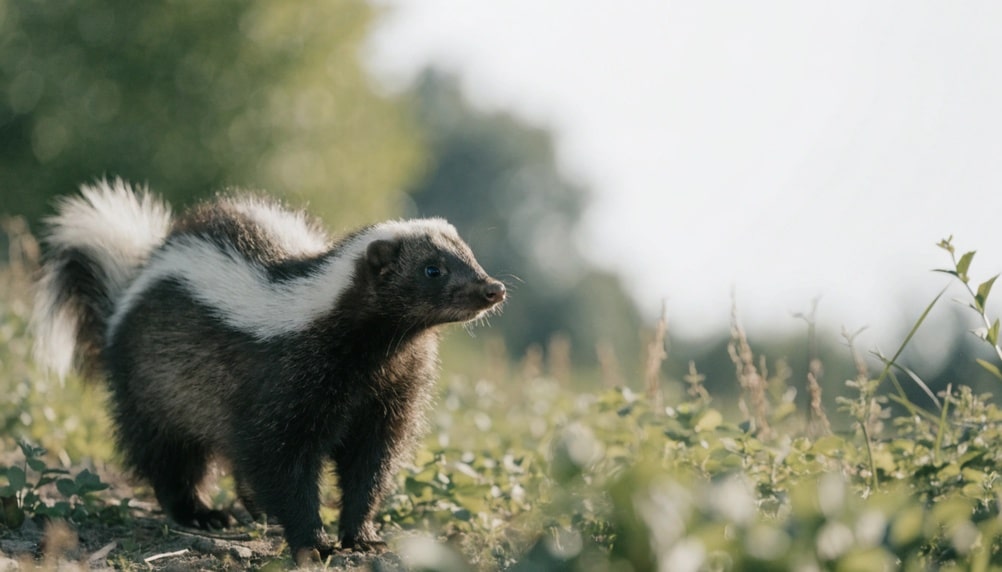
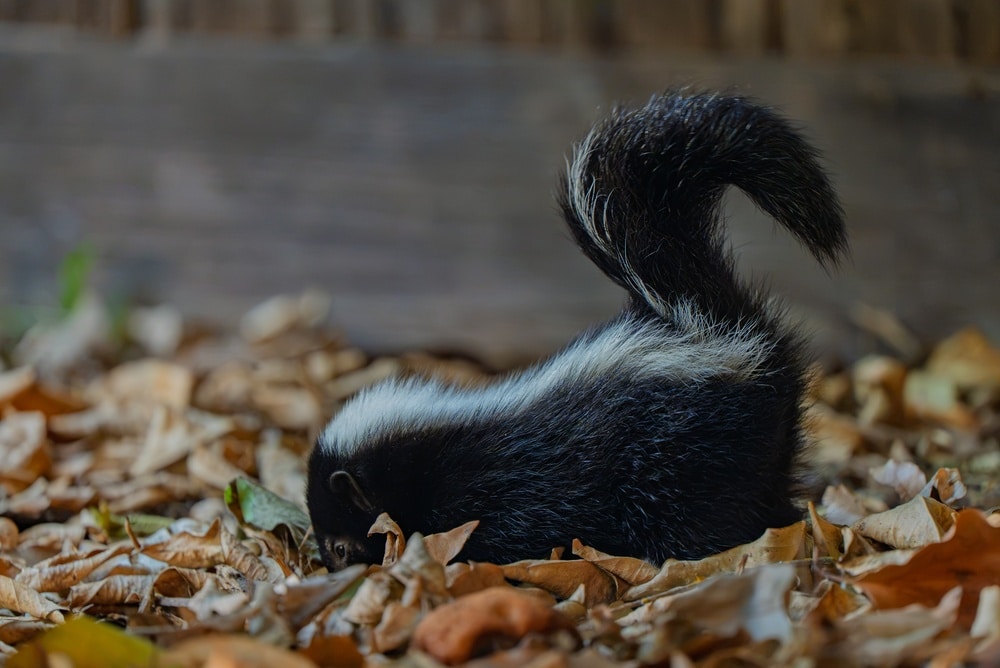
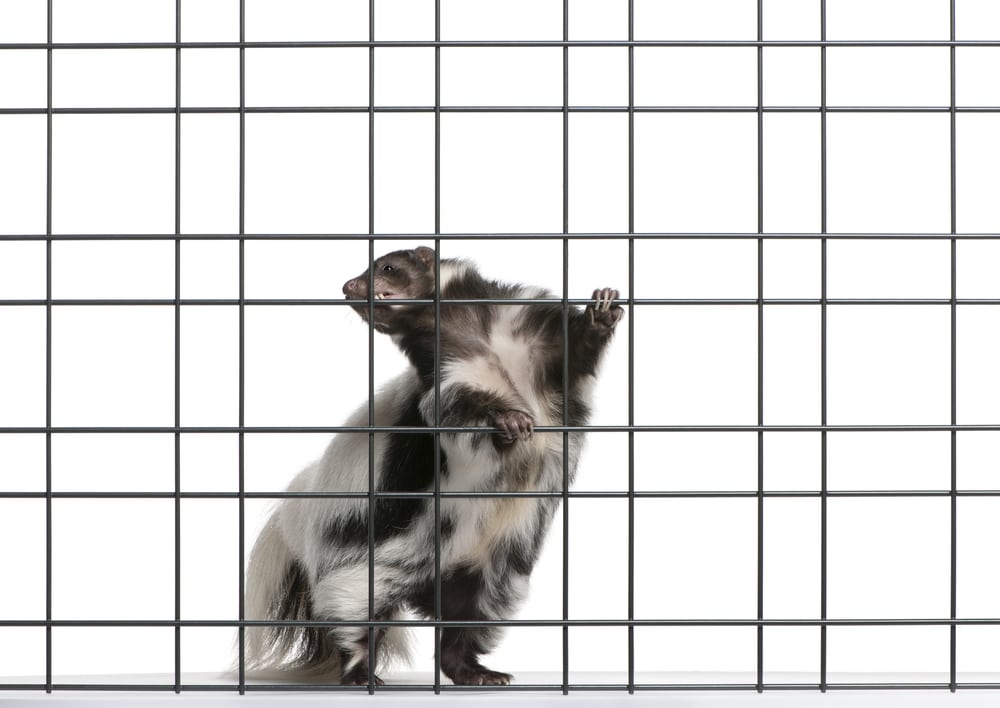
The striped skunk has black fur with white markings that typically extend from the head toward the tail. You can distinguish it from a stray cat or other small mammal by looking for a low body, short legs, and slow walk. You might see a skunk crossing your driveway after dark or sniffing the grass in search of food. No matter how calm the skunk seems, it’s important to keep your distance. Skunk spray is oil-based, so it’s difficult to remove.
How Do I Get Skunks?
Skunks need no invitation to explore a property located in North Carolina or South Carolina. Uncovered trash cans, outdoor pet dishes, and accessible spaces underneath structures can make your property more appealing. If a skunk doesn’t find enough grubs in your lawn, it may look for food sources closer to your home or business. Female skunks also need safe places to hide their young. Seeing a skunk occasionally doesn’t mean you have one living on your property, but repeated activity deserves attention.
Signs of a Skunk Problem
Odor alone isn’t the most reliable indicator of a skunk problem, so we recommend looking for patterns of activity. Watch for:
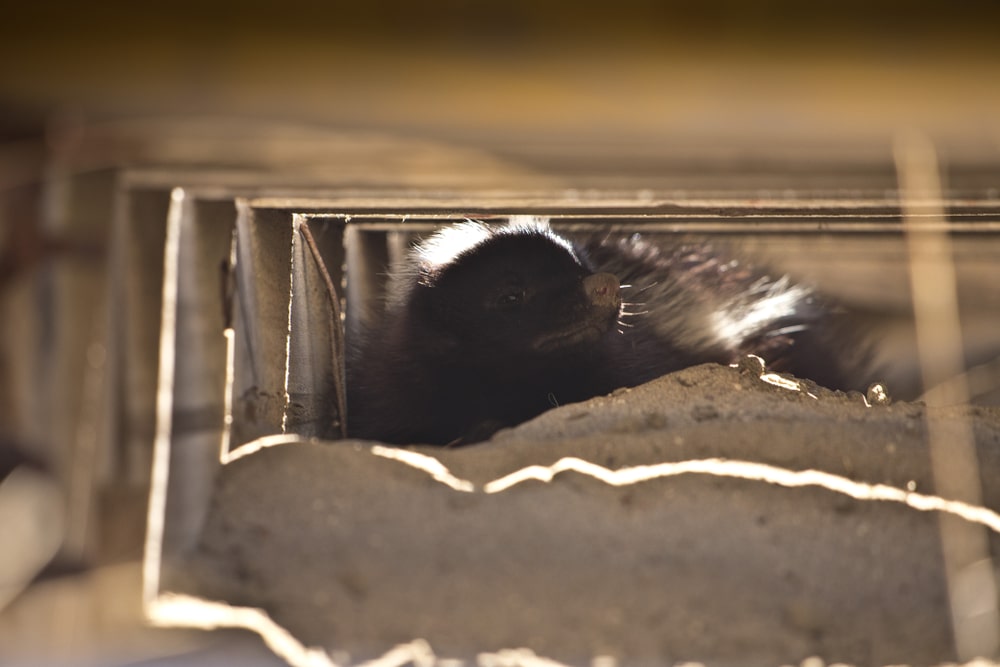
- Skunks repeatedly entering and leaving gaps beneath structures
- Small, shallow holes in your lawn
- Rustling or movement beneath sheds and other structures
- Repeated visits to trash cans
- Pet food disturbed overnight
- Fresh soil turned over near your foundation
Skunks aren’t the only pests that dig up lawns. We’ll assess your property and let you know what’s causing the issue.
How Do I Prevent Skunks?
One of the best ways to prevent skunk activity is to eliminate potential food sources. Securing garbage lids, bringing pet bowls indoors, and collecting fallen fruit can make your property less attractive to these critters. Next, check around decks, porches, sheds, and foundations for cracks, gaps, or signs of digging. If the area is empty, a properly installed barrier can prevent skunks from moving in.
If you suspect a skunk is already hiding under a structure, call for an assessment. Anticimex Carolinas offers state-of-the-art skunk removal and exclusion services for residents of North Carolina and South Carolina. We use SMART Wildlife Exclusion to block skunks and other pests without harming them.
Schedule Your Free Property Assessment with Anticimex Carolinas
If skunks have taken over your property, contact Anticimex Carolinas for a free assessment. Our team can inspect likely den sites, discuss removal options, and recommend exclusion services suited to each structure.
The Anticimex Family of brands includes Clark’s Pest Control, Killingsworth Environmental, and Strand Pest Control. Contact us today to get a free estimate and a professional plan to address the skunk activity on your property.
Frequently Asked Questions About Skunk Removal in the Carolinas
Is it safe to remove a skunk myself?
Handling a skunk increases the risk of bites, scratches, or spraying. If one takes shelter near your home, call Anticimex Carolinas for professional assistance.
Will a skunk come back after it leaves?
Skunks may return to your property if food sources or shelter remain available. Removing fallen fruit and keeping garbage contained can help prevent this from happening.
What time of year are skunks most active near homes?
Skunks visit North and South Carolina homes throughout the year, but you may notice more movement during the late winter and spring. This is when females seek protected dens for their babies.
What's the difference between removal and exclusion?
Removal addresses animals currently using your property for shelter. Exclusion focuses on closing accessible spaces after we’ve confirmed that all animals have been removed.
When should I call a professional?
Call us if a skunk repeatedly enters an opening beneath one of the structures on your property, you hear unusual noises under your porch or deck, or your pets keep encountering skunks when they go outside.