



Termite Inspections in North Carolina & South Carolina

Home » Pest Library » Termite Control » Termite Inspections in North Carolina & South Carolina
- Termites
- Termite Control & Prevention
- Termite Inspections
- Home Termite Control
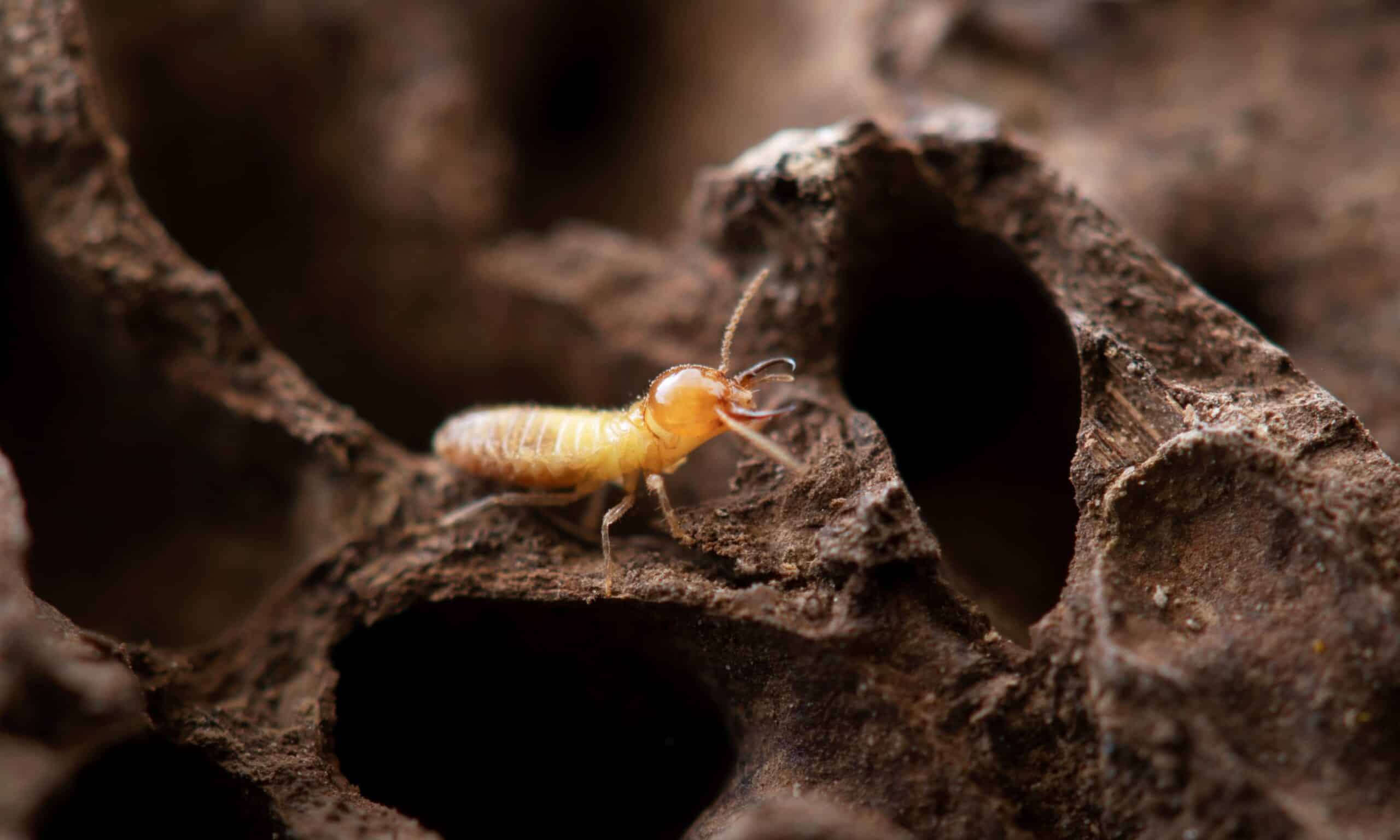
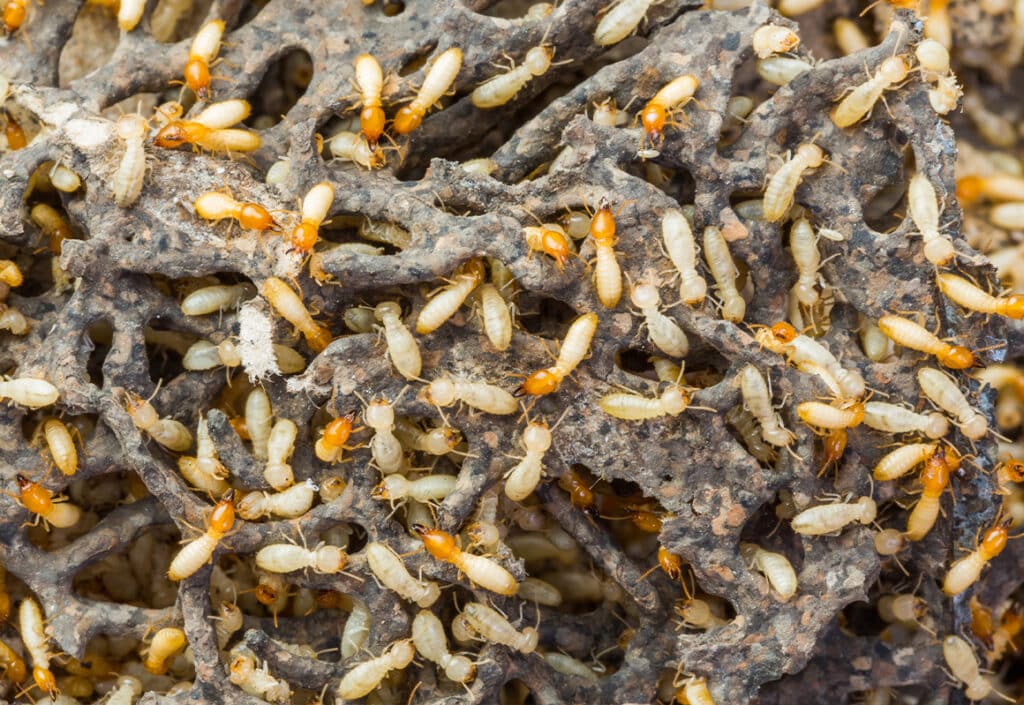
The Carolinas are home to several species of subterranean termites, including native subterranean termites and the invasive Formosan subterranean termite in some areas. These termites feed on cellulose found in wood and other plant-based materials. Cellulose is found in wood, cardboard, so termites can eat through wood flooring, structural timber, and furniture. Termites also feed on paper and other cellulose-based materials and may tunnel through some types of insulation while foraging.
For more information regarding termites, visit the following pages:
Don’t leave your most valuable investment fully vulnerable to termite infestation and damage. Get a termite inspection and have peace of mind. Whether you’re buying, selling, refinancing, or if you need to ensure your home stays protected from termites, Anticimex Carolinas has got you covered!
Click on the option you’d like to learn more about below:
Get a Free Pest Control Quote
The Importance of Termite Inspections
Termites cause $5 billion to $20 billion worth of damage to U.S. homes every year. Early detection prevents termites from eating through your home’s floors, walls, and structural elements, minimizing remediation costs. If you’re buying a home, a termite damage inspection can help you avoid spending hundreds of thousands of dollars on a property that has structural issues due to termite activity.
Many people don’t realize that homeowner’s insurance doesn’t cover termite damage. Getting regular inspections can help you avoid major repair bills that aren’t covered by your insurance policy. Your HOA may even require that you hire a termite inspector to look for signs of an infestation.
What's Included in a Termite Damage Inspection?
For your peace of mind, Anticimex Carolinas performs thorough inspections. We’ll have a termite inspector look for termite-damaged wood, mud shelter tubes, discarded wings and other evidence of termite activity. In areas where drywood termites occur, inspectors may also look for fecal pellets (frass) and small kick-out holes.
A termite inspection focuses on common entry points, such as foundations, basements, and crawl spaces. Each species behaves a little differently, so it’s important to work with an inspector who’s familiar with the most common species in Charlotte and the rest of the Carolinas. For example, the Southeastern drywood termite feeds on the cellulose found in dry wood, so they require no contact with soil. This makes attics and eaves especially vulnerable. Also, the Formosan Subterranean Termites can build arial carton nests which also do not need to make contact with the soil and can infect attics and ceilings.
We’ll also check the following:
- Windowsills
- Door casings
- Baseboards
Is It Expensive to Get Rid of Termites?
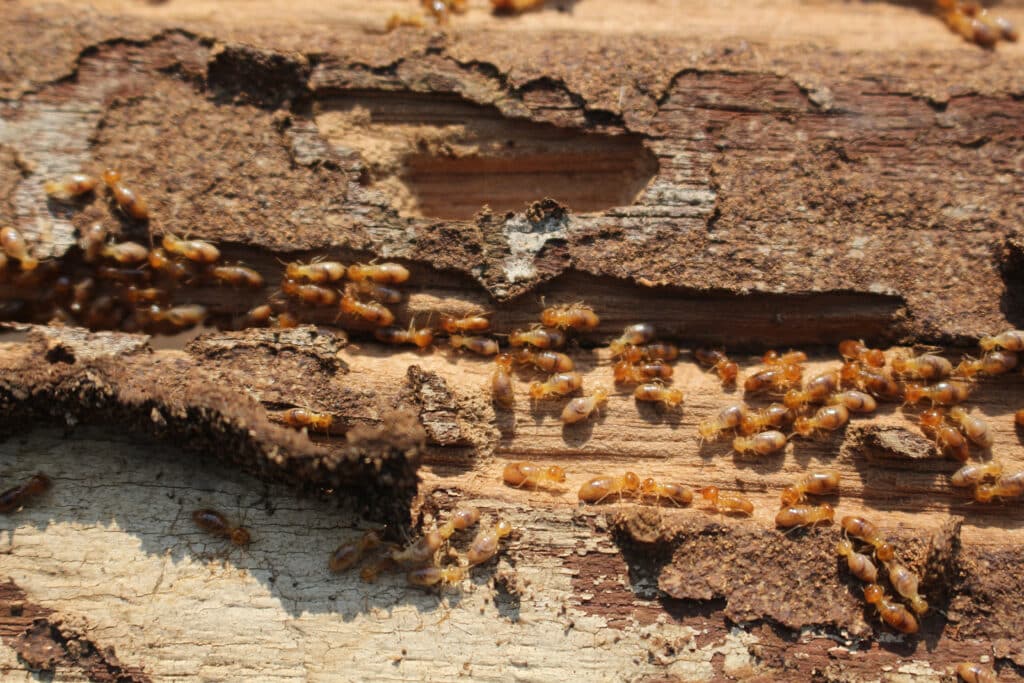
The cost of getting rid of termites depends on how early the infestation is caught, the size of your home, and the type of treatment used. When termites are detected early through a routine inspection, treatment is typically far less expensive than repairing extensive structural damage later. In most cases, the cost of professional termite control is nearly negligible compared to the potential cost of replacing damaged floors, walls, framing, or roofing.
Anticimex Carolinas focuses on cost-effective, long-term solutions. By combining inspection, monitoring, bait systems, and targeted treatment, we help you control costs while thoroughly addressing the infestation. In other words, it is far more affordable to invest in inspection and treatment now than to pay for major repairs after termites have been active for years.
Preparing for a Termite Inspection
We’ll do everything in our power to identify early signs of termite activity. It’s easier to spot an infestation if you take the following steps before we arrive:
- Trim any tree branches that are touching your house
- Move items that are blocking your crawl space or making it difficult to access the attic
- Move boxes, furniture, and other items from your patio or storage area
- Move items away from the walls in your garage
A few simple adjustments can help us perform a thorough termite inspection.
Next Steps
If you decide you want termite protection we’ll place Sentricon® bait stations in strategic locations around your home. Each station contains Recruit® HD termite bait which is designed to be shared within the colony and can eliminate subterranean termite colonies as part of the Sentricon® Colony Elimination System. The system is monitored and serviced as an ongoing termite-protection program. Once we install the bait stations, termites can start feeding, eliminating termites quickly. Best of all, there’s no need to worry about harmful residue.
Annual Termite Inspection
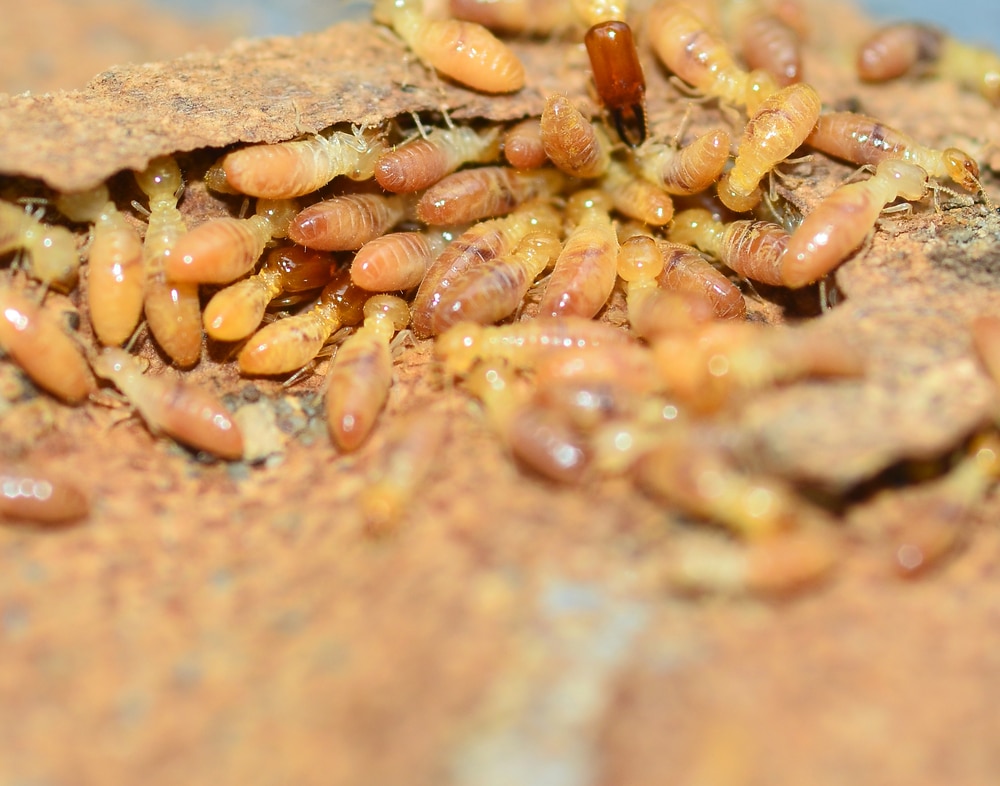
Termite activity and damage often occur in places you rarely go, such as your crawlspace or along your foundation walls. It can be a hot spot for termites, insects, rodents, and other pests that can creep in. Along with the high termite pressure in the Southeast, an annual inspection by a certified termite professional can ensure termite activity is caught before the damage becomes costly. A thorough termite inspection includes a visual inspection around the foundation, crawlspace, garage, and perimeter of your home, as well as moisture checks and problems conducive to termites. You can trust us to give you peace of mind knowing that you are protected from termites year-round.
Termite Letters

Commonly referred to in South Carolina as a “termite letter,” the CL-100 is the Official South Carolina Wood Infestation Report. It documents visible evidence of termites and other wood-destroying organisms in accessible areas and, within the form’s specified scope, wood-destroying fungi. The report is valid for 30 days. In North Carolina, the official form is the Wood-Destroying Insect Information Report (Form WDIR 100). In Georgia, the form is the Official Georgia Wood Infestation Inspection Report (WIIR).
How It Works
The purpose of termite letters is to document the results of an inspection by the pest control operator.
Why It's Important
- Banks may require homes to be inspected for damage before they loan any money
- Often, any termite letter findings may leverage your negotiation on the ales price if issues are found
- As a seller, ordering a termite letter can help avoid any surprises when you get the contract
Schedule Your Free Property Assessment with Anticimex Carolinas Today!
Your home or commercial building is too valuable to rely solely on do-it-yourself termite products. Get in touch with Anticimex Carolinas for comprehensive termite inspections and termite reports in North Carolina and South Carolina.
Frequently Asked Questions
What are the signs that I need a termite inspection?
Common warning signs include mud tubes along your foundation, discarded termite wings, hollow-sounding wood, bubbling or peeling paint, sticking doors or windows, and visible wood damage. However, termites can remain hidden for long periods, so you may need an inspection if you haven’t noticed any obvious signs.
Should I get a termite inspection if I see flying termites?
Yes. Flying termites, also called termite swarmers, can indicate that a mature termite colony is nearby. If you notice swarmers or piles of discarded wings around your home, particularly on your windowsill, scheduling a professional termite inspection can help determine whether termites are present.
Can I have termites even if I don't see any?
Yes. Termites often live underground or inside wood, allowing an infestation to develop without obvious signs. A professional termite inspection can help uncover evidence of activity that homeowners may otherwise overlook.
Can termites come back after treatment?
Termites can potentially return if a property remains vulnerable to infestation. Ongoing monitoring, routine termite inspections, and professional termite protection can help identify new activity and reduce the risk of future termite problems.
Should I get a termite inspection before renovating my home?
A termite inspection can be helpful before a major renovation, especially when the project involves walls, flooring, foundations, or other wooden structural components. Discovering termite activity or damage beforehand can help prevent unexpected problems during construction.
For more information regarding new construction, visit our builders page.