




Termite Control & Prevention Services in North Carolina & South Carolina

Home » Pest Library » Termite Control » Termite Control & Prevention Services in North Carolina & South Carolina
- Termites
- Termite Inspections
- Home Termite Control
- Commercial Termite Control
Many homeowners don’t realize that termite damage to their property is not covered by their homeowners’ insurance policy, resulting in over $6.8 billion in damages each year. In the southeast, one acre of land can contain up to 14 termite colonies! A proper Termite Protection plan is vital for protecting your home from an unwanted, often unseen termite infestation.
At Anticimex Carolinas, we take termite protection very seriously. With an estimated 5 million homes affected by termites every year in the US, it’s our job to make sure your home is not one of them.
Get a Free Pest Control Quote
Termite Prevention: Our Step-By-Step Process
Our process for preventing termites is based on science. Termites are devastating pests that can destroy your home’s structure if left unchecked. Avoid costly repairs or complete destruction by calling the experts to assess your property and eliminate your termite problem before it gets out of hand. Here’s how our termite control process works:
Initial Inspection
First, we’ll thoroughly inspect your residence and property for signs of termite activity, conduct a termite damage assessment, and identify conditions conducive to termite infestations.
Sentricon® Always Active Termite Bait Station Installation
Experienced termite control professionals will strategically place termite bait stations in the soil around the home. Each station contains Recruit® HD termite bait, with noviflumuron as the active ingredient. The bait is immediately available to foraging subterranean termites. As termites feed on the bait, the active ingredient is carried through the colony and disrupts termite development, resulting in colony elimination. The Sentricon system provides ongoing subterranean termite protection without the need for a conventional liquid termiticide barrier around the structure.
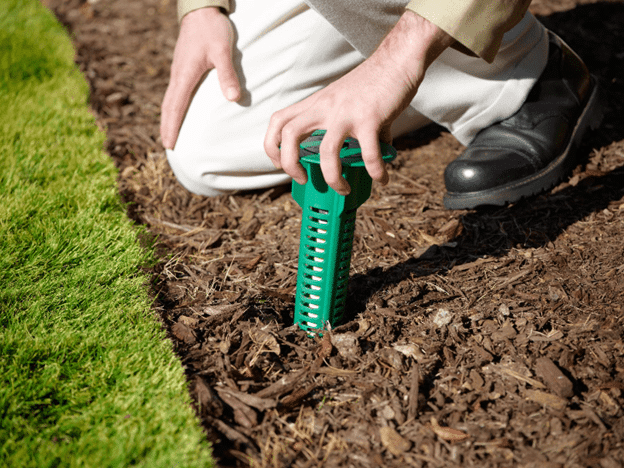
Annual Monitoring for New Termite Activity
We will continue to monitor the Sentricon® System with Always Active™ to protect your home against future termite infestations and replenish bait as needed to ensure no lapse in protection.
Identification of Termite-Conducive Conditions
During our inspections, we identify any issues that may affect the success of your termite protection plan. This includes an inspection of the exterior perimeter, garage, and interior on slab homes, or the crawl space on homes with a crawl space. Identification of poor moisture control and untreated wood in ground contact is an important factor to consider.

Why Termites Pose a Serious Threat in the Carolinas
Termites wreak havoc on homes and businesses across the Carolinas, causing extensive damage to properties in North Carolina, South Carolina, and beyond. With their insatiable appetites, termites target a wide range of materials, relentlessly devouring until either their food source (AKA your property) or the colony is eliminated. Safeguarding your home or business in North Carolina, South Carolina, or neighboring areas from these destructive pests requires understanding their behavior, implementing preventive measures, and exploring effective termite treatment options for potential infestations.
Understanding the Origins of Termites in the Carolinas
Termites typically emerge from the ground, nearby trees, or shrubs. Many species reside underground, tunneling until they find a suitable food source. To effectively eliminate termites on your property, it’s crucial to target not only the home but also areas around the lawn and landscaping exhibiting signs of termite activity.
Recognizing the Signs of a Termite Infestation
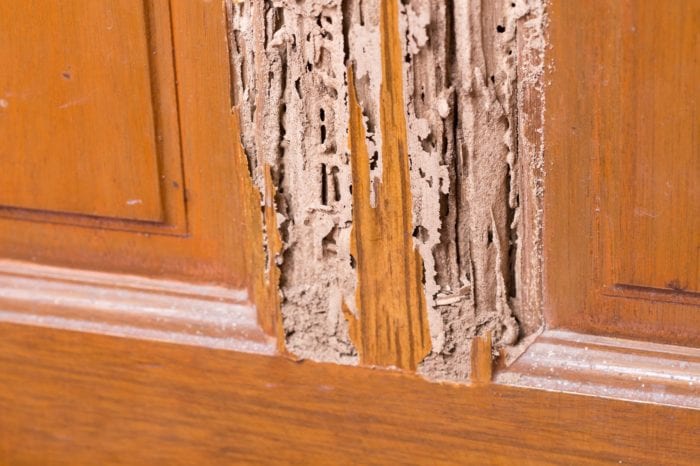
Termites make their presence known in distinctive ways. Soldier termites signal danger by head-banging, sometimes resonating within walls. Termites often remain hidden. Common warning signs can include termite swarmers or discarded wings, mud tubes, damaged wood, and wood that sounds hollow when tapped.

Hollow or paper-like textured wood is a common indicator of termite infestation. Termites consume wood from the inside, leaving the outer surface intact. A hollow sound when tapping the area suggests termites may be burrowing inside.
Termites leave behind frass, or droppings, as a telltale sign. Drywood termites may leave behind small, hard fecal pellets called frass. They eject these pellets through temporary ‘kick-out’ holes, and small piles of frass near infested wood can be a sign of drywood termite activity.
Potential Dangers of Termites in the Carolinas
Termites thrive in the warm and humid climate of the Carolinas. Once these pests enter your home, they quickly multiply and can cause thousands of dollars in damage. When an infestation is discovered, no one should delay getting a termite treatment.
Termites feed primarily on cellulose-containing materials such as wood and paper products. They may sometimes penetrate certain non-cellulose materials while foraging, but those materials are not food sources. Structural wood near foundations, wall framing, floor systems, and roof framing can all be vulnerable to termite damage.
Signs of Termite Damage
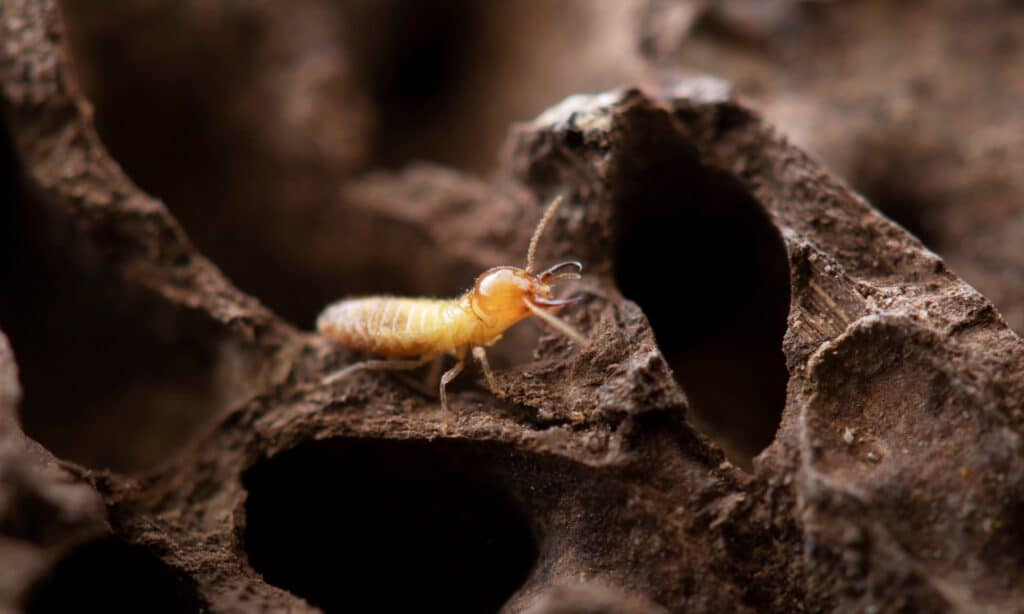
The most common termites found in the Carolinas are Eastern Subterranean, Drywood, and Formosan termites.
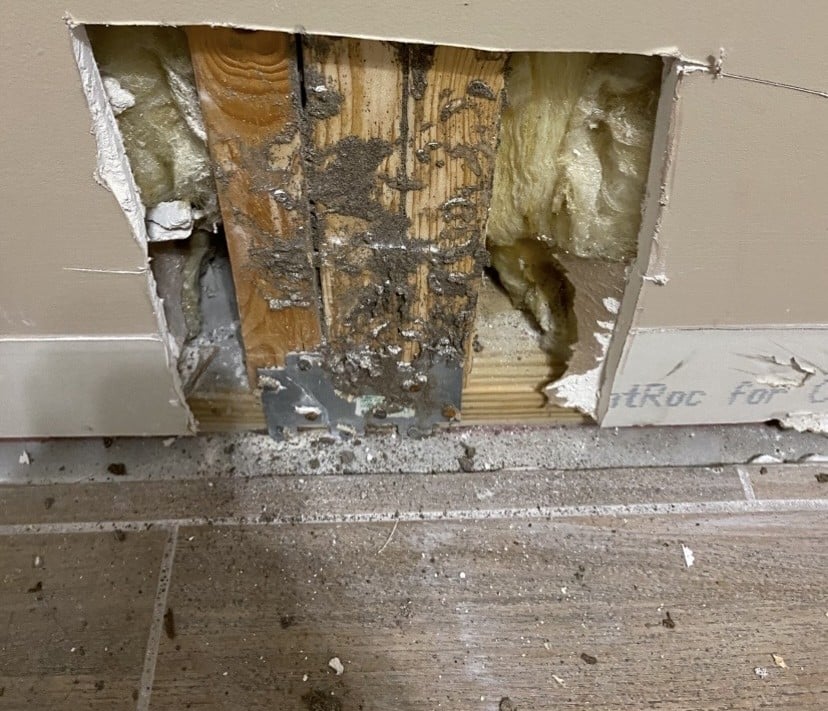
Eastern Subterranean termites live underground and often cause damage that resembles water damage, such as swelling of ceilings and floors, and buckling of wood. They also cause a mildew or mold scent. You may notice damaged cabinets and furniture, visible mazes within the furniture or your walls, or mud tunnels near your home’s foundation. Other signs that may indicate the presence of termites include:
- Small holes in drywall
- Gaps in floorings
- Peeling paint
- Clicking noises from termite jaws eating through wood and other materials
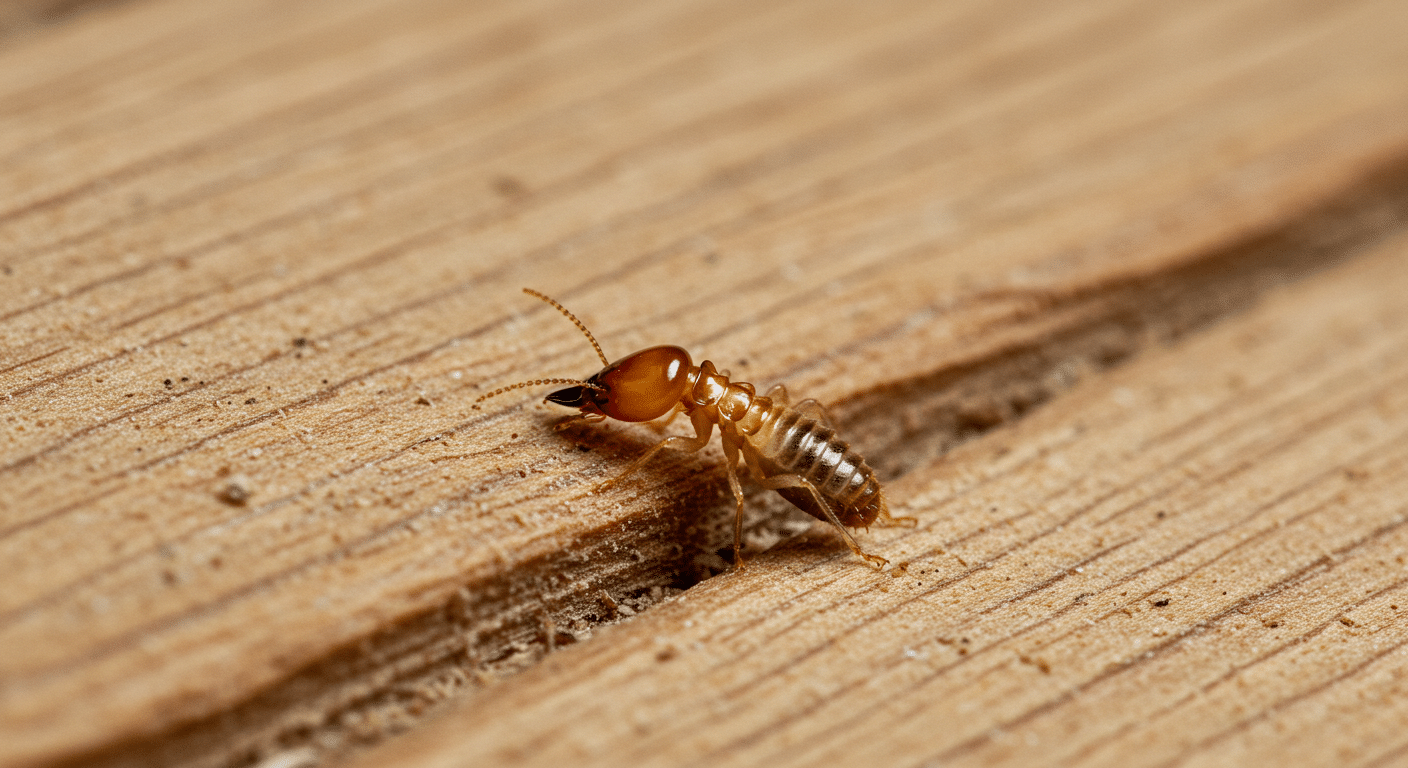
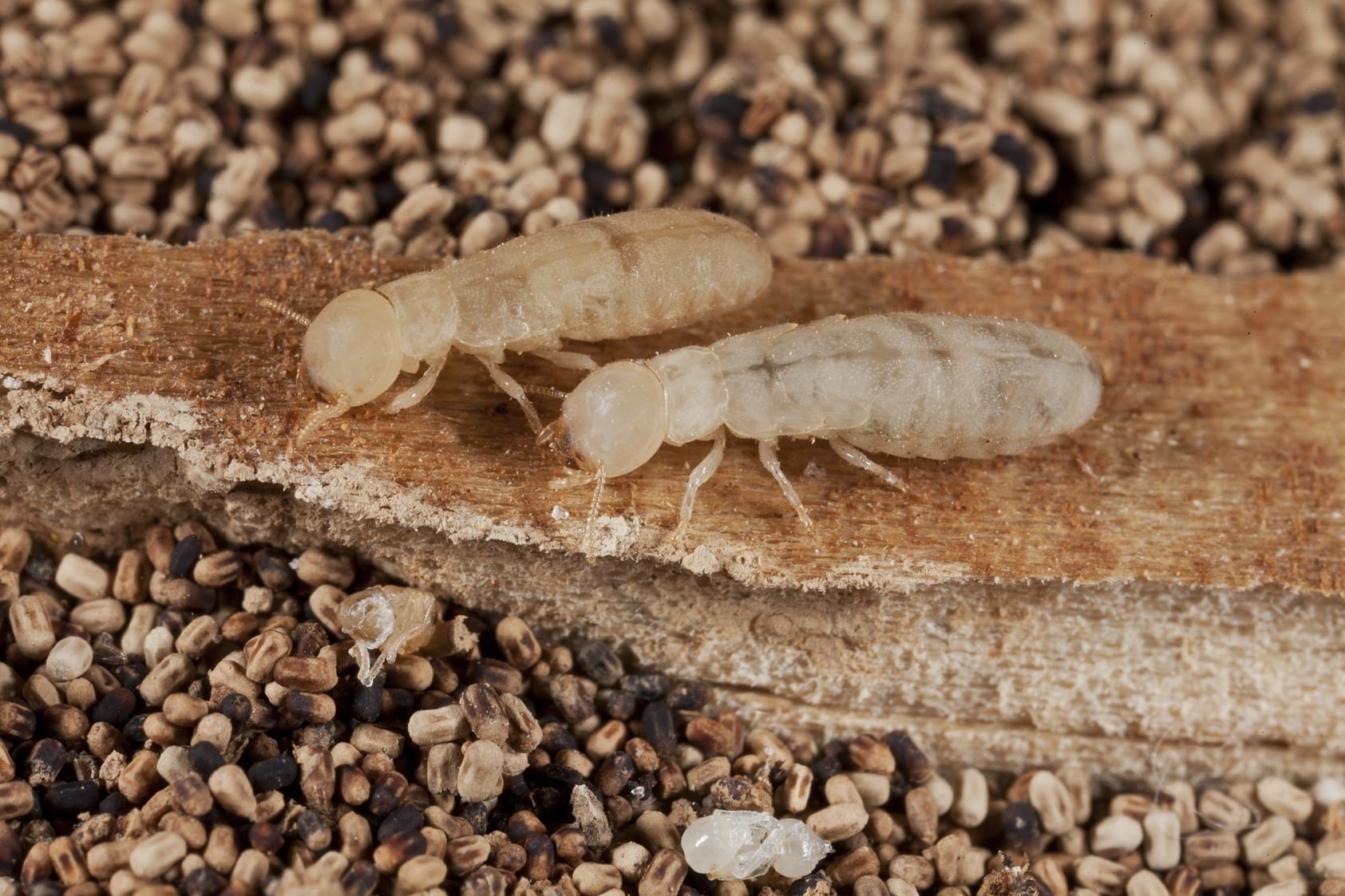
Drywood termites live within wooden structures, such as furniture and inside walls. They chew through wooden structures, creating tunnels and chambers that weaken the piece. Cracks and visible mazes often become apparent only after the colony is well-established. Drywood termites can find their way indoors via furniture or firewood. They target wood pieces such as:
- Porches and docks
- Roof sheathing
- Door and window frames
- Rafters
- Attic beams
- Siding
- Walls
- Floors and subfloors
- Wood trim
- Furniture
One of the signs of drywood termites, other than wood damage, is tiny holes called kick holes in your floors or drywall. Termites use these holes to dispose of feces, called frass. These termites can cause serious structural damage, making a building unstable and weak over time. Drywood termite colonies are generally smaller and develop more slowly than subterranean termite colonies. Subterranean termites generally live in larger communities and can destroy your home’s structure in as little as one to three years.
Formosan subterranean termites are an invasive subterranean termite found primarily in coastal areas of South Carolina, with documented populations in some inland areas. Formosan colonies can contain a million or more termites—far larger than many native subterranean termite colonies. The sheer number of feeding termites can allow damage to accumulate more rapidly, and Formosan termites may also establish above-ground aerial nests when sufficient moisture is available.
Termite damage is more than an eyesore. Many of these signs indicate a severe problem that threatens your home’s safety. It’s often difficult for homeowners to identify termite infestations before they cause significant damage. By the time you notice it, you could have widespread damage. It’s best to call in the experts as soon as possible to inspect your home, evaluate the scope of the damage, find the source of the problem, and increase the effectiveness of termite treatments.
Preventative Termite Treatment is the Key to Stopping Termite Damage
You can take action to minimize the risk of a termite infestationin your home by doing the following:
- Keep soil around the foundation properly graded and drained
- Correct plumbing leaks and other moisture problems
- Avoid untreated wood-to-soil contact
- Remove wood debris, stumps, and cellulose material near the foundation
- Store firewood off the ground and away from the structure
- Maintain visible clearance between soil/mulch and siding where possible
- Have the property periodically inspected and maintain a professional termite-protection program
Despite your efforts to deter termites, they are good at hiding their presence until the damage they cause is already serious. The best strategy to protect your home is through professional termite control.
Schedule Your Termite Inspection with Anticimex Carolinas Today!
At Anticimex Carolinas, we work to prevent issues before they begin by offering termite prevention and eradication services. AXC’s termite control specialists provide expert termite treatments designed to efficiently control and prevent termite invasions in the Carolinas. Our Integrated Pest Management (IPM) techniques focus on addressing the root causes of pest issues, minimizing risks to human health, pets, and the environment. Contact us today!
Frequently Asked Questions
Do I definitely have damage if I have termites?
Termites work fast and can cause thousands of dollars’ worth of damage in a home. Although the presence of termites doesn’t signify major damage, it’s important to have your home inspected and treated at the first sign of these pests. If you suspect a termite infestation or damage in your home, schedule a free inspection with us today!
For information regarding new construction, visit our builders page.
How do I prevent termite conducive conditions?
Common termite conducive conditions include:
- Standing water under (crawl space) or at the perimeter of a home
- Elevated soil height at the perimeter of a home, limiting visibility from the foundation to the siding
- Moisture damage
- Untreated wood to ground contact
To prevent conducive conditions, be sure to remove wood or any debris from the home’s foundation and keep mulch below the siding.
What is the difference between termite swarmers and ant swarmers?
The main differences between termite swarmers and ant swarmers are their wings, waist, and antennae. Termite swarmers have two pairs of wings that are approximately equal in length, a broad waist, and relatively straight antennae. Winged ants have front wings that are longer than the hind wings, a pinched waist, and elbowed antennae.
How do I differentiate termite damage from other damage?
Termite damage can sometimes be confused with wood decay or damage from other wood-destroying organisms. Subterranean termite galleries may contain soil or mud, while drywood termite galleries typically do not. Because the appearance of damaged wood can vary, suspected termite damage should be evaluated by a trained pest professional.
What are the signs of termites in my house?
Termite infestations can appear as:
- Winged termite swarmers or discarded wings
- Mud tubes on foundations or structural members (subterranean termites)
- Damaged or hollow-sounding wood
- Small kick-out holes and piles of pellet-like frass (drywood termites)