






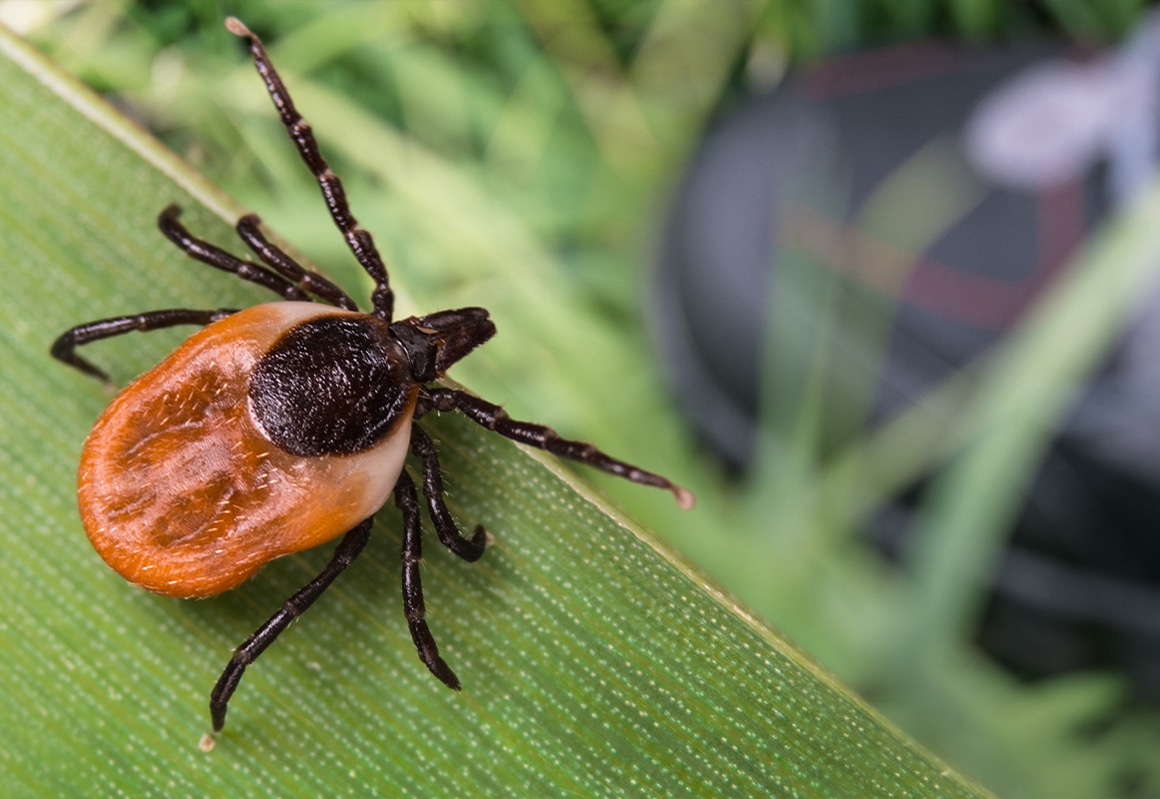
Ticks May Be Closer Than You Think: Protecting Pets in the Carolinas
Most pet owners know to check their dogs for ticks after spending time on hiking trails or exploring wooded areas. What many people don’t realize is that ticks are often found much closer to home.
From neighborhood parks and dog-friendly recreation areas to backyard landscaping and walking paths, ticks are increasingly turning up in places where families and pets spend time every day. Across North Carolina and South Carolina, growing tick populations are creating more opportunities for encounters, making prevention an important part of protecting both pets and people.
Common Outdoor Areas Where Ticks Are Found
When people think of ticks, dense forests and remote trails often come to mind. In reality, ticks can thrive in many suburban and residential environments, including areas right outside your door.
Ticks are frequently found in:
- Tall grass and overgrown vegetation
- Brushy areas along the edges of lawns
- Neighborhood walking paths
- Dog parks
- Community green spaces
- Landscaped areas visited by wildlife
Recent reports show that tick activity remains a growing concern throughout much of the country. Milder winters, earlier spring temperatures, and shifting weather conditions are helping ticks survive longer and remain active in more locations than ever before.
Why Ticks Are Showing Up in Residential Yards
Wildlife is one of the primary reasons ticks spread into neighborhoods. Animals such as deer, rodents, rabbits, and birds can transport ticks into residential areas, where they may establish populations in yards and nearby green spaces.
As a result, pets don’t need to visit the woods to be exposed.
Dogs that spend most of their time in fenced backyards and outdoor cats that roam around the property can still come into contact with ticks on a regular basis.
A Tick Prevention Mistake Many Pet Owners Make
One of the most common misconceptions veterinarians encounter is the belief that indoor pets or pets with limited outdoor activity face little risk from ticks.
Some owners delay preventive treatments until they actually find a tick, while others stop protection during cooler seasons. Unfortunately, waiting until a tick is discovered may leave pets vulnerable to diseases that are much easier to prevent than treat.
Year-round tick prevention helps reduce the likelihood of disease transmission and provides ongoing protection as tick activity fluctuates throughout the year.
How to Safely Remove a Tick From Your Pet
If you find a tick attached to your pet, prompt removal is important.
Using fine-tipped tweezers or a tick removal device:
- Grasp the tick as close to your pet’s skin as possible.
- Pull upward with steady, even pressure.
- Do not twist, jerk, or crush the tick during removal.
- Clean the bite area afterward using soap and water or a pet-safe antiseptic.
Avoid home remedies such as applying petroleum jelly, nail polish, alcohol, or attempting to burn the tick off. These methods are not effective and can increase the risk of complications.
Watch for Symptoms of Tick-Borne Illness
Although not every tick bite results in illness, it’s important to keep a close eye on your pet after exposure.
Contact your veterinarian if you notice symptoms such as:
- Lethargy
- Loss of appetite
- Fever
- Limping
- Joint discomfort
- Vomiting
Some tick-borne diseases may not produce symptoms immediately. In some cases, signs of illness can appear days or even weeks after the bite occurs. Because of this, any unusual changes in your pet’s behavior or health should be taken seriously.
If veterinary care is needed, try to provide details about where the tick was found, where it was attached, and approximately how long it may have been present.
Add Another Layer of Protection With Professional Tick Control from AXCarolinas
Preventive medications play an important role in protecting pets, but reducing tick populations around your property can provide an additional level of defense.
Professional tick control services target the areas where ticks live and reproduce, helping to reduce activity throughout your yard and outdoor living spaces. By addressing ticks at the source, homeowners can create a safer environment for their families and pets.
Anticimex Carolinas offers professional tick control solutions designed to help homeowners throughout North Carolina and South Carolina enjoy their outdoor spaces with greater confidence. Our customized pest management programs target ticks where they hide, helping to reduce populations and lower the risk of exposure.
Don’t let ticks make your yard less enjoyable this season. Contact Anticimex Carolinas today to learn more about our tick control services and comprehensive pest management programs.