






Tick Extermination & Pest Control Services in the Carolinas

Anticimex Carolinas is widely recognized for comprehensive tick control and overall pest management in North Carolina and South Carolina. Though small, ticks can cause serious problems for pets and humans alike. These pests can carry serious diseases that can spread when they find and attach to a host. Known to live in wooded areas and tall grasses, ticks can attach to your skin and start feeding without you even noticing. A reliable tick exterminator can help protect you and your loved ones from these pests.
Get a Free Pest Control Quote
What Are Ticks?
Ticks are parasitic arachnids that feed on the blood of humans and animals. They attach by inserting specialized mouthparts into the skin and can remain attached for several days while feeding.
Some tick species may remain attached for 3-10 days before dropping off to continue their life cycle. Because they feed slowly and often painlessly, many people don’t realize they’ve been bitten.
Ticks hide out in tall grasses, bushes, and trees with their front legs extended until a warm-blooded host walks by, even if this takes months. It can take several hours for a tick to fully attach to its host, feed, and then become engorged with blood before falling off.
How to Identify Ticks
Ticks are common everywhere, from forests and gardens to lawns, parks, landscaping, brush, and weedy patches in urban areas. A little-known fact is that ticks are arachnids, like spiders, but are often mistaken for insects.
- Larval ticks have 6 legs, while adults have 8 legs
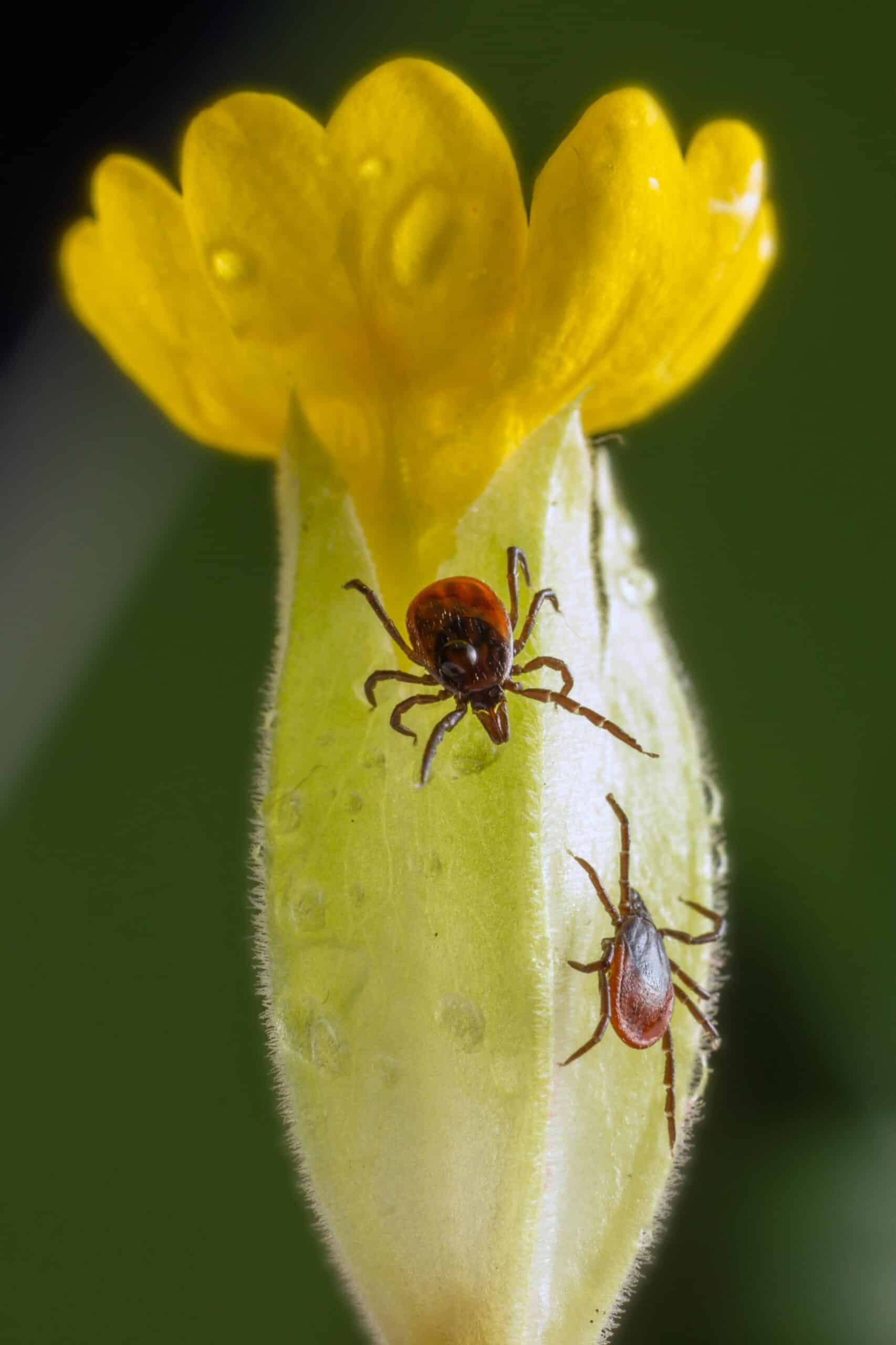
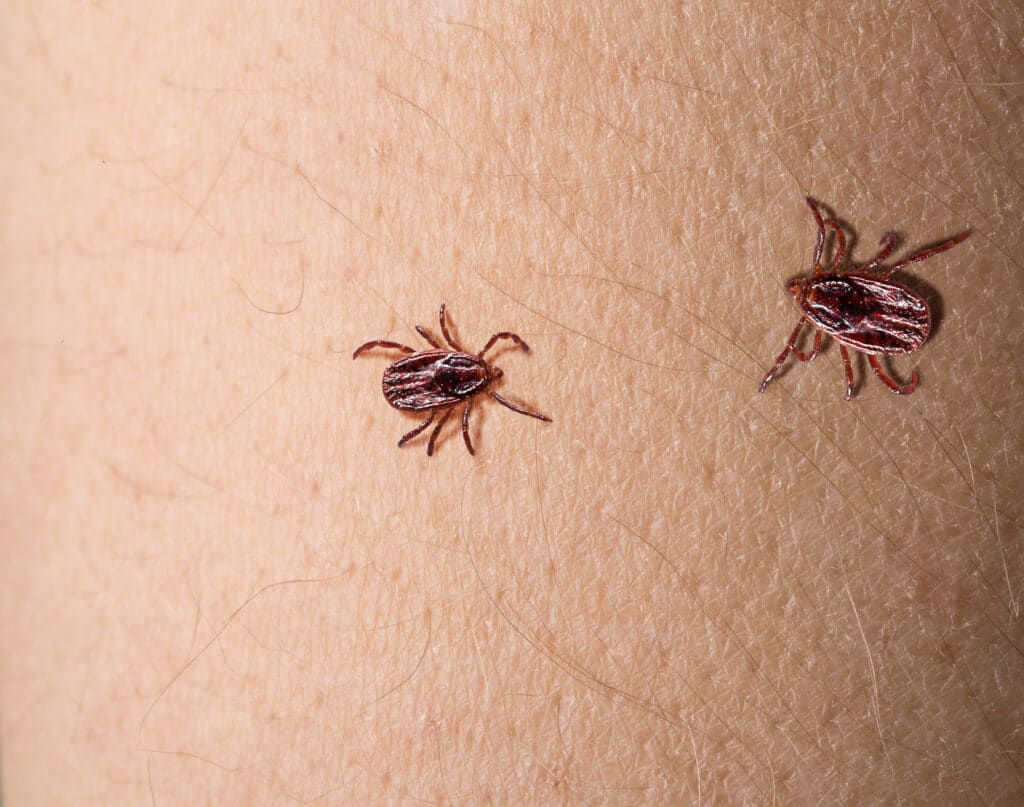
- They are typically flat, oval-shaped, and brown before feeding
- They become larger, rounder, and grayish when engorged
Ticks are common everywhere, from forests and gardens to lawns, parks, landscaping, brush, and weedy patches in urban areas. A little-known fact is that ticks are arachnids, like spiders, but are often mistaken for insects.
Tick Species Found in the Carolinas
Four common tick species of concern in the Carolinas include:
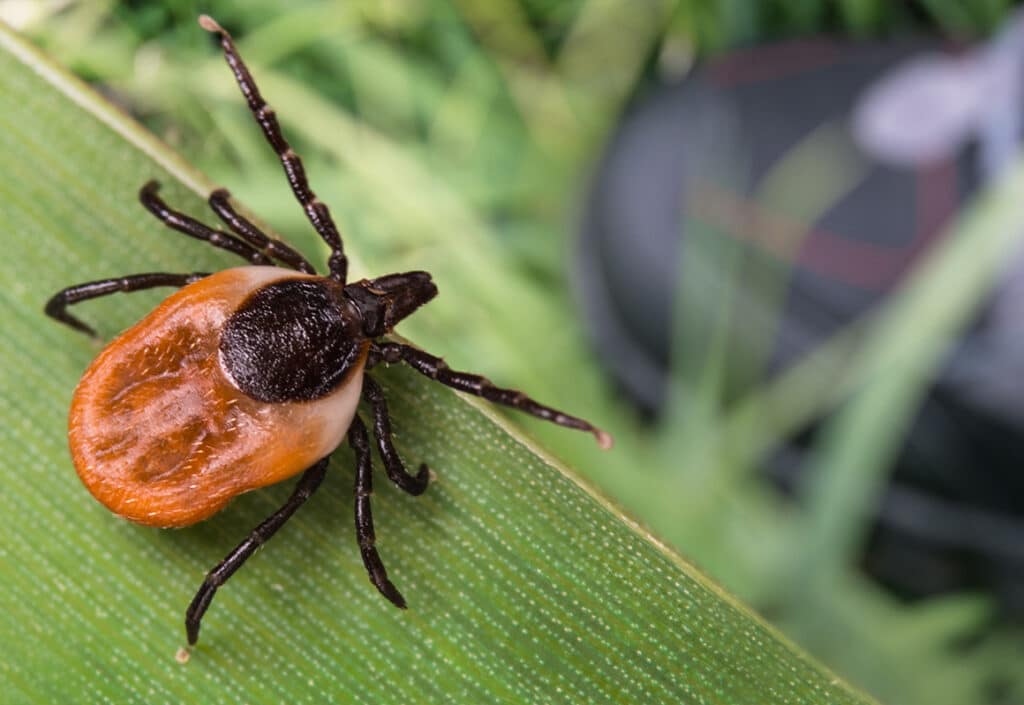
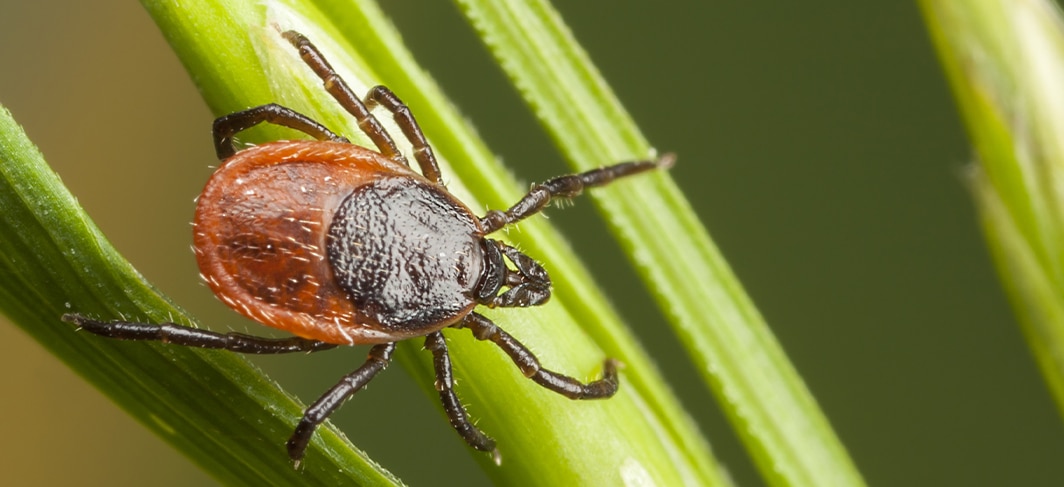
Black-Legged Ticks, also known as deer ticks, can transmit Lyme disease, anaplasmosis, and babesiosis to humans and pets. Lyme disease can cause fever, rash, and arthritis. Anaplasmosis primarily sickens cattle, sheep, and dogs, but humans can also be infected. Symptoms of this disease resemble those of the flu and include fever, muscle aches, and fatigue. Babesiosis causes similar symptoms but may be fatal to the elderly and people with compromised immune systems.
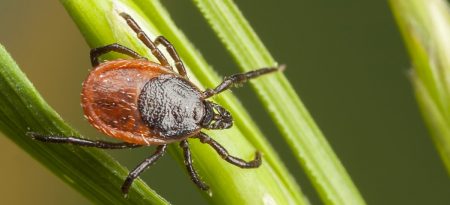
American Dog Ticks can transmit Rocky Mountain Spotted Fever to humans and animals. Signs of RMSF include fever, headache, muscle aches, and a spotted rash that initially appears on the wrists and ankles and can spread to other parts of the body.
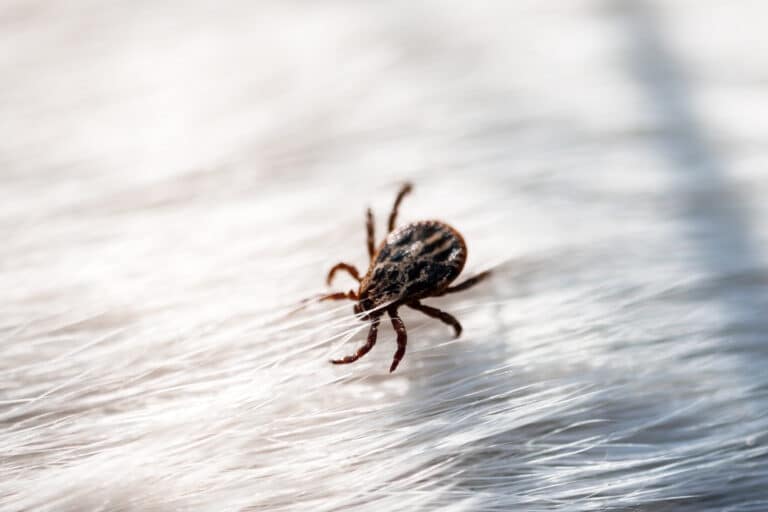
Brown Dog Ticks have adapted to living and reproducing indoors. Dogs staying in kennels are particularly vulnerable to Brown Dog ticks. Diseases transmitted by this tick species include canine ehrlichiosis and canine babesiosis.
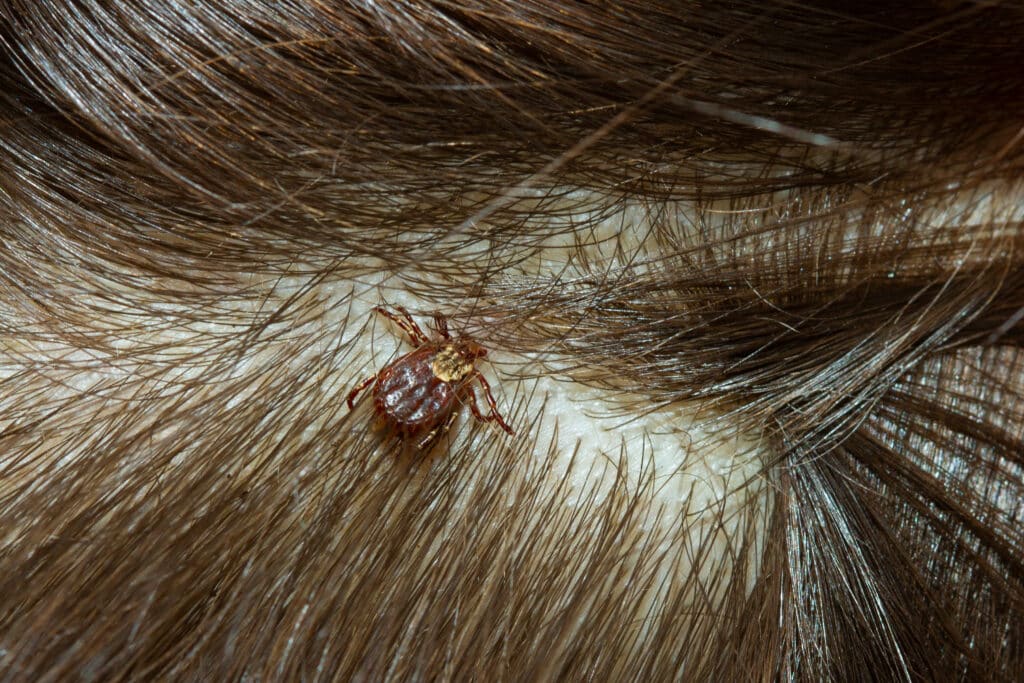
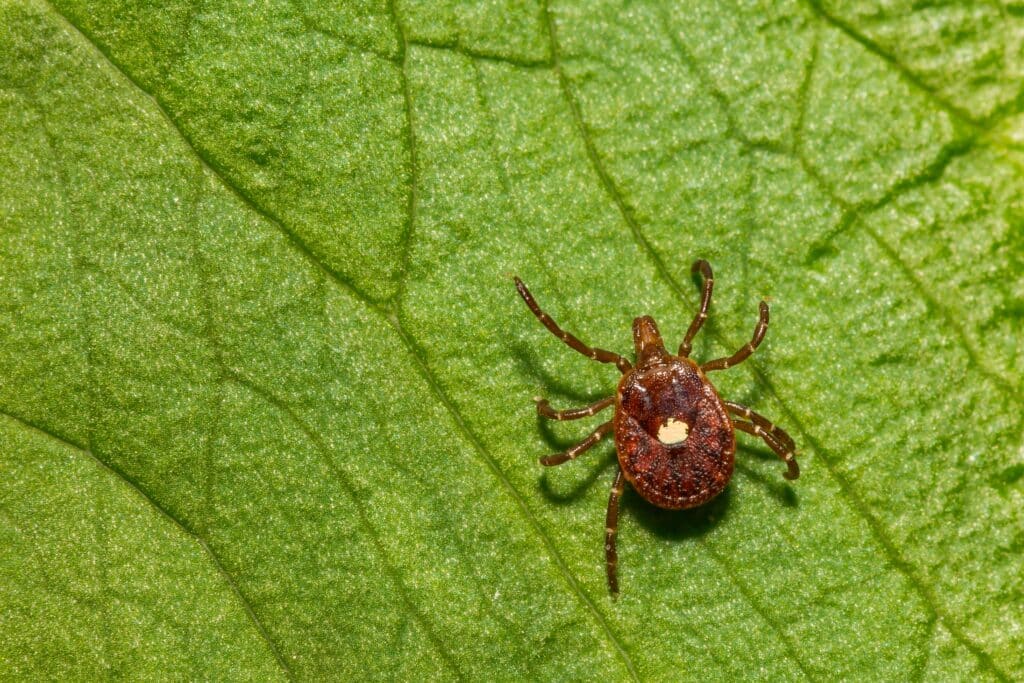
Lone Star Ticks are common in eastern, south-central, and southwestern U.S. They are another reddish-brown tick. Females have a white spot on their back, and males have white streaks or spots along the edges. Lone star tick bites are associated with the development of alpha-gal syndrome, which causes hives, severe stomach issues, and anaphylaxis, typically 2-6 hours after eating beef, pork, or lamb.
Why Are Ticks Dangerous?
Ticks can carry disease, and instances of tick-borne illnesses are increasing. Common tick-borne diseases include:
- Lyme Disease
- Rocky Mountain Spotted Fever
- Anaplasmosis
- Babesiosis
- Tularemia
- Alpha-Gal Syndrome
A common sign of a tick bite is a rash, especially the bull’s-eye rash associated with Lyme disease. However, not all tick bites or tick-borne illnesses show symptoms. Always contact a healthcare provider if you develop fever, rash, or other concerning symptoms after a tick bite.
Remember to remain vigilant about preventing bites to lower your risk of complications from hidden infections.
Are Tick-Borne Diseases Treatable?
Yes, tick-borne diseases are generally treatable when diagnosed early after symptom onset. The primary treatment for most tick-borne infections is antibiotics like doxycycline, amoxicillin, and cefuroxime axetil. In some cases, humans and pets may experience lingering symptoms or complications, depending on the type and severity of the disease they contracted from an infected tick.
How to Remove A Tick
Never squeeze a tick! Crushing or squishing a tick may cause it to inject bacteria into your body.
- Brush hair or fur away from the area to get a clear view of the tick.
- Use tweezers to grasp the tick’s head right at the skin and pull it out in an upward, steady motion without twisting. Try to only touch the head, not the body, and avoid squeezing.
- Dispose of the tick safely by placing it in alcohol, in a sealed container, or by flushing it down the toilet.
- Clean the bite area with rubbing alcohol or soap and water. Wash your hands thoroughly.
- Observe the person or pet closely for any signs of infection. These usually present within four weeks.
Following these tick removal guidelines can help reduce the risk of contracting an illness from a disease-carrying tick.
How Can I Prevent Ticks?
Simple preventative actions can reduce the risk of tick bites.
On Pets
Pets often get ticks from playing outside and can bring them indoors on their fur. Ask your vet about appropriate tick control for your pet. Oral medications, topical applications, and tick collars can help, but can’t stop ticks entirely. Conduct a tick check on your pet to keep them healthy and avoid unwanted hitchhikers.
On Your Property
Ticks love warm, humid environments and shady areas with overgrown vegetation. They can’t jump, so they rely on climbing to search for hosts. Some high-risk areas where ticks like to hang out include plant overgrowth, such as grasses, bushes, and leaf litter. Keeping your lawn mowed, shrubs trimmed, and debris cleared away can reduce the number of tempting hiding spots for ticks.
Since ticks often hitchhike onto your property on small animals, other areas that require attention are fences where animals may linger when blocked from further entrance, garbage receptacles, and firewood piles. Ticks generally steer clear of artificial surfaces, so using gravel and wood chips as barriers can help keep them away.
On Yourself and On Kids
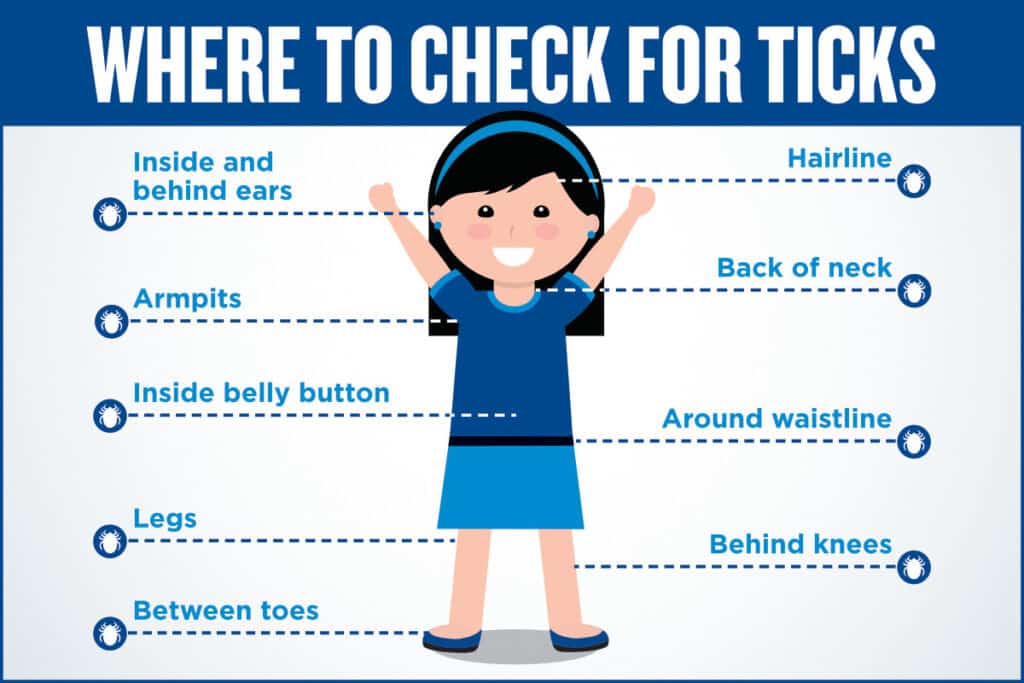
When you go outside in forested areas, parks, or other areas known for ticks, cover your skin with long sleeves, long pants, socks, and closed-toe shoes to minimize your risk of getting a tick bite. Perform a tick check afterward by examining your clothing and skin. Run your fingers over your scalp to check for small bumps that may indicate a tick.
Use tick-specific insect repellants on your clothing and exposed skin. DEET (an active ingredient in many insect repellents) and picardin (an odorless synthetic ingredient) are effective at repelling ticks. EPA-registered repellents containing oil of lemon eucalyptus can also help repel ticks when used according to label directions.
Hire a Tick Exterminator
While these measures can go a long way, hiring a tick exterminator is another reliable way to protect you and your loved ones. Our targeted solutions help reduce tick populations around your property, so you can focus on what really matters and enjoy greater peace of mind while spending time outdoors.
Tick Control Tips for Your Property
This diagram outlines each area of your property where tick control should be focused, via a publication by the National Pest Management Association (NPMA):
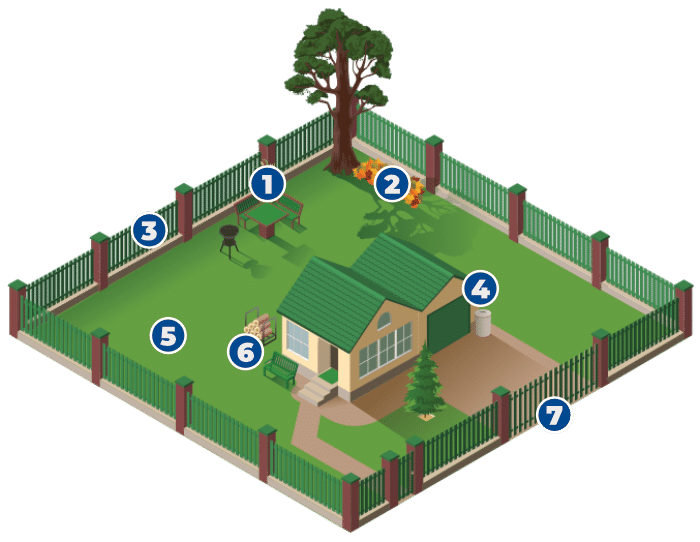
1. Overgrown Vegetation
Plant overgrowth at the edge of your property can make convenient entry points to your yard. Make sure to keep your edge growth trimmed.
2. Leaf-Litter
Ticks are tiny pests and often difficult to see, which is why you should eliminate leaf piles, as they make convenient hiding places.
3. Fencing
While ticks are small with tiny legs, wild animals like raccoons or deer allow them to travel much farther. Fences prevent animal incursions.
4. Prevent Littering
Keeping your garbage in a sealed garbage can with a lid is essential to prevent tick-carrying animals from coming to your yard.
5. Grass
Ticks like to hunt by hiding on long blades of grass. Keeping your yard well-trimmed will make it much harder for them to find their prey.
6. Wood Storage
Tiny pests like rodents can hide in firewood piles. Keep your firewood on an elevated surface to prevent nesting by tick-carrying pests.
7. Wood Chips & Gravel
Ticks prefer to travel on the grass and dislike artificial surfaces. Gravel and wood chips make excellent artificial barriers for your yard and greenery.
Schedule Your Tick Treatment Session with AX Carolinas Today
Many people associate ticks with forests, hiking trails, and other remote outdoor environments. However, ticks can survive nearly anywhere outdoors. Passing animals and overgrown foliage can both bring ticks into your space. They also frequently find their way indoors by latching onto a pet or clothing.
The ideal way to protect your home or business is with professional tick control from Anticimex Carolinas. We use the latest technology and targeted treatment strategies to help reduce tick populations around your property, so you can relax and enjoy being outside. Contact us today to learn more and to schedule a free quote.
Frequently Asked Questions
How should I prepare my yard for tick treatment?
Before treatment, mow the areas to be treated and rake up excess debris. Remove toys, pet bowls, and other items that could interfere with treatment, and keep people and pets out of the treatment area. Do not water the yard before your scheduled treatment.
When can people and pets return to the yard after tick treatment?
People and pets should remain out of treated areas until the treatment has completely dried. Drying time can vary depending on weather and site conditions, so follow the instructions provided by your technician before reentering treated areas.
Can I water my lawn after a tick treatment?
Avoid irrigation or watering treated areas for two days following treatment to allow the application to remain in place and provide the intended control.
How long does it take for a tick to transmit disease?
The time it takes for a tick to transmit disease varies depending on the type of tick and the pathogen it may be carrying. Some tick-borne diseases can be transmitted more quickly than others. For Lyme disease, the risk of transmission generally increases the longer an infected tick remains attached. Because transmission times vary, it’s important to remove an attached tick as soon as possible to help reduce the risk of infection.
Why is yard preparation important before a tick treatment?
Proper yard preparation helps technicians access and thoroughly treat areas where ticks may be present. Keeping grass mowed, removing excess debris, and clearing toys and other objects from treatment areas helps ensure the property is ready for treatment.